Petroleum coke powder conveying lines are critical components in industrial processes, particularly in facilities that handle bulk materials like petroleum coke. These systems are designed to efficiently transport fine powder materials over long distances or within complex production environments. Understanding the principle and working scene characteristics of such lines is essential for optimizing material handling operations and ensuring operational efficiency.
The Working Principle of Petroleum Coke Powder Conveying Systems
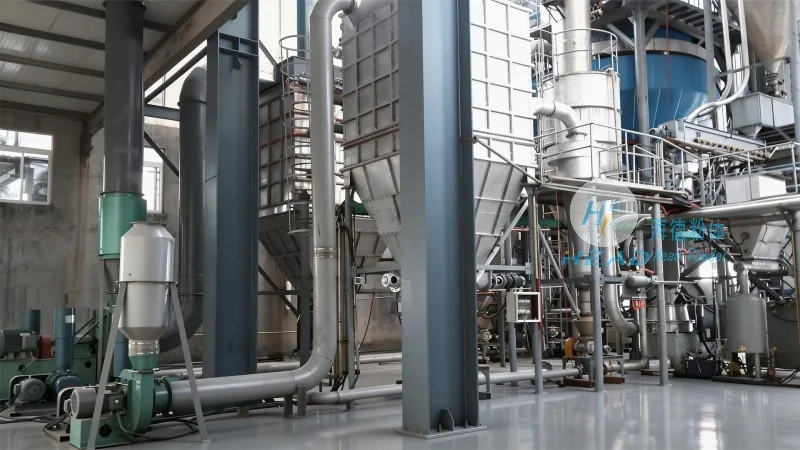
At the core of petroleum coke powder conveying lines is a combination of mechanical and pneumatic technologies tailored to the unique properties of coke powder. The primary mechanism involves the use of conveyor belts, screw conveyors, or pneumatic ducts to move the fine particles. For petroleum coke, which is typically abrasive and has a high density, specialized equipment is required to prevent wear and ensure consistent flow. The system often includes components such as feed hoppers, rotary valves, and dust collection units to maintain material integrity and control environmental emissions. The principle revolves around creating a controlled flow of powder, minimizing segregation and loss, and adapting to the varying characteristics of the material, such as moisture content and particle size distribution.
Key Working Scene Characteristics
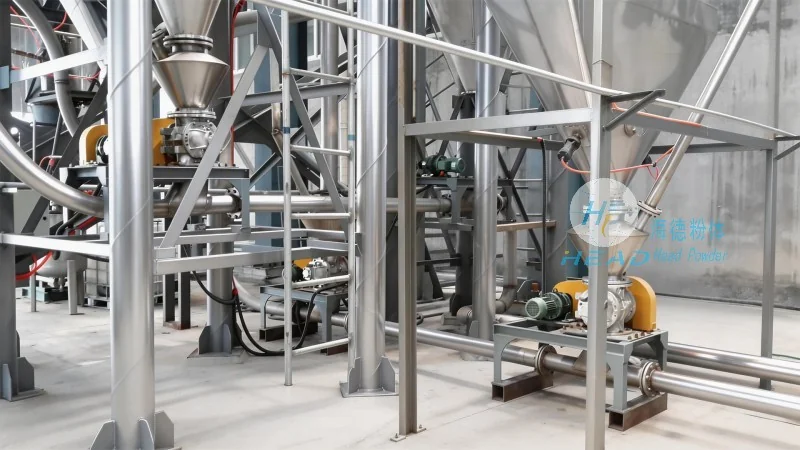
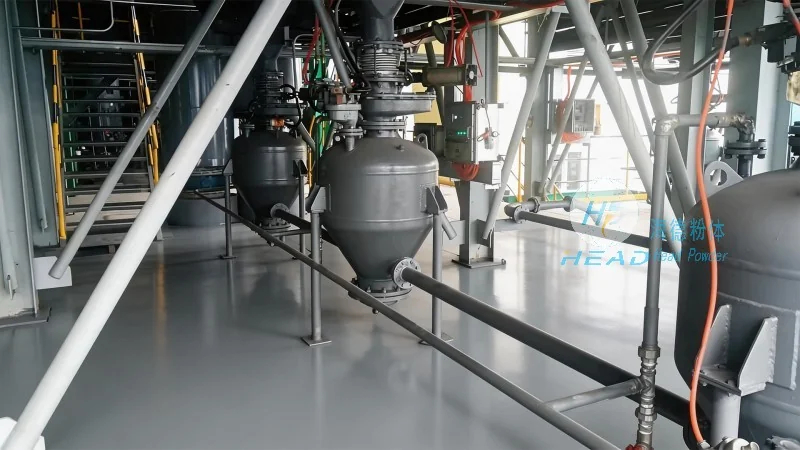
The working scene characteristics of petroleum coke powder conveying lines vary significantly based on the industrial application and the scale of the operation. In power plants, for example, these lines are used to transport coke from storage silos to the boiler or gasifier, where it serves as a fuel source. The environment in such settings is often characterized by high temperatures, dust, and the need for continuous operation. The conveying systems must be robust enough to withstand these conditions while maintaining low maintenance costs. In petrochemical plants, the lines may be part of a larger material handling network, transporting coke to reactors or other processing units. Here, the focus is on precision and reliability, as any disruption can impact downstream processes. Additionally, the working scene may involve multiple stages of conveying, such as primary and secondary transport, with intermediate storage or blending points. The design of the line must account for these stages to ensure smooth material flow and minimize bottlenecks.
Company Overview: Shandong HeadPowder Engineering Co., Ltd.
Shandong HeadPowder Engineering Co., Ltd., commonly known as headpowder, is a leading provider of specialized material handling solutions, including petroleum coke powder conveying lines. With a strong presence in China, particularly in Shandong province, the company has established itself as a trusted partner for industries requiring efficient and reliable bulk material transport. The company's expertise lies in designing and manufacturing systems that cater to the specific challenges of handling abrasive and fine materials like petroleum coke. By leveraging advanced engineering and materials science, headpowder ensures that its conveying lines are durable, energy-efficient, and compliant with industry standards. The company's commitment to quality and customer satisfaction is reflected in its comprehensive after-sales support and continuous innovation in material handling technologies.
Address and Contact Information
Shandong HeadPowder Engineering Co., Ltd. is located in Shandong, China. The company's physical address is in the industrial zone of Shandong, providing easy access for clients and partners. This location allows the company to serve a wide range of industrial clients across the region, from power plants to petrochemical facilities. The company's operational base in Shandong is equipped with state-of-the-art manufacturing facilities and technical support teams, ensuring that clients receive timely and effective solutions for their material handling needs.




