When it comes to the efficient handling and transportation of sodium bicarbonate, specialized conveying systems play a crucial role in ensuring smooth operations across various industrial applications. This article delves into the fundamental principles behind sodium bicarbonate material conveying lines, alongside an exploration of the key characteristics that define their performance in different working environments.
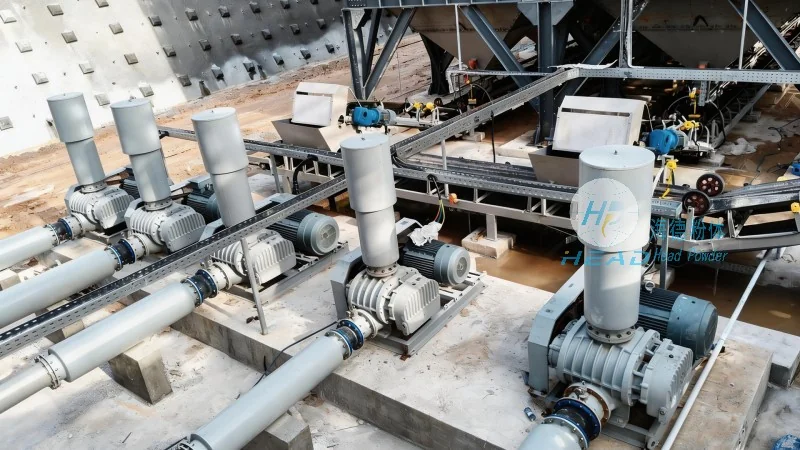
Understanding the Core Principles of Sodium Bicarbonate Conveying Systems
The operation of sodium bicarbonate material conveying lines is built upon a combination of mechanical engineering principles and material handling expertise. At the heart of these systems lies the ability to transport sodium bicarbonate, a common chemical compound used in food processing, pharmaceuticals, and industrial applications, with precision and reliability. The design of such conveying lines typically incorporates components like feeders, conveyors, and control mechanisms that work in tandem to ensure consistent material flow. For instance, the use of screw conveyors or pneumatic systems may be employed depending on the specific characteristics of the sodium bicarbonate, such as its bulk density and flowability. The control systems, often integrated with sensors and automation technology, enable real-time monitoring and adjustment of the conveying process, optimizing efficiency and minimizing downtime. This integrated approach ensures that the sodium bicarbonate is transported safely and effectively from storage to processing units or packaging areas.
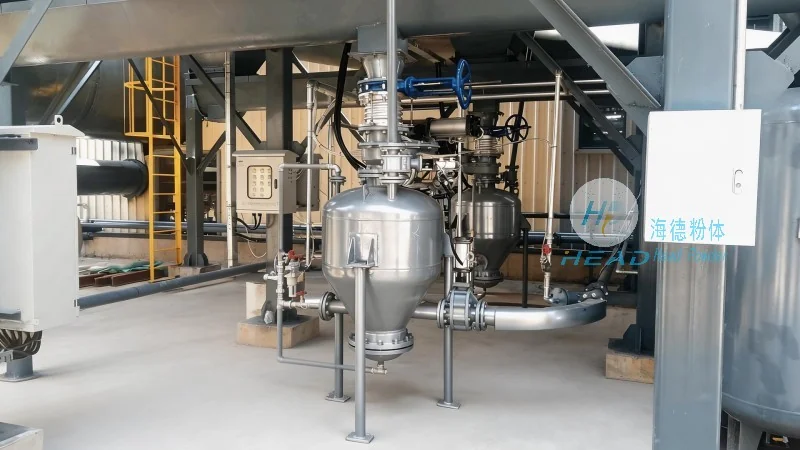
Key Working Scene Characteristics of Sodium Bicarbonate Conveying Lines
The effectiveness of sodium bicarbonate material conveying lines is heavily influenced by the working environment in which they operate. Different industrial settings present unique challenges and requirements that necessitate tailored solutions. In food processing facilities, for example, the conveying systems must adhere to strict hygiene standards, often featuring stainless steel construction and easy-to-clean components. The design may also incorporate dust suppression measures to maintain air quality and prevent contamination. In contrast, in chemical manufacturing plants, the systems may need to handle higher volumes and varying particle sizes, requiring robust materials of construction and advanced control algorithms to maintain consistent flow rates. The working scene characteristics also extend to the scale of operations, with some applications involving large-scale production lines that demand high-capacity conveying solutions, while others may involve smaller, more localized systems for laboratory or batch processing. Additionally, the environmental conditions, such as temperature and humidity, can impact the performance of the conveying line, necessitating materials and components that are resistant to corrosion and moisture. By understanding these working scene characteristics, manufacturers can select the most appropriate conveying line design to meet the specific demands of their sodium bicarbonate handling processes.
About Shandong HeadPowder Engineering Co., Ltd.
Headpowder, or Shandong HeadPowder Engineering Co., Ltd., is a leading provider of specialized material handling solutions, including sodium bicarbonate conveying lines. With a strong focus on engineering excellence and customer satisfaction, the company has established itself as a trusted partner in the industry. Headquartered in Shandong, China, the company leverages its expertise in mechanical design, automation, and material science to deliver high-quality conveying systems tailored to the unique needs of its clients. The company's commitment to innovation and quality ensures that its products meet the highest standards of performance and reliability, making them suitable for a wide range of industrial applications. By combining advanced technology with practical engineering solutions, Headpowder helps businesses enhance their operational efficiency and productivity in the handling of sodium bicarbonate and other bulk materials.




