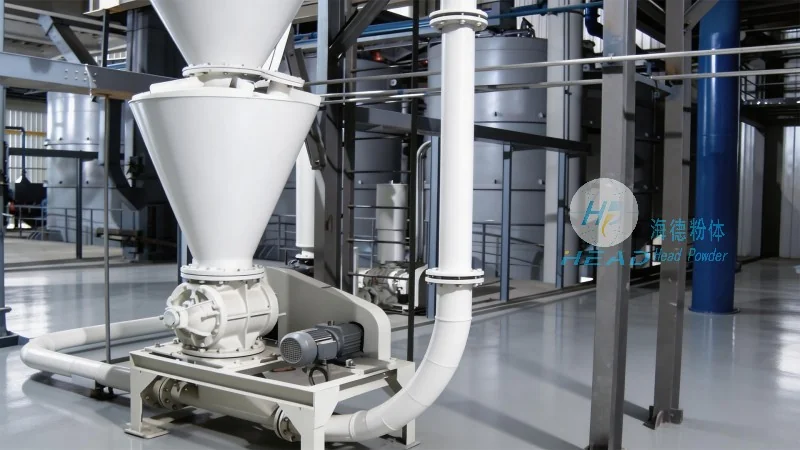
PTFE (Polytetrafluoroethylene) pneumatic conveying lines are advanced industrial systems designed for the efficient and reliable transport of powders and granules. These systems utilize air or gas as the conveying medium to move materials from one location to another, offering a flexible and often cleaner alternative to traditional mechanical conveying methods. The technology is widely adopted in various industries, including chemical, pharmaceutical, food processing, and manufacturing, due to its ability to handle a broad range of materials with minimal product degradation and contamination.
Introduction to PTFE Pneumatic Conveying Systems
At Shandong HeadPowder Engineering Co., Ltd., we specialize in the design, manufacturing, and installation of high-quality PTFE pneumatic conveying lines. Our expertise lies in creating customized solutions that meet the specific needs of our clients, ensuring optimal performance and durability. The PTFE material used in our systems provides exceptional chemical resistance, thermal stability, and non-stick properties, making it ideal for handling sensitive or aggressive materials. This section will explore the key components, operation process, and working principles of our PTFE pneumatic conveying lines.
Key Components of PTFE Pneumatic Conveying Lines
PTFE pneumatic conveying lines typically consist of several essential components that work in tandem to achieve efficient material transport. These components include:
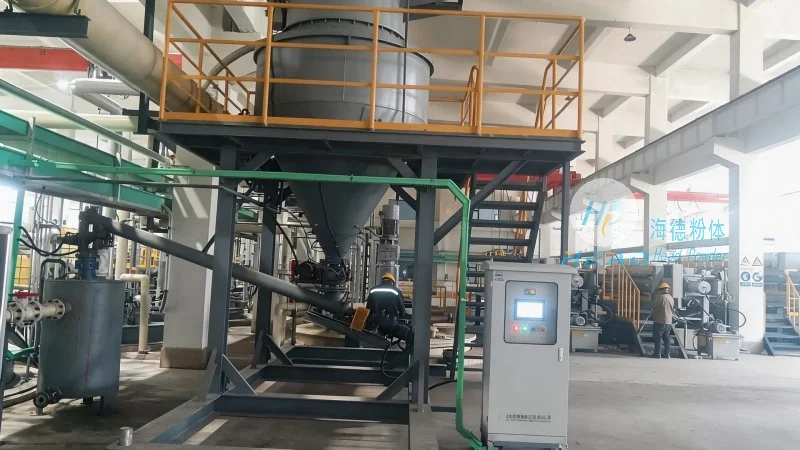
- Conveying Hoses or Tubing: The primary conduits through which the material and air travel. PTFE hoses are chosen for their excellent resistance to chemicals, high temperatures, and abrasion, ensuring long service life and maintaining product integrity.
- Air Compressors: Provide the necessary pressure and airflow to move the material through the system. The choice of compressor depends on the material's properties, such as density and particle size, as well as the required conveying distance and capacity.
- Feeders: Devices that introduce the material into the conveying line at a controlled rate. Proper feeding is crucial to prevent blockages and ensure consistent flow. Our systems use advanced feeder designs that adapt to different material characteristics.
- Separators and Filters: Used to separate the material from the air stream and collect any fines or dust. This component is vital for maintaining a clean system and preventing material loss or contamination.
- Control Valves and Regulators: Manage the air pressure and flow rate, allowing for precise control over the conveying process. These components help optimize energy consumption and system performance.
The Operation Process of PTFE Pneumatic Conveying Lines
The operation of a PTFE pneumatic conveying line involves several sequential steps that ensure smooth and efficient material transport. The process typically begins with the material being fed into the system at a controlled rate. Simultaneously, the air compressor generates the required airflow, which is then directed into the conveying line. As the material enters the line, it is entrained by the air stream and carried to the destination point. The material is then separated from the air in the separator, where it is collected for further processing or storage. The air, now free of material, is either vented to the atmosphere or recycled back into the system, depending on the design and requirements.
Working Principles of PTFE Pneumatic Conveying Lines
The working principle of PTFE pneumatic conveying lines is based on the fundamental concept of fluidization and pneumatic transport. When air is introduced into the conveying line at a sufficient velocity, it creates a fluidized state within the material bed, allowing the particles to be suspended and carried by the air stream. The key factors influencing the conveying performance include the air velocity, material properties (such as particle size, density, and moisture content), and the system design (including pipe diameter and length). PTFE's non-stick and low friction properties further enhance the conveying efficiency by reducing material buildup and ensuring smooth flow.
Advantages of PTFE Pneumatic Conveying Lines
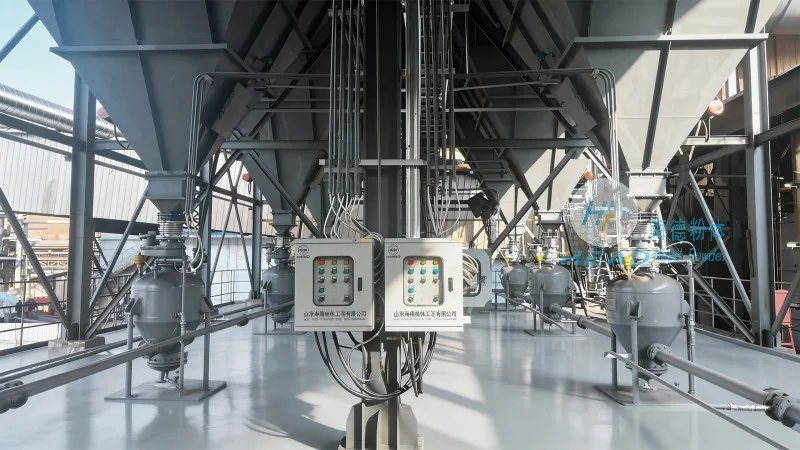
PTFE pneumatic conveying lines offer numerous advantages over traditional conveying methods. These include:
- Chemical Resistance: PTFE is highly resistant to a wide range of chemicals, making it suitable for handling aggressive or corrosive materials without degradation.
- Thermal Stability: The material can withstand high temperatures, allowing for the transport of materials at elevated temperatures without affecting the system's performance.
- Non-Stick Properties: PTFE's low surface energy prevents material adhesion, reducing the risk of blockages and ensuring consistent flow.
- Low Maintenance: The smooth interior surface of PTFE hoses and components minimizes wear and tear, leading to lower maintenance costs and longer service life.
- Flexibility: PTFE hoses can be easily bent and configured to fit various layouts, providing flexibility in system design and installation.
Applications of PTFE Pneumatic Conveying Lines
PTFE pneumatic conveying lines are used in a variety of industrial applications where efficient and clean material transport is critical. Some common applications include:
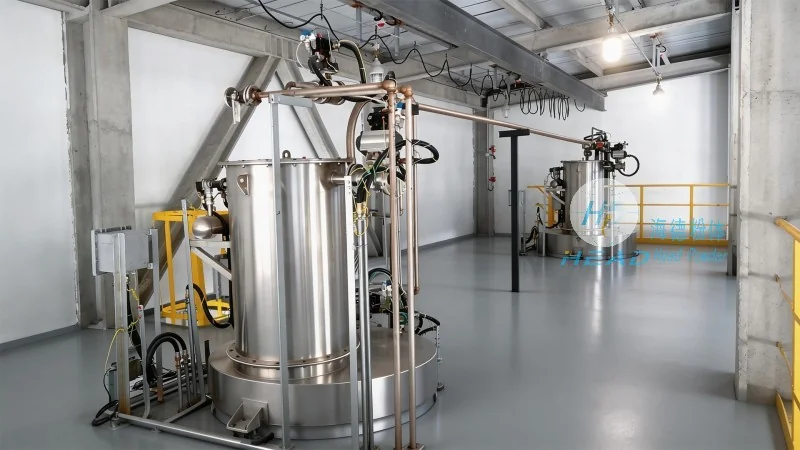
- Pharmaceutical Industry: Transporting sensitive powders and granules that require strict contamination control.
- Food Processing: Handling food-grade powders and ingredients, ensuring compliance with hygiene and safety standards.
- Chemical Manufacturing: Conveying corrosive or reactive materials that need to be protected from external factors.
- Manufacturing and Production: Moving raw materials and finished products between processing stages with minimal downtime.
Customization and Installation Services
At Shandong HeadPowder Engineering Co., Ltd., we understand that each industrial application has unique requirements. Therefore, we offer comprehensive customization and installation services tailored to our clients' needs. Our team of experts works closely with clients to design and implement PTFE pneumatic conveying lines that are optimized for their specific processes. We ensure that all components are properly installed and tested to meet the highest standards of performance and safety.
Conclusion
PTFE pneumatic conveying lines are a reliable and efficient solution for material transport in various industrial sectors. With their advanced design, high-quality PTFE components, and expert installation services, Shandong HeadPowder Engineering Co., Ltd. provides superior solutions that meet the demands of modern industry. By understanding the operation process and working principles of these systems, businesses can optimize their material handling processes, reduce costs, and improve overall productivity.




