For companies in the lithium battery industry, the efficient handling of mineral powders is a critical aspect of production. Pneumatic conveying lines offer a reliable solution for transporting these powders with high precision and minimal contamination. This article explores the operation process and working principles of such systems, providing insights into how they function and the key components involved.
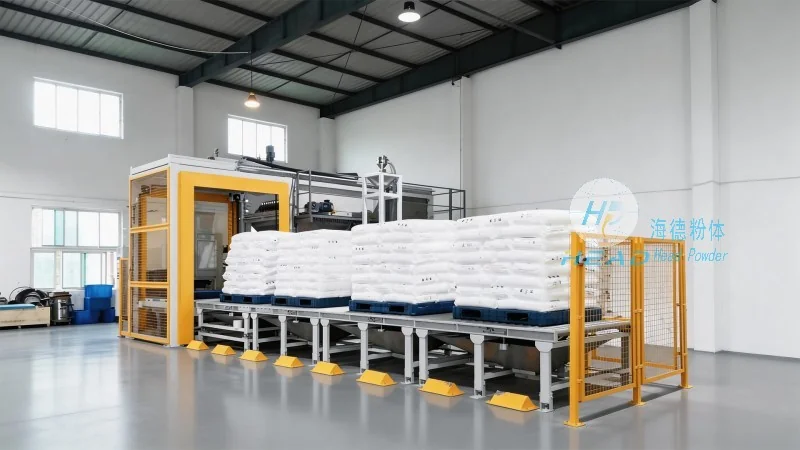
About HeadPowder: A Leading Engineering Firm
HeadPowder, or Shandong HeadPowder Engineering Co., Ltd., is a professional engineering company based in Shandong, China. With years of experience in the field of powder handling and material transportation, the company specializes in designing and manufacturing customized pneumatic conveying systems tailored to the specific needs of the lithium battery sector. Their expertise ensures that clients receive equipment that is not only efficient but also durable and cost-effective.
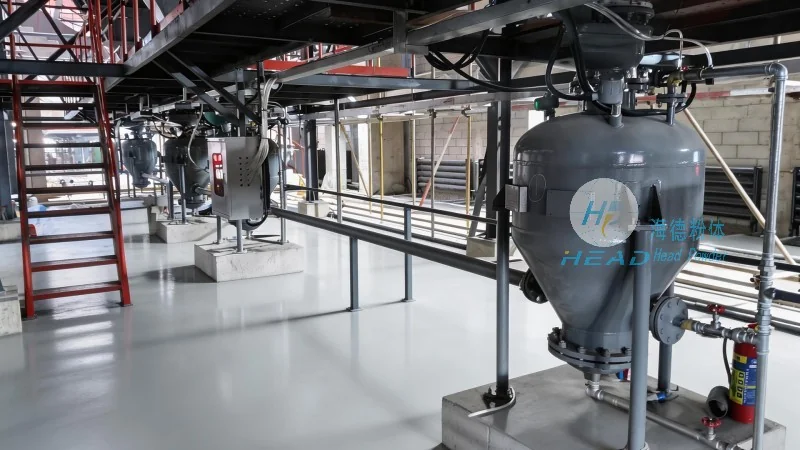
Key Components of a Pneumatic Conveying Line
The pneumatic conveying system for lithium battery mineral powders typically consists of several core components. The first is the material feeder, which is responsible for feeding the powder into the system at a controlled rate. This component is crucial for maintaining a consistent flow of material, preventing blockages and ensuring smooth operation. Next, the conveying line itself, which can be either a positive pressure or negative pressure system. Positive pressure systems use a blower to push air and material through the pipeline, while negative pressure systems use a vacuum to draw material into the line. The choice between these two depends on factors such as the distance to be covered and the nature of the powder.
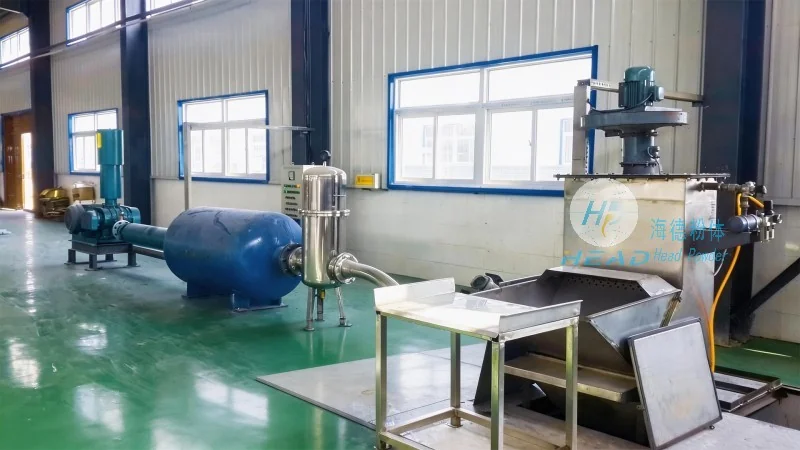
The Operation Process: Step-by-Step
The operation of a lithium-ion battery mineral powder pneumatic conveying line follows a systematic process. Initially, the mineral powder is loaded into the hopper or storage silo. From there, it is transferred to the material feeder, which regulates the flow and sends it into the conveying line. The feeder is connected to the main pipeline, which transports the powder to the destination point, such as a mixing or processing unit. Along the way, the system may include components like cyclone separators or filters to separate any excess air from the powder and ensure that the material is delivered in a dry and clean state. At the receiving end, a discharge valve or hopper is used to collect the powder, completing the cycle.
Working Principle: How It All Comes Together
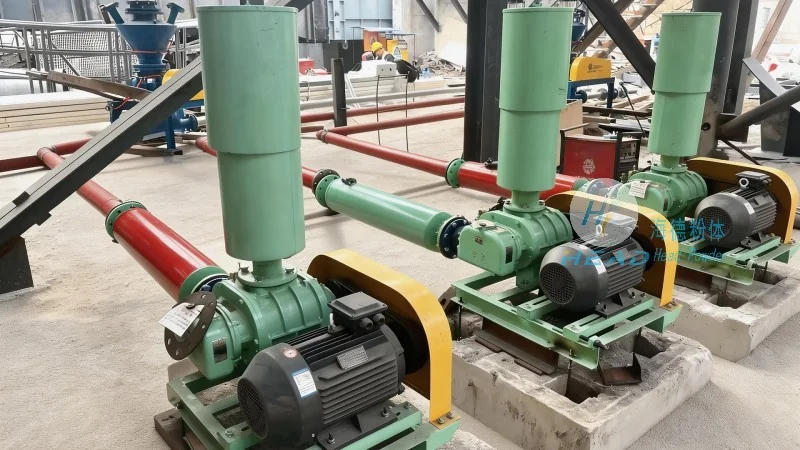
The working principle of a pneumatic conveying line is based on the interaction between the powder particles and the air stream. In a positive pressure system, a blower generates a high-pressure air flow that carries the powder particles through the pipeline. The air velocity is maintained above the minimum fluidization velocity of the powder, which prevents the particles from settling and ensures continuous transport. The pressure drop along the pipeline is carefully managed to avoid excessive energy consumption and to maintain the flow rate. In a negative pressure system, a vacuum pump creates a low-pressure environment that draws the powder into the line. The air flow is controlled to ensure that the powder is not entrained in a way that causes degradation or loss of quality. The separation process at the end of the line is essential to recover the powder and return the air to the system, completing the cycle efficiently.
Benefits and Applications in the Lithium Battery Industry
Pneumatic conveying lines offer several advantages for the lithium battery industry. They provide a dust-free and hygienic method of transporting mineral powders, which is critical for maintaining product quality and meeting regulatory standards. The system is also flexible, allowing for changes in production volume and the ability to transport different types of powders without major modifications. Additionally, the equipment is compact and can be integrated into existing production lines, reducing the need for additional space and infrastructure. These benefits make pneumatic conveying an ideal solution for companies looking to optimize their mineral powder handling processes and improve overall efficiency.




