HeadPowder, a leading manufacturer based in Shandong, China, specializes in the design and production of advanced pneumatic conveying systems tailored for the handling of powdered seasonings. These systems are engineered to efficiently transport bulk powders like spices, herbs, and other flavoring ingredients with precision and reliability. The following sections will detail the operational process and underlying principles of such equipment, providing a comprehensive understanding for potential users and industry professionals.
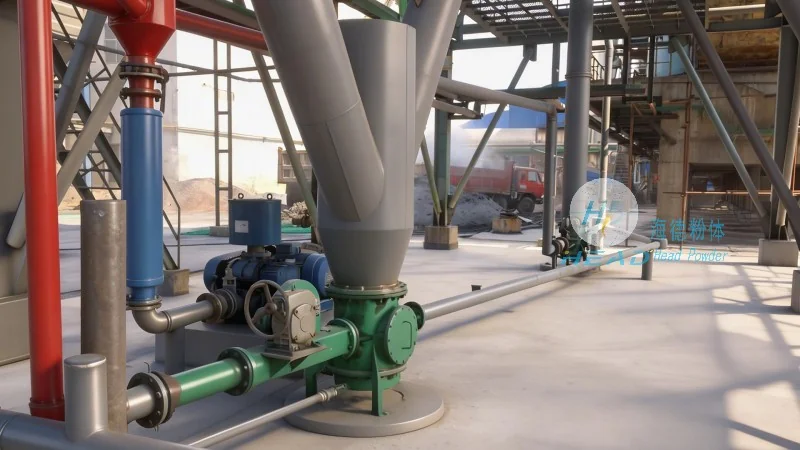
Overview of Seasoning Powder Pneumatic Conveying Systems
Seasoning powder pneumatic conveying machines are sophisticated devices that utilize air pressure to move dry, fine powders from one location to another. Unlike traditional mechanical conveyors, these systems offer advantages such as minimal product contamination, reduced risk of dust explosions, and the ability to handle materials with high moisture content or sensitive properties. The design typically incorporates components like a hopper, airlock, conveying line, and a receiver, all working in tandem to ensure smooth material flow.
The Operational Process: Step-by-Step Breakdown
The operation of a seasoning powder pneumatic conveying system involves several key stages, each critical to the efficient transfer of the product. The process begins with the loading of the seasoning powder into the hopper, where the material is stored under controlled conditions to prevent caking or agglomeration. Once the hopper is filled, the airlock mechanism is activated to allow a controlled amount of powder to enter the conveying line. Simultaneously, a fan or blower generates the necessary air pressure to propel the powder through the pipeline. The powder is carried by the air stream, moving from the hopper to the receiver or processing unit. At the receiving end, the air is separated from the powder, often through a cyclone or filter, and the powder is collected in the designated container. The air is then discharged, completing the cycle.
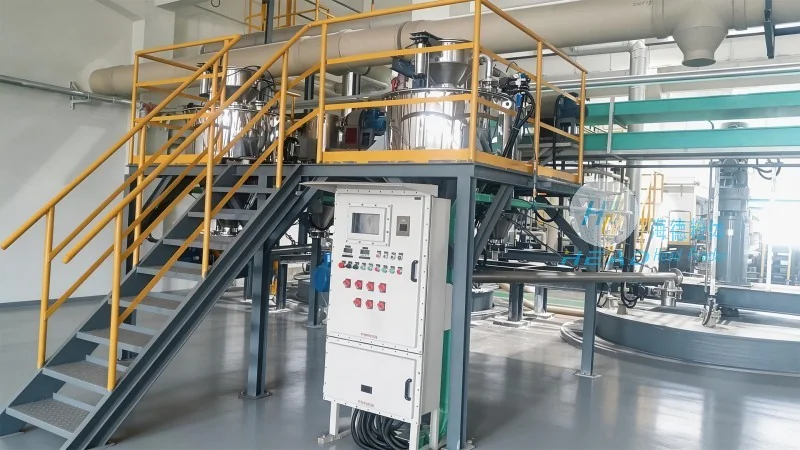
Working Principle: How Pneumatic Conveying Works
The core principle behind pneumatic conveying is the use of compressed air to create a flow that transports the powder. The system operates on the principle of fluidization, where the air velocity is sufficient to suspend the powder particles in the air stream. This creates a homogeneous mixture of air and powder, known as a slurry, which moves through the pipeline. The design of the conveying line, including the diameter and length, is crucial for maintaining the appropriate air velocity to prevent particle settling or blockages. The airlock at the inlet and outlet ensures that the powder is fed into the system at a controlled rate, preventing overloading and maintaining consistent flow. Additionally, the system may incorporate features like pressure relief valves and filters to maintain system integrity and protect against contamination.
Key Components and Their Functions
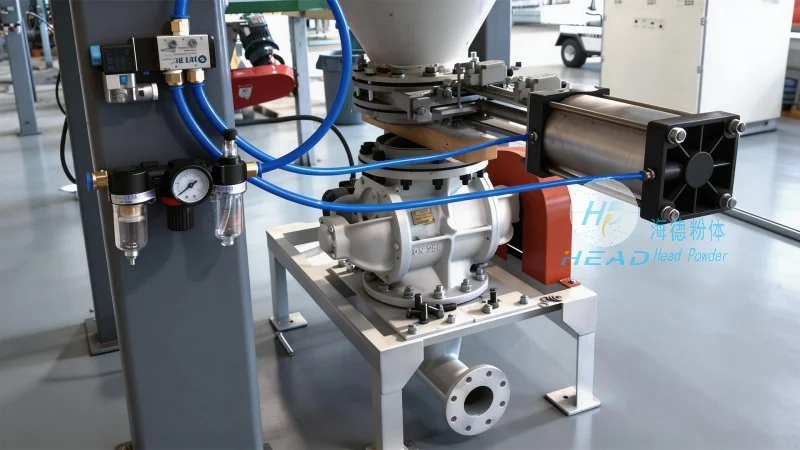
Several critical components contribute to the effective operation of a seasoning powder pneumatic conveying machine. The hopper serves as the storage vessel, with a design that minimizes material bridging and ensures uniform feeding. The airlock, typically a rotary or sliding valve, regulates the flow of powder into the conveying line, preventing backflow and maintaining a steady supply. The fan or blower provides the necessary air pressure, with adjustable speed settings to accommodate different powder types and flow rates. The conveying line, usually made of stainless steel or other corrosion-resistant materials, is designed to withstand the pressure and temperature of the operation. The receiver or discharge hopper collects the powder at the end of the line, with a venting system to release excess air. Filters and cyclones are used to separate the air from the powder, ensuring that the discharged air is clean and the powder is free from contaminants.
Advantages of Using Pneumatic Conveying for Seasonings
Implementing a pneumatic conveying system for seasoning powders offers numerous benefits that enhance operational efficiency and product quality. One of the primary advantages is the ability to handle fine, abrasive powders without causing wear and tear on the equipment. The enclosed system minimizes dust exposure, improving workplace safety and reducing the risk of product contamination. Additionally, the system allows for gentle handling of heat-sensitive or delicate seasonings, preserving their flavor and aroma. The compact design of the equipment saves space in production facilities, making it ideal for both large-scale and small-scale operations. The controlled flow rates and pressure settings enable precise dosing, which is crucial for maintaining consistent product quality in food processing applications.
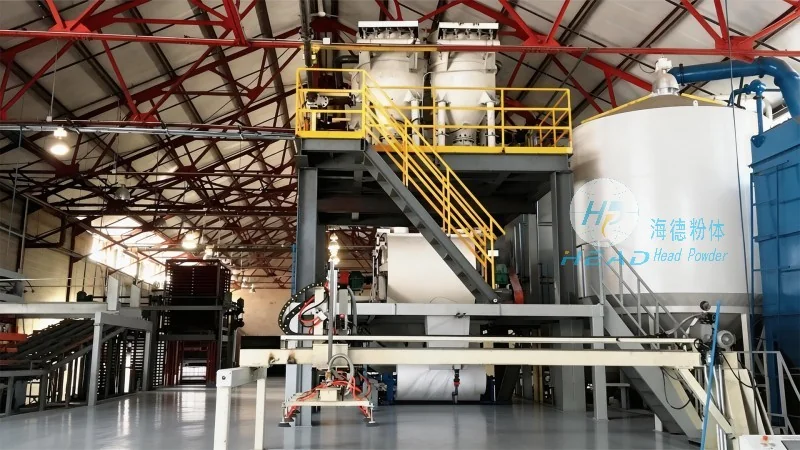
Application Examples in the Food Industry
Seasoning powder pneumatic conveying systems are widely used in various food processing applications where the efficient handling of powdered ingredients is essential. For instance, in spice and herb processing plants, these systems are used to transport ground spices from storage to blending and packaging lines. In the production of instant food products, such as soups and sauces, the equipment efficiently conveys flavor enhancers and seasonings to the mixing tanks. The systems are also utilized in the manufacturing of snacks and confectionery, where precise dosing of flavorings is critical to achieving the desired taste profile. The versatility of the pneumatic conveying system makes it suitable for a wide range of seasoning applications, from basic spices to complex flavor blends.
Maintenance and Operational Tips
To ensure the longevity and optimal performance of a seasoning powder pneumatic conveying machine, regular maintenance is essential. The system should be inspected regularly for signs of wear and tear, particularly on components like the airlock and conveying line. Cleaning the hopper and conveying line after each use helps prevent material buildup and clogging. The fan or blower should be checked for proper air pressure and flow rates, with adjustments made as needed to maintain efficient operation. Filters and cyclones should be cleaned or replaced as per the manufacturer's recommendations to ensure proper air separation and prevent dust accumulation. Additionally, monitoring the system's pressure and flow rates can help identify potential issues before they become major problems. Following these maintenance tips ensures that the equipment operates at peak efficiency, minimizing downtime and maximizing productivity.




