Ammonium sulfate is a widely used chemical compound in various industrial applications, and efficient handling of its powder form is crucial for maintaining production efficiency and safety. The Ammonium Sulfate Powder Conveying Line, developed by Shandong HeadPowder Engineering Co., Ltd., is a specialized system designed to handle the transportation of this material with precision and reliability. This article provides an overview of the operational process and underlying principles of the line, highlighting its key components and functional mechanisms.
Key Components of the Conveying System
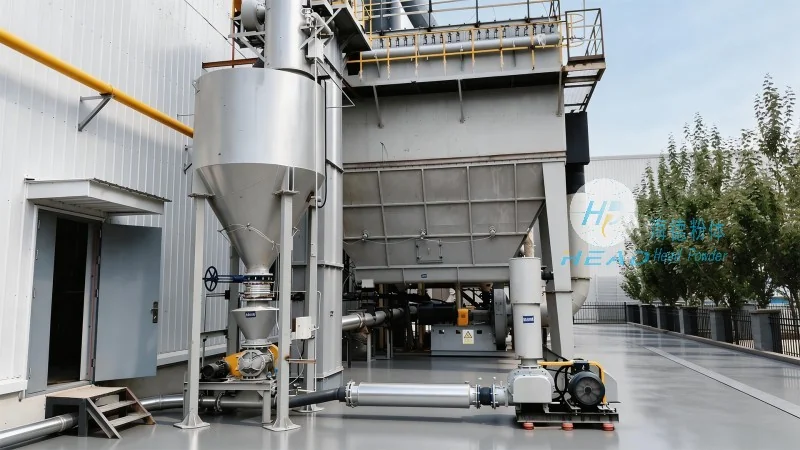
The Ammonium Sulfate Powder Conveying Line consists of several integrated components that work in tandem to ensure smooth material flow. At the core of the system is the feed hopper, which is responsible for storing and regulating the flow of ammonium sulfate powder into the conveyor. The feed hopper is equipped with a level sensor to monitor the material level and an adjustable gate to control the discharge rate, preventing overloading or underflow. Adjacent to the feed hopper is the conveyor itself, typically a screw conveyor or a pneumatic conveyor, which transports the powder from the hopper to the discharge point. The conveyor is designed with a smooth, non-stick surface to minimize material buildup and ensure consistent flow. Additionally, the system includes a dust collection system to capture any airborne particles, maintaining a clean and safe working environment. The control panel, located at a convenient position, allows operators to monitor and adjust the system parameters in real-time, ensuring optimal performance.
Operation Process of the Conveying Line
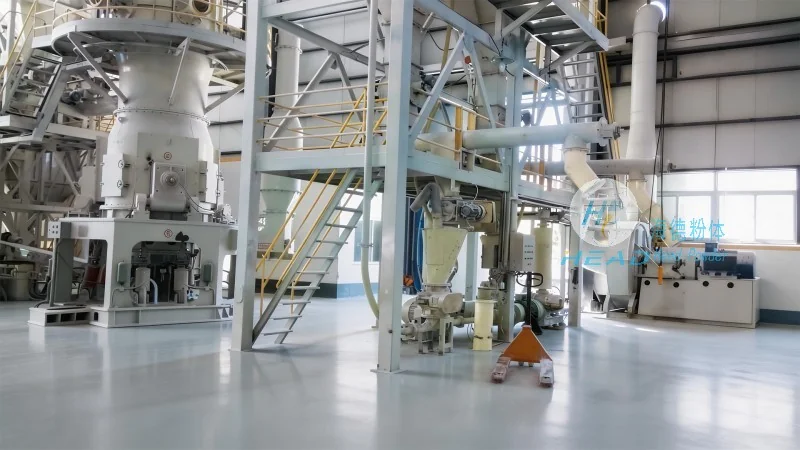
The operation of the Ammonium Sulfate Powder Conveying Line follows a systematic sequence to ensure efficient material handling. The process begins with the loading of ammonium sulfate powder into the feed hopper. Once the hopper is filled to the desired level, the level sensor triggers the conveyor to start operating. The adjustable gate in the hopper controls the flow rate, ensuring that the conveyor receives a steady stream of material without causing blockages or excessive pressure. As the powder moves through the conveyor, it is transported to the discharge point, where it is collected in a storage bin or directly fed into the next processing stage. The control panel continuously monitors the system's performance, adjusting the conveyor speed or feed rate as needed to maintain a consistent flow. In case of any abnormalities, such as a blockage or a drop in material level, the system automatically alerts the operator, allowing for immediate intervention to prevent system downtime.
Working Principle of the Conveying Mechanism
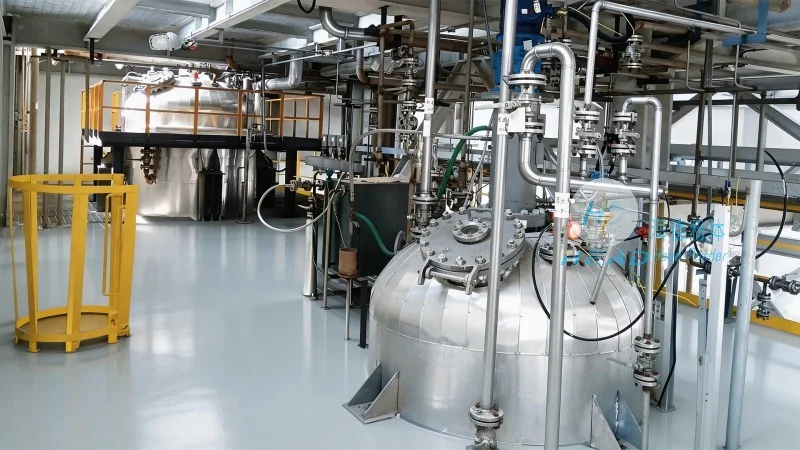
The working principle of the Ammonium Sulfate Powder Conveying Line is based on the principles of mechanical and pneumatic transport, depending on the specific design of the conveyor. For screw conveyors, the mechanism involves a rotating screw (auger) that pushes the powder forward along the conveyor tube. The screw's rotation creates a positive pressure gradient, propelling the material from the feed end to the discharge end. The design of the screw, including its pitch and diameter, is optimized to handle the specific characteristics of ammonium sulfate powder, such as its flowability and potential for caking. For pneumatic conveyors, the system uses compressed air to create a negative pressure that draws the powder into the conveyor line. The powder is then carried through the line by the air stream, reaching the discharge point. The air flow rate is carefully controlled to ensure that the powder is transported without causing excessive pressure drops or particle separation. The combination of these mechanisms ensures that the powder is moved efficiently and safely, minimizing the risk of material degradation or equipment damage.
Advantages and Applications
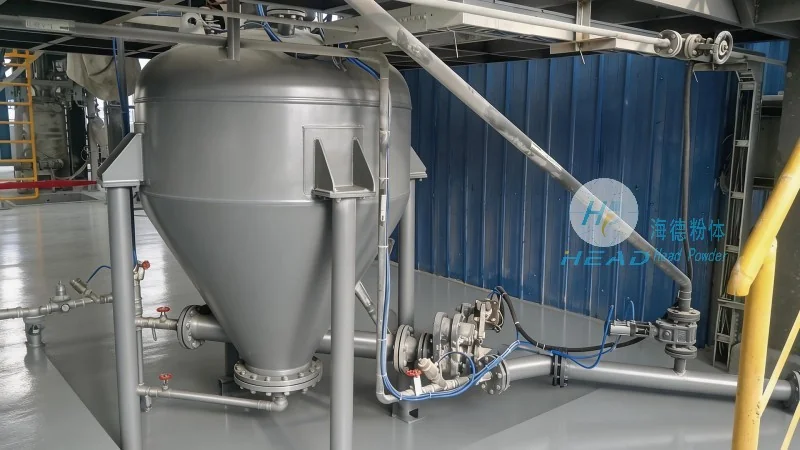
The Ammonium Sulfate Powder Conveying Line offers several advantages that make it suitable for various industrial applications. Its design allows for continuous and automated material handling, reducing the need for manual intervention and improving overall production efficiency. The system is also highly adaptable, with options for different conveyor types and sizes to accommodate varying production volumes and material characteristics. Additionally, the inclusion of a dust collection system enhances workplace safety and compliance with environmental regulations. The line is widely used in the chemical industry for transporting ammonium sulfate from storage to processing units, as well as in agricultural applications for handling fertilizer materials. Its reliability and efficiency make it a preferred choice for industries that require consistent and safe powder handling solutions.




