At Shandong HeadPowder Engineering Co., Ltd., we specialize in the design, manufacturing, and integration of advanced tungsten carbide powder conveying systems. Our focus is on providing efficient, reliable, and high-performance solutions for the transportation of tungsten carbide powders, which are critical components in various industrial applications, including tool manufacturing, wear-resistant parts production, and aerospace components. The following sections will detail the operational process and working principles of our tungsten carbide powder conveying lines, highlighting key components, processes, and the technical advantages that ensure optimal performance.
Key Components of the Conveying System
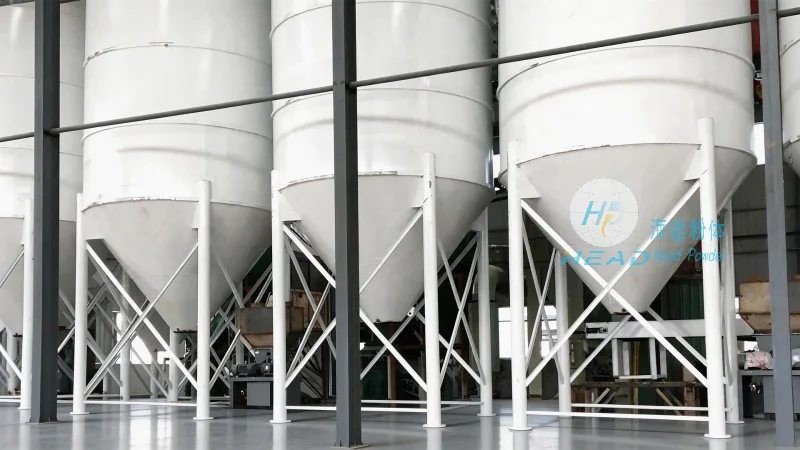
The core of our tungsten carbide powder conveying line consists of several interconnected components, each playing a vital role in the overall process. The primary components include a material hopper for powder storage, a feeder mechanism to control the flow rate, a conveying system (such as a pneumatic or mechanical conveyor), and a dust collection system to ensure environmental compliance and product quality. Each component is engineered to handle the unique properties of tungsten carbide powders, which are known for their high density, hardness, and potential for generating fine dust during handling.
Material Hopper and Storage
The material hopper is the initial stage of the conveying process, designed to store and feed tungsten carbide powder into the system. Constructed from durable materials like stainless steel or special alloys, the hopper is equipped with a sloped bottom to facilitate smooth powder flow. A level sensor is typically integrated to monitor the powder volume, ensuring consistent feeding rates. The hopper also features a dust-tight design to prevent contamination and maintain product purity. For large-scale operations, multiple hoppers may be used to store different grades of tungsten carbide powders, allowing for seamless switching between materials without interrupting the production line.
Feeder Mechanism and Flow Control
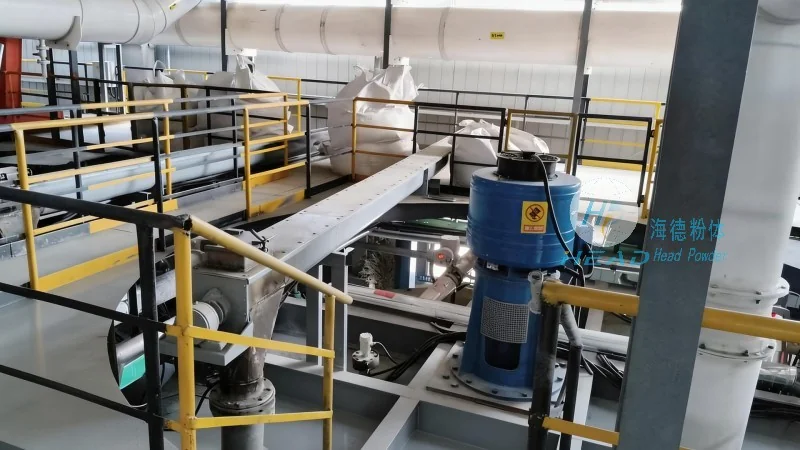
Following the hopper, the feeder mechanism is responsible for regulating the flow of tungsten carbide powder into the conveying system. Various types of feeders are employed, including rotary valves, screw feeders, and vibratory feeders, each chosen based on the specific characteristics of the powder and the required flow rate. The feeder's design ensures that the powder is discharged at a controlled and uniform rate, preventing overloading or underloading of the conveyor. This step is crucial for maintaining consistent product quality and preventing clogging or blockages in downstream components. The feeder is also equipped with a safety interlock to stop the system in case of abnormal conditions, such as a blockage or excessive pressure, thereby protecting equipment and personnel.
Conveying Methods: Pneumatic vs. Mechanical
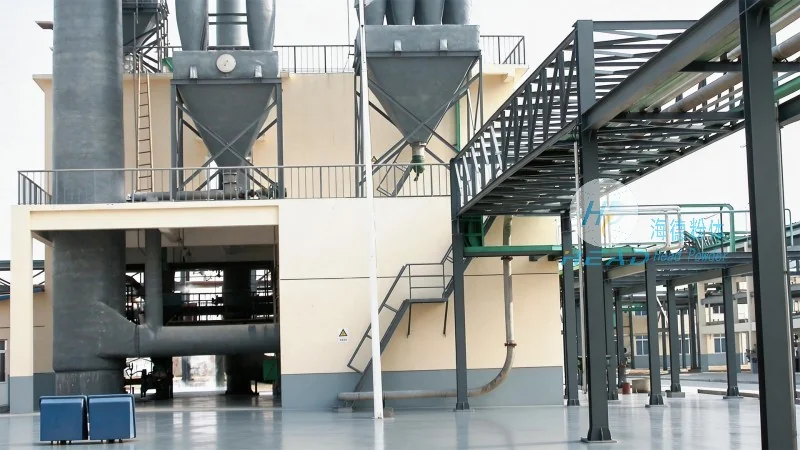
Our conveying lines utilize either pneumatic or mechanical systems, depending on the application requirements. Pneumatic conveying systems use compressed air to transport the powder through a network of pipes, while mechanical systems employ screw, belt, or chain conveyors. Pneumatic systems are ideal for handling fine powders and long-distance transportation, as they can maintain a consistent flow without the need for physical contact with the powder. Mechanical systems, on the other hand, are more suitable for bulk handling and shorter distances, offering higher efficiency and lower energy consumption. The choice of conveying method is determined by factors such as powder properties, required throughput, and system layout. Both systems are designed to minimize particle degradation and maintain the integrity of the tungsten carbide powder.
Dust Collection and Environmental Control
Due to the fine nature of tungsten carbide powders, dust generation is a common issue during handling. Our conveying lines incorporate advanced dust collection systems to capture and filter the airborne particles, ensuring compliance with environmental regulations and maintaining a safe working environment. The dust collection system typically includes a cyclone separator, a filter baghouse, and a fan to draw air through the system and collect the powder. The collected powder is then returned to the hopper or stored in a separate container, preventing loss and maintaining product consistency. The system is also equipped with a pressure relief valve to prevent overpressure and a filter cleaning mechanism to maintain optimal performance. This component is critical for both environmental sustainability and product quality, as contaminated air can affect the properties of the tungsten carbide powder.
Control System and Automation
The entire conveying line is controlled by a sophisticated automation system that monitors and regulates all operational parameters. The control system uses sensors to track powder levels, flow rates, and pressure, providing real-time data to operators. It also includes programmable logic controllers (PLCs) and human-machine interfaces (HMIs) to allow for remote monitoring and adjustment of the system. The automation ensures that the conveying process is efficient, reliable, and consistent, reducing the risk of human error and improving overall productivity. The system can be integrated with other production equipment, such as mixing or sintering machines, to create a fully automated production line. This integration enhances the overall efficiency of the manufacturing process and allows for seamless coordination between different stages.
Maintenance and Operational Considerations
Regular maintenance is essential to ensure the long-term performance and reliability of the tungsten carbide powder conveying line. The system requires periodic cleaning of components, such as the hopper, feeder, and conveyor, to prevent powder buildup and clogging. The dust collection system also needs to be inspected and serviced regularly to maintain its efficiency. Operators should follow the manufacturer's guidelines for maintenance and troubleshooting to minimize downtime and maximize system life. Additionally, the system should be inspected for wear and tear, and components should be replaced as needed to prevent failures. Proper maintenance not only extends the life of the equipment but also ensures consistent product quality and operational safety.
Conclusion
Shandong HeadPowder Engineering Co., Ltd. provides comprehensive tungsten carbide powder conveying lines that combine advanced technology with robust engineering to meet the demanding requirements of modern industrial applications. By understanding the operational process and working principles of these systems, users can optimize their production processes, improve product quality, and enhance overall efficiency. Our commitment to quality, reliability, and innovation ensures that our conveying lines are the ideal solution for handling tungsten carbide powders, supporting the success of our clients in various industries.




