For industries that handle dye powders, efficient and reliable material handling is crucial. A dye powder conveying machine is a specialized piece of equipment designed to transport these fine powders from one location to another within a production facility. The primary goal of such a machine is to ensure the safe, consistent, and low-dust transfer of dye powders, which are often sensitive to moisture and air exposure. This equipment is essential for maintaining product quality and operational efficiency in dye manufacturing, printing, and related industries.
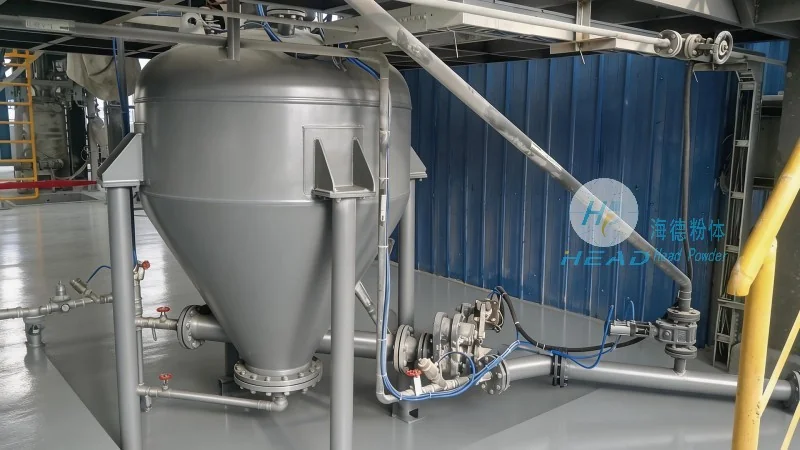
Key Design Principles of Dye Powder Conveying Machines
The design of a dye powder conveying machine is built around several critical principles to address the unique challenges of handling fine, abrasive, and often hygroscopic powders like dyes. First, the machine must minimize dust generation and exposure to prevent contamination and ensure worker safety. This is achieved through enclosed systems, sealed components, and proper sealing mechanisms. Second, the design focuses on preventing material degradation, as dye powders can degrade when exposed to air, moisture, or excessive friction. Therefore, the conveying system is typically designed with smooth surfaces and minimal contact points to reduce wear and tear. Third, the machine is engineered for consistent flow and control, allowing for precise dosing and regulation of the powder flow rate. This is vital for applications where the exact amount of dye is critical, such as in textile printing or color matching.
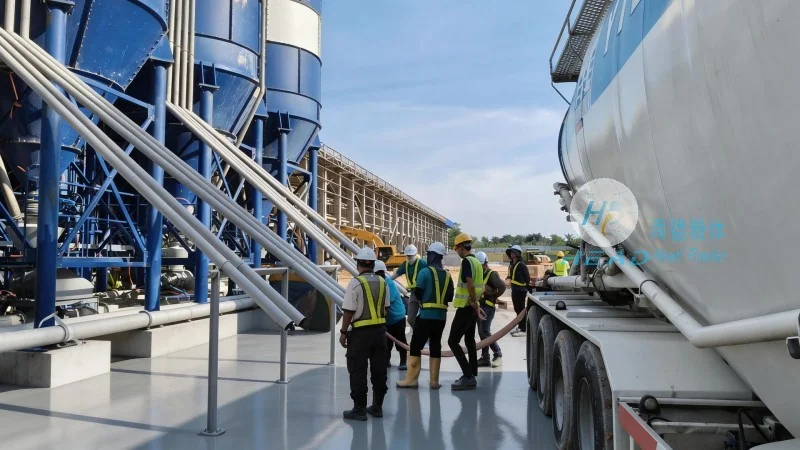
Components and Working Mechanism
A typical dye powder conveying machine consists of several key components that work in tandem to achieve efficient material transport. The main parts include a hopper for material storage, a conveyor system (often a screw or pneumatic conveyor), a control unit for regulating flow, and a discharge mechanism for delivering the powder to the next stage of production. The hopper is usually made of corrosion-resistant materials like stainless steel to prevent the dye from reacting with the container and to maintain hygiene standards. The conveyor system, whether mechanical (like a screw conveyor) or pneumatic (air-driven), is designed to handle the specific characteristics of dye powders. For example, a screw conveyor uses rotating screws to push the powder forward, while a pneumatic conveyor uses air pressure to transport the material through a tube. Both systems are enclosed to contain dust and maintain a controlled environment. The control unit allows operators to adjust the speed of the conveyor, the pressure in pneumatic systems, or the rotation speed of the screw, ensuring precise control over the powder flow. The discharge mechanism, such as a valve or a controlled outlet, ensures that the powder is released in a controlled manner, preventing spills and maintaining a clean working environment.
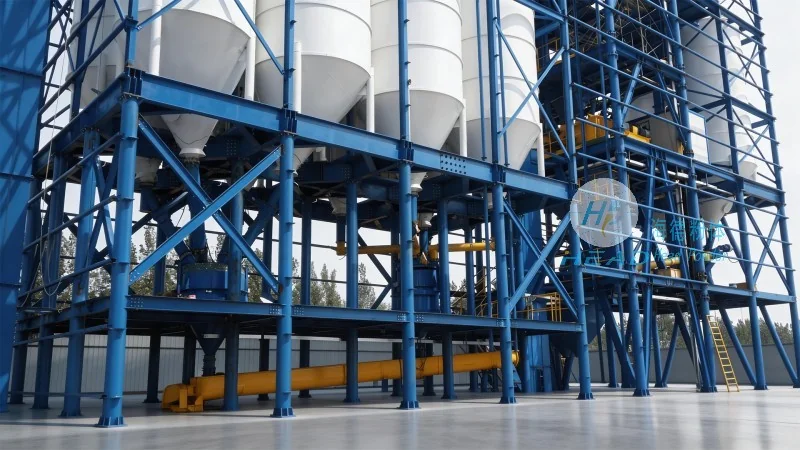
Advantages of Using a Dye Powder Conveying Machine
Implementing a dye powder conveying machine offers several advantages for businesses in the dye industry. First, it significantly improves operational efficiency by automating the material handling process, reducing the need for manual labor and minimizing the risk of human error. This leads to faster production cycles and increased output. Second, the enclosed design of the machine minimizes dust and contamination, which is critical for maintaining the quality of dye products. Contaminated dye can affect the color and consistency of final products, leading to customer complaints and waste. Third, the machine helps in reducing material waste by ensuring precise dosing and preventing overfilling or underfilling. This not only saves costs but also contributes to environmental sustainability by reducing the amount of excess dye that needs to be disposed of. Additionally, the consistent flow and control provided by the machine improve the overall quality of the final product, as the dye is applied in a uniform manner. This leads to better color matching and higher customer satisfaction.
Applications in the Dye Industry
Dye powder conveying machines are widely used in various applications within the dye industry. In textile manufacturing, these machines are used to transport dye powders from storage to the dyeing machines, ensuring a steady supply of material for the dyeing process. The consistent flow of dye helps in achieving uniform coloration of fabrics, which is essential for meeting customer specifications. In printing industries, such as flexographic or screen printing, the machine is used to transport ink powders to the printing presses, ensuring that the ink is applied in a precise and controlled manner. This is crucial for producing high-quality printed materials with accurate colors. Additionally, in color matching and formulation labs, the machine is used to transport small quantities of dye powders for testing and development purposes. The ability to handle small batches with precision is vital for developing new dye formulations and ensuring that they meet the required standards.
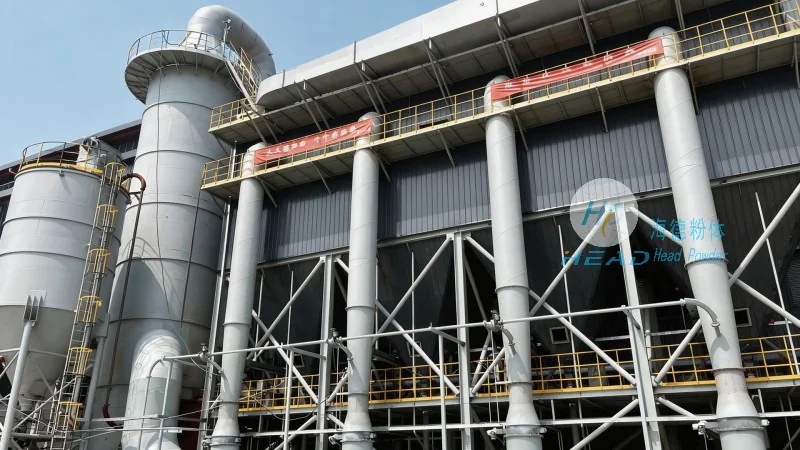
Choosing the Right Dye Powder Conveying Machine
When selecting a dye powder conveying machine, several factors should be considered to ensure it meets the specific needs of a business. First, the type of conveyor system should be chosen based on the characteristics of the dye powder, such as its particle size, moisture content, and abrasiveness. For example, a pneumatic conveyor is suitable for fine, dry powders, while a screw conveyor is better for bulkier or more abrasive materials. Second, the capacity of the machine should be matched to the production volume of the facility. A machine with insufficient capacity can lead to bottlenecks and delays in production. Third, the machine should be made of materials that are compatible with the dye powder to prevent contamination and corrosion. Stainless steel is a common choice due to its corrosion resistance and hygiene properties. Fourth, the machine should be equipped with features that enhance safety and efficiency, such as dust collection systems, control panels with easy-to-use interfaces, and maintenance-friendly designs. Finally, the machine should be from a reputable manufacturer with a proven track record in the industry, such as Shandong HeadPowder Engineering Co., Ltd., which specializes in designing and manufacturing high-quality conveying equipment for the dye industry.




