Forage silage serves as a vital feed resource in contemporary animal husbandry, and the efficient management of this material is paramount for optimizing farm operations. A forage silage powder conveying line is a specialized system engineered to transport and process silage material from storage to processing or feeding zones. This article will explore the concept of such a line and delve into its fundamental design principles, offering insights into how these systems enhance agricultural productivity.
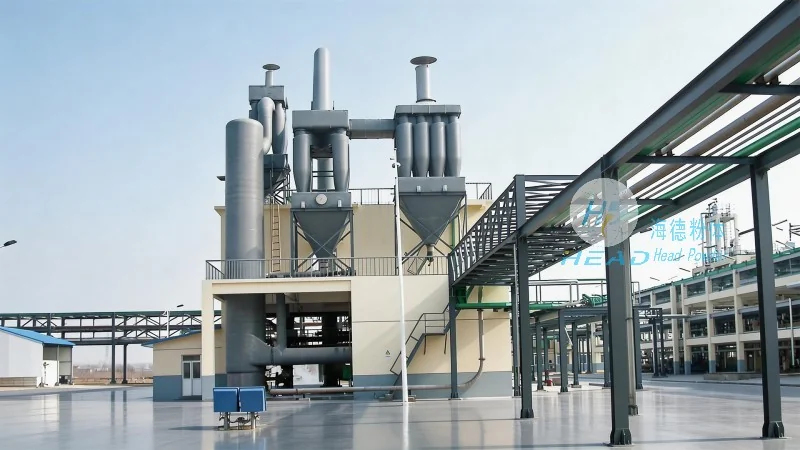
Understanding the Forage Silage Powder Conveying Line
A forage silage powder conveying line typically comprises several key components, including silage storage facilities, conveyors, processing units, and feeding systems. The primary function of this line is to move silage material from the storage silo or bunker to the point of use, such as a feed mixer or a feeding station. This process is critical for ensuring silage is handled hygienically and efficiently, minimizing waste and maximizing the nutritional value of the feed.
Key Components of the Conveying Line
The design of a forage silage powder conveying line involves integrating various equipment to achieve seamless material flow. The main components include:
1. Silage Storage: This refers to the storage silos or bunkers where the silage is kept after fermentation. These structures are designed to maintain the quality of the silage by controlling temperature and moisture levels.
2. Conveyors: Conveyors are the core of the system, responsible for transporting the silage material. Common types include screw conveyors, belt conveyors, and pneumatic conveyors. The choice of conveyor depends on the characteristics of the silage, such as its moisture content and particle size.
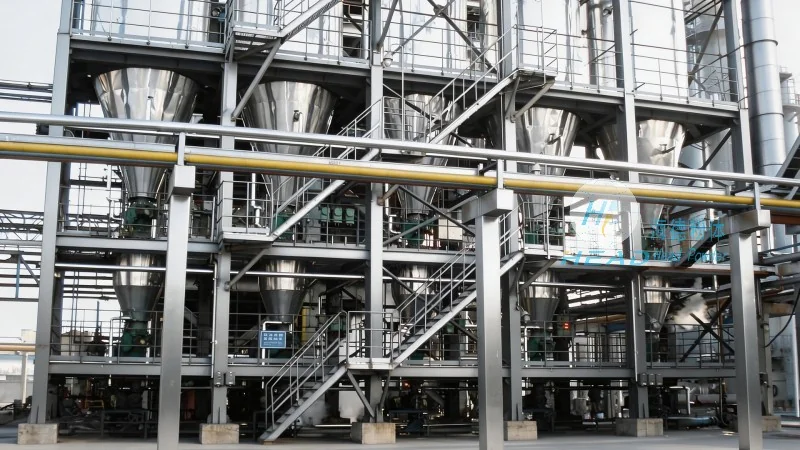
3. Processing Units: These units may include grinders, mixers, or driers, which are used to process the silage into a more manageable form, such as a powder or a mixed feed.
4. Feeding Systems: The final component of the line is the feeding system, which delivers the processed silage to the animals. This may include feeders, troughs, or automated feeding equipment.
Design Principles for Efficient Operation
The design of a forage silage powder conveying line is guided by several key principles to ensure optimal performance and reliability. These principles include:
1. Hygienic Handling: The system must be designed to prevent contamination of the silage during transport. This involves using materials that are resistant to corrosion and easy to clean, as well as implementing sealed systems to minimize exposure to air and bacteria.
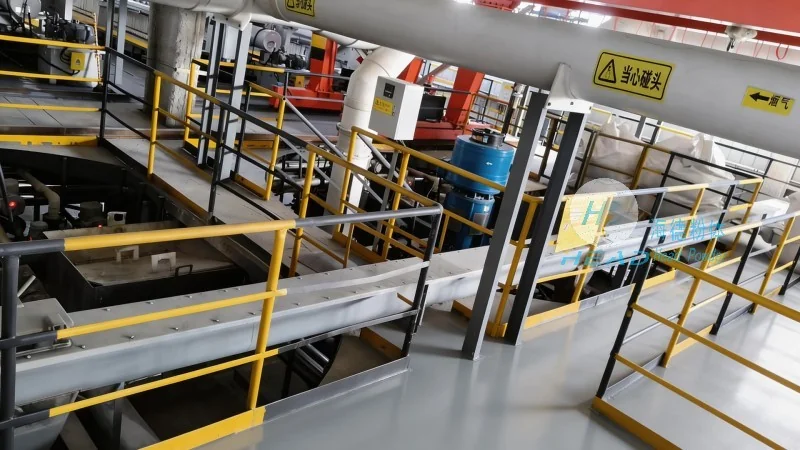
2. Energy Efficiency: The design aims to minimize energy consumption while maintaining high throughput. This is achieved through the selection of efficient conveyor systems, proper sizing of components, and the use of variable speed drives to adjust to varying loads.
3. Flexibility and Scalability: The conveying line should be designed to accommodate changes in production levels and feed requirements. This includes the ability to adjust conveyor speeds, add or remove processing units, and integrate with other farm systems.
4. Reliability and Durability: The components of the line must be built to withstand the harsh conditions of agricultural environments, including exposure to moisture, dust, and heavy loads. This involves using high-quality materials and robust construction techniques.
Applications and Benefits
A forage silage powder conveying line is widely used in dairy farms, feedlots, and other livestock operations. The benefits of using such a system include:
1. Improved Feed Quality: By processing the silage into a powder, the nutritional value is enhanced, and the feed is more palatable to animals.
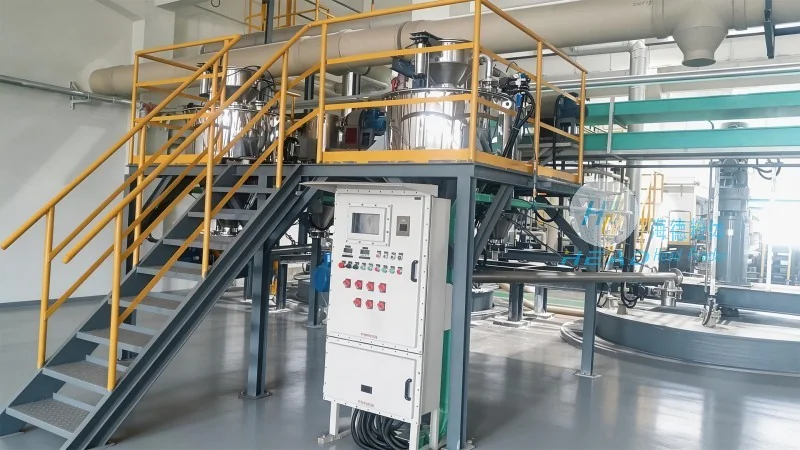
2. Reduced Waste: The efficient handling of silage minimizes spoilage and waste, leading to cost savings for the farmer.
3. Enhanced Labor Efficiency: The automated nature of the conveying line reduces the need for manual labor in handling silage, allowing farmers to focus on other tasks.
4. Better Animal Health: The consistent quality of the feed provided by the system contributes to better health and productivity of the livestock.
Conclusion
A forage silage powder conveying line is a critical component of modern agricultural operations, designed to efficiently handle and process silage material. The design principles of such a system focus on hygienic handling, energy efficiency, flexibility, and durability. By implementing these principles, farmers can improve feed quality, reduce waste, and enhance overall productivity. The use of advanced conveying technology, such as those offered by Shandong HeadPowder Engineering Co., Ltd., based in China, further supports these goals by providing reliable and efficient solutions tailored to specific farm needs.




