HeadPowder, a leading engineering company based in Shandong, China, specializes in the design and implementation of advanced material handling systems tailored for the lithium-ion battery manufacturing industry. This article provides a detailed overview of the operation process and working principles of a lithium-ion battery material handling system, highlighting key components, operational workflows, and the technical aspects that ensure efficient and reliable material transport within battery production lines.
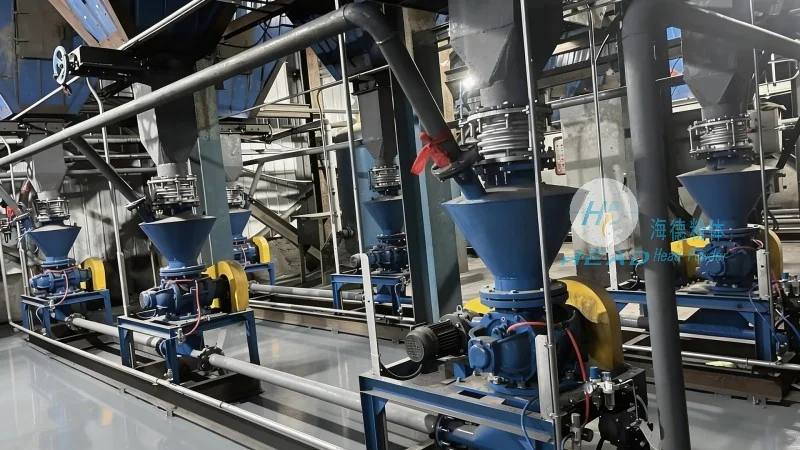
System Overview and Core Components
The lithium-ion battery material handling system is a sophisticated integration of machinery and automation technologies designed to manage the flow of raw materials, intermediate products, and finished components throughout the battery production cycle. Key components typically include conveyor systems, robotic handling units, automated storage and retrieval systems (AS/RS), and material transport vehicles. These components are interconnected through a centralized control system that coordinates operations, ensuring seamless material movement from incoming raw materials to the final battery assembly stage.
Operational Workflow: From Raw Material Reception to Final Assembly
The operational process of the lithium-ion battery material handling system begins with the reception of raw materials at the facility's loading dock. Materials such as cathode active material, anode material, electrolyte, and separators are received and stored in designated bulk storage areas. The system then initiates the material transport process by using conveyor belts or automated guided vehicles (AGVs) to move these raw materials to the processing stations.
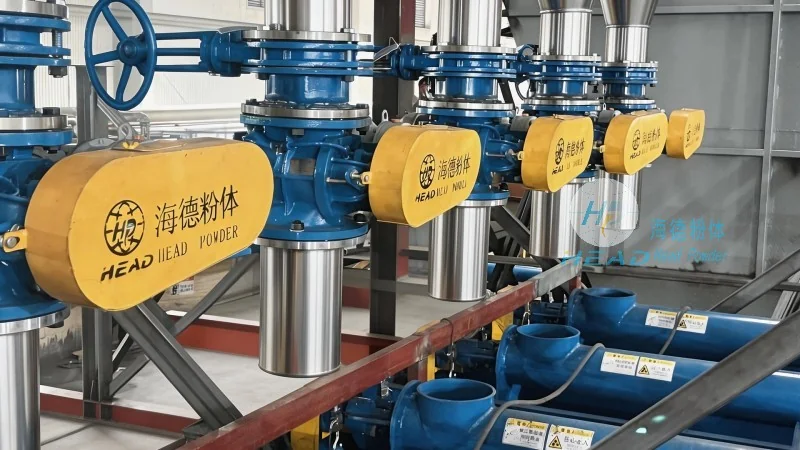
Once the raw materials reach the processing stations, they undergo various preparation steps, including mixing, coating, and drying. The material handling system ensures that each material is transported to the correct processing equipment at the right time, minimizing downtime and optimizing production efficiency. After processing, the intermediate products are transferred to the cell formation and assembly stages. The system continues to facilitate the movement of components like electrodes, current collectors, and casings to the assembly lines, where they are integrated into battery cells.
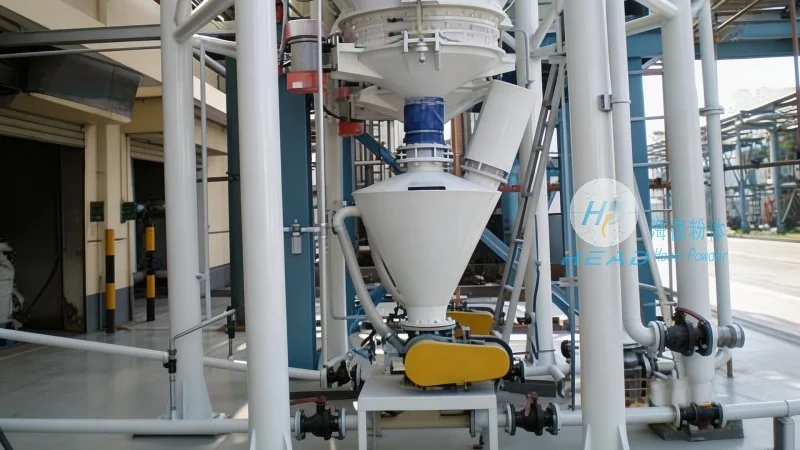
Working Principle: Automation and Control Systems
The working principle of the lithium-ion battery material handling system relies on a combination of mechanical, electrical, and software components. The system uses sensors, cameras, and position feedback devices to monitor the status of materials and equipment in real-time. This data is processed by the central control system, which adjusts the operation of conveyor speeds, robotic movements, and AGV routes to maintain optimal material flow. The automation ensures precision in material placement, reduces human error, and enhances overall production quality.
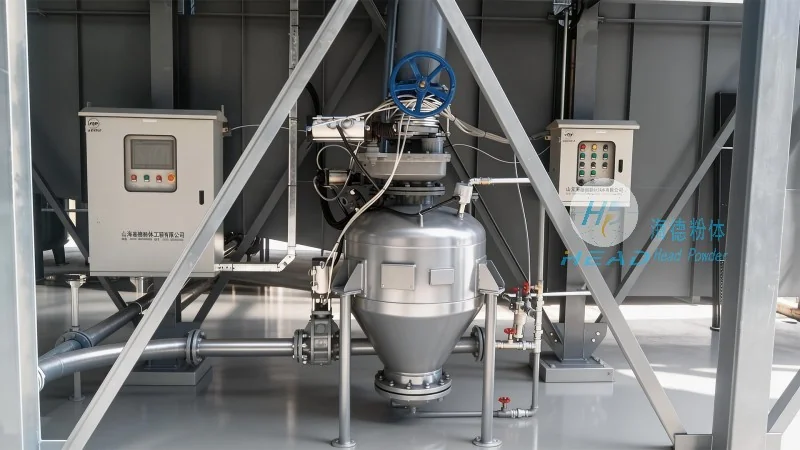
Key Features and Benefits of the Material Handling System
HeadPowder's lithium-ion battery material handling system offers several key features that contribute to enhanced productivity and operational reliability. These include high-speed conveyor systems capable of handling large volumes of materials, robotic handling units that can perform complex tasks with precision, and an integrated control system that provides real-time monitoring and data analysis. The benefits of implementing such a system include increased production throughput, reduced labor costs, improved material traceability, and enhanced safety in the manufacturing environment.
Conclusion
HeadPowder Engineering Co., Ltd., based in Shandong, China, provides comprehensive solutions for lithium-ion battery material handling systems. By leveraging advanced automation and control technologies, these systems streamline the material transport process from raw material reception to final battery assembly, ensuring efficient and reliable operations. The integration of mechanical, electrical, and software components enables seamless coordination of material flow, ultimately contributing to higher production efficiency and product quality in the lithium-ion battery manufacturing industry.




