Organosilicon powder, a crucial material in various industrial applications, requires specialized equipment for efficient and safe handling. The design of such equipment is pivotal to ensuring optimal performance, reliability, and safety in material processing. This article delves into the key aspects of organosilicon powder material handling equipment, exploring its design principles and the factors that influence its functionality. Shandong HeadPowder Engineering Co., Ltd., a leading manufacturer of specialized material handling solutions, specializes in addressing the unique challenges of handling organosilicon powders, ensuring that their equipment meets the highest standards of performance and safety.
Introduction to Organosilicon Powder and Its Handling Challenges
Organosilicon powders are a class of materials derived from silicon, organic compounds, and other elements, widely used in industries like electronics, coatings, and adhesives. These powders often exhibit unique properties such as low volatility, high thermal stability, and specific chemical reactivity. Handling these materials presents challenges due to their fine particle size, potential for static charge accumulation, and sensitivity to moisture or contamination. Effective material handling equipment must address these challenges to maintain product quality and operational efficiency.
Key Components of Organosilicon Powder Material Handling Equipment
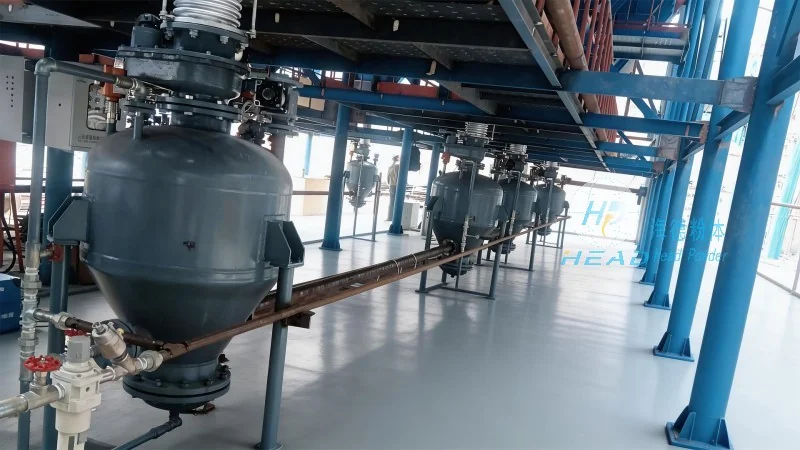
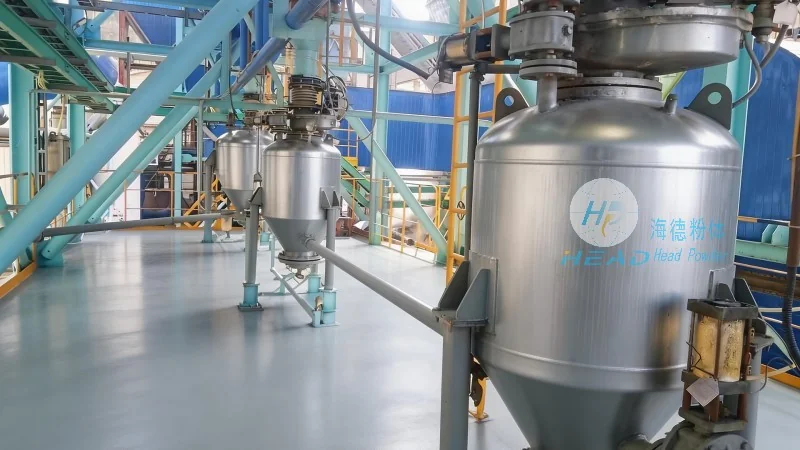
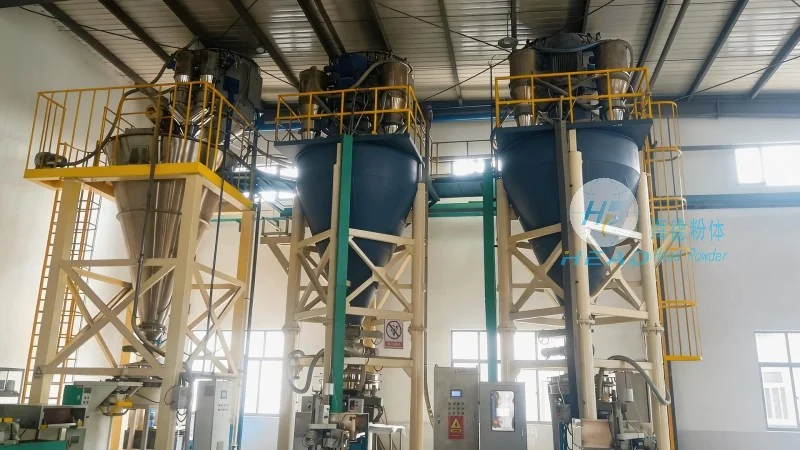
The core components of organosilicon powder material handling systems typically include feeders, conveyors, storage silos, and control systems. Each component plays a critical role in the overall operation. Feeders, such as rotary valves or vibratory feeders, regulate the flow of powder from storage to processing units, ensuring consistent and controlled discharge. Conveyors, including pneumatic or mechanical systems, transport the powder from one location to another, often over long distances or within complex production lines. Storage silos are designed to hold large quantities of powder, providing a stable environment that minimizes degradation or caking. Control systems integrate sensors and automation to monitor and adjust the flow, pressure, and other parameters, enhancing operational safety and efficiency.
Design Principles for Optimal Performance
The design of organosilicon powder handling equipment is guided by several fundamental principles aimed at maximizing performance and minimizing risks. First, the equipment must be constructed from materials that are compatible with the chemical properties of the organosilicon powder, preventing reactions or contamination. For instance, stainless steel or specialized polymers are commonly used to avoid corrosion or chemical interaction. Second, the design must incorporate features to manage static electricity, as fine powders can accumulate charge, leading to sparks or even explosions. Anti-static coatings, grounding mechanisms, and conductive materials are integrated into the equipment to mitigate these risks. Third, the equipment is designed for easy cleaning and maintenance to prevent cross-contamination and ensure long-term operational reliability. This includes smooth surfaces, removable parts, and easy access to internal components.
Material Flow and Process Integration
Effective organosilicon powder handling equipment is not just about individual components but also about seamless integration into the overall production process. The design considers the entire material flow from raw material storage to final product output. This includes coordinating with upstream processes, such as mixing or drying, and downstream processes, such as packaging or further processing. The equipment must be capable of handling varying flow rates and particle sizes, adapting to different production demands. Additionally, the design emphasizes energy efficiency and minimal waste, aligning with modern industrial standards for sustainability and cost-effectiveness.
Case Study: Application in the Electronics Industry
Consider the application of organosilicon powder handling equipment in the electronics manufacturing sector. Here, the equipment is used to transport and dispense organosilicon-based adhesives or coatings for circuit board assembly. The design principles discussed earlier are crucial in this context. For example, the equipment must handle fine powders without agglomeration, ensuring consistent adhesive application. The anti-static features are vital to prevent damage to sensitive electronic components. The control systems integrate with the production line to automate the dispensing process, reducing human error and improving throughput. This case study highlights how the design principles of organosilicon powder handling equipment directly impact the quality and efficiency of high-tech manufacturing processes.
Conclusion and Future Considerations
Organosilicon powder material handling equipment is a critical component in industries relying on these specialized materials. The design principles, including material compatibility, static control, and ease of maintenance, are essential for ensuring safe and efficient operation. As technology advances, future designs may incorporate more advanced automation, real-time monitoring, and sustainable materials to further enhance performance and reduce environmental impact. For businesses dealing with organosilicon powders, investing in well-designed handling equipment is not just a matter of operational efficiency but also a key factor in maintaining product quality and meeting industry standards.




