For industrial applications that require the efficient and reliable transport of dry lime, specialized material handling equipment plays a crucial role. The operation process and working principle of such equipment are designed to ensure optimal performance, safety, and efficiency in handling this essential material. This article provides a detailed overview of the dry lime material handling equipment's operation process and working principle, highlighting the key components and mechanisms involved.
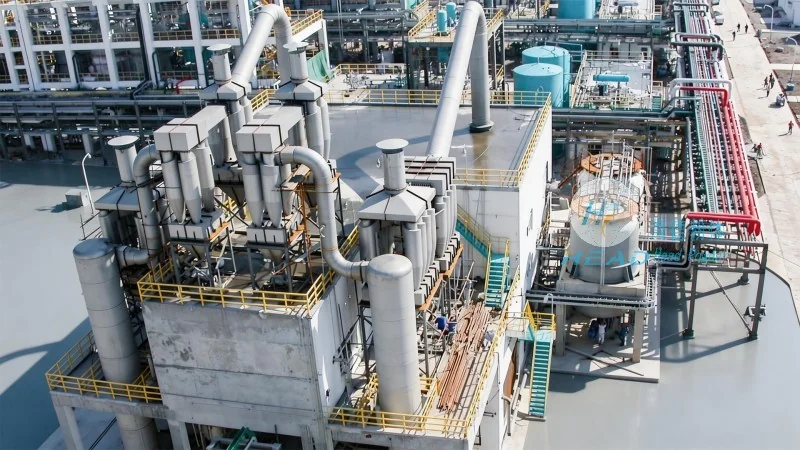
Overview of Dry Lime Material Handling Equipment
Dry lime, a widely used industrial material, is often transported in bulk quantities. The equipment designed for this purpose is engineered to handle the material's characteristics, such as its density, flowability, and potential dust generation. The primary goal of the system is to move dry lime from its source to the point of use, such as in flue gas desulfurization processes, water treatment, or construction applications. The equipment typically includes components like feeders, conveyors, and control systems that work in tandem to achieve seamless material transport.
Key Components and Their Roles
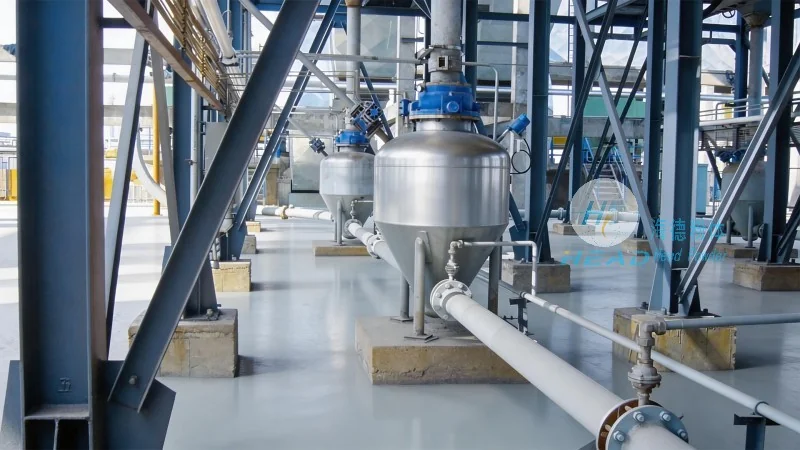
The dry lime material handling equipment consists of several critical components, each with a specific function. The feed hopper is the initial component where dry lime is stored and fed into the system. It is designed to maintain a consistent material level and prevent blockages. The feeder, often a rotary or vibratory type, regulates the flow rate of the dry lime into the conveyor system. The conveyor, which can be a belt, screw, or pneumatic type, transports the material through the system. Control systems, including sensors and valves, monitor and adjust the flow rate and pressure to ensure smooth operation. Safety features, such as dust collection systems and emergency stop mechanisms, are also integral to the equipment to protect operators and the environment.
Operation Process of Dry Lime Material Handling Equipment
The operation process of the dry lime material handling equipment begins with the loading of dry lime into the feed hopper. The material is then fed into the feeder, which controls the discharge rate. The feeder transfers the material to the conveyor, which moves it to the desired destination. The control system continuously monitors the process parameters, such as flow rate and pressure, and adjusts the feeder speed or conveyor speed as needed to maintain a stable operation. The process is typically automated, with minimal manual intervention required. The equipment operates continuously, ensuring a steady supply of dry lime to the end user. During operation, the system may also include cleaning cycles to prevent material buildup and maintain efficiency.
Working Principle of Dry Lime Material Handling Equipment
The working principle of the dry lime material handling equipment is based on mechanical and pneumatic forces to move the material. The feed hopper uses gravity to feed the material into the feeder. The feeder uses rotational or vibrational motion to push the material forward. The conveyor system, whether belt, screw, or pneumatic, uses friction or air pressure to transport the material. The control system uses sensors to detect the material level and flow rate, and adjusts the system parameters to maintain optimal performance. The entire process is designed to be energy-efficient and low-maintenance, ensuring long-term reliability. The equipment is also designed to handle variations in material properties, such as changes in moisture content or particle size, without significant performance degradation.
Benefits and Applications
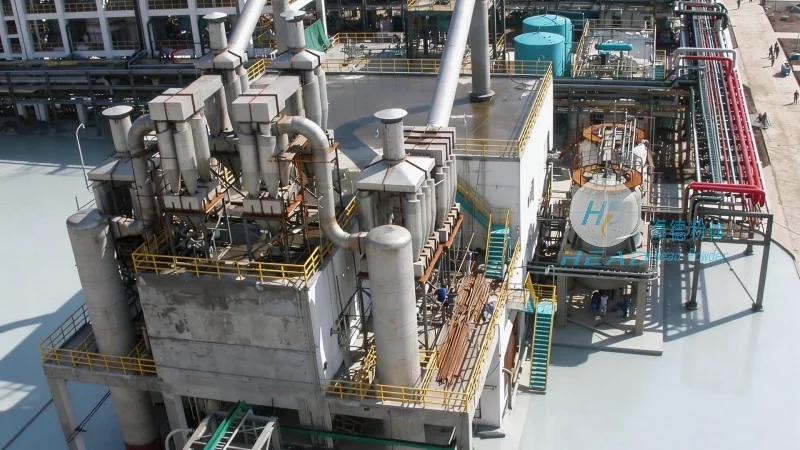
The dry lime material handling equipment offers several benefits, including high efficiency, low maintenance, and safety. It is widely used in various industries, including power generation, water treatment, and construction. In power plants, the equipment is used to transport dry lime for flue gas desulfurization, helping to reduce sulfur dioxide emissions. In water treatment facilities, it is used to add lime for pH adjustment and water softening. In construction, it is used to supply lime for soil stabilization and concrete production. The equipment's ability to handle bulk quantities and maintain consistent flow rates makes it an essential component in these applications.
About HeadPowder: Shandong HeadPowder Engineering Co., Ltd.
HeadPowder, a leading manufacturer of industrial material handling equipment, specializes in providing high-quality solutions for dry lime and other bulk material transport. With a strong focus on innovation and customer satisfaction, HeadPowder has established itself as a trusted partner in the industry. The company is headquartered in Shandong, China, and has a team of experienced engineers and technicians dedicated to developing and manufacturing reliable equipment. HeadPowder's products are designed to meet the specific needs of customers, ensuring optimal performance and long-term durability. The company adheres to strict quality control standards and provides comprehensive after-sales support to ensure customer satisfaction. HeadPowder is committed to delivering solutions that enhance operational efficiency and safety in bulk material handling applications.




