Dry flue gas desulfurization (FGD) processes are widely used in power plants to reduce sulfur dioxide emissions. A critical component of these systems is the material handling equipment designed to transport fly ash, the byproduct of the desulfurization process. Understanding the equipment and its design principles is essential for optimizing plant operations and ensuring efficient waste management. This article explores the key aspects of dry FGD fly ash material handling equipment, focusing on its functionality, design considerations, and the engineering principles that underpin its operation.
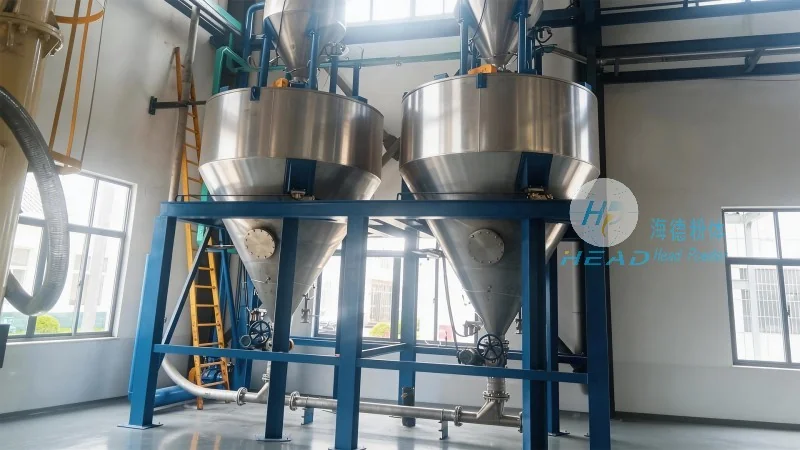
About HeadPowder: Your Expert in Material Handling Solutions
HeadPowder, a leading manufacturer based in Shandong, China, specializes in providing high-quality material handling equipment for industrial applications. With years of experience in the field, HeadPowder has developed advanced solutions tailored to the unique challenges of FGD fly ash transportation. The company’s commitment to innovation and quality ensures that its equipment meets the stringent requirements of modern power plants, offering reliable performance and long-term durability. HeadPowder’s products are designed to enhance operational efficiency, reduce maintenance costs, and support sustainable environmental practices.
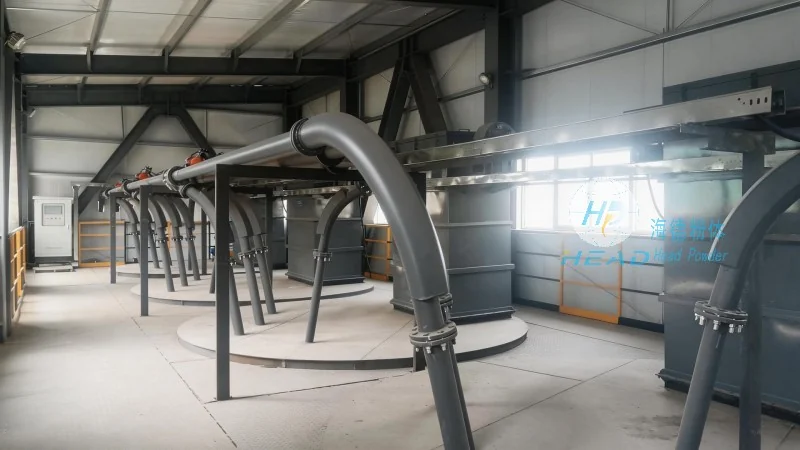
Key Design Principles of Dry FGD Fly Ash Material Handling Equipment
The design of dry FGD fly ash material handling equipment is guided by several critical principles to ensure effective and safe operation. First, the equipment must be capable of handling the abrasive and fine nature of fly ash, which can cause wear and tear on components. This is addressed through the use of high-quality materials, such as stainless steel or special alloys, in the construction of hoppers, conveyors, and other parts. Second, the system must maintain the dryness of the ash to prevent caking and blockages, which can disrupt the flow and reduce efficiency. This is achieved through the integration of drying mechanisms, such as hot air or heated surfaces, within the equipment. Third, the design prioritizes energy efficiency and minimal environmental impact. By optimizing the conveyor speed, reducing friction, and using energy-efficient motors, the equipment operates with lower power consumption. Additionally, the equipment is designed to minimize dust emissions, protecting both the environment and the health of plant personnel. These principles collectively ensure that the material handling system operates reliably, efficiently, and in compliance with environmental regulations.
Functional Components and Their Role in the System
Dry FGD fly ash material handling equipment typically consists of several key components, each playing a vital role in the overall operation. The primary components include the ash hopper, which collects the fly ash from the desulfurization unit; the conveyor system, which transports the ash to the storage or disposal area; and the control system, which monitors and regulates the flow of material. The ash hopper is designed with a sloped bottom to facilitate the flow of ash into the conveyor, preventing accumulation and ensuring consistent feeding. The conveyor system may use various types of belts, such as rubber or plastic, depending on the specific requirements of the plant. These belts are often equipped with special coatings or liners to resist abrasion from the fly ash. The control system includes sensors and actuators that monitor the ash level in the hopper, the speed of the conveyor, and the temperature of the ash. This real-time monitoring allows for automatic adjustments to maintain optimal operation, preventing overloading or underloading of the system. Additionally, the equipment may include dust collection systems to capture any airborne particles, further enhancing safety and compliance with environmental standards.
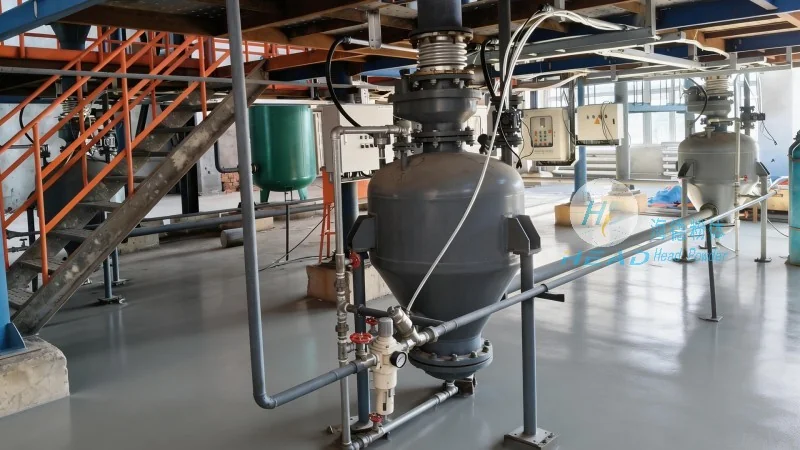
Advantages of Using Dry FGD Fly Ash Material Handling Equipment
Implementing dry FGD fly ash material handling equipment offers several advantages for power plants. First, it improves the efficiency of the desulfurization process by ensuring that the fly ash is transported quickly and without interruption. This reduces downtime and enhances the overall productivity of the plant. Second, the dry handling method minimizes the risk of caking and blockages, which can occur with wet ash handling systems. This leads to lower maintenance costs and fewer operational disruptions. Third, the equipment is designed to be energy-efficient, reducing the plant’s overall energy consumption and operating costs. By optimizing the conveyor speed and using energy-efficient motors, the system operates with lower power usage compared to traditional wet handling methods. Fourth, the dry handling process is more environmentally friendly, as it reduces the amount of water used and minimizes the risk of water pollution. This aligns with the growing emphasis on sustainable practices in the power industry. Finally, the equipment is built to last, with high-quality materials and robust construction ensuring long-term reliability and minimal maintenance requirements. These advantages make dry FGD fly ash material handling equipment a preferred choice for modern power plants seeking to enhance their operational performance and environmental compliance.




