Casting gray material, often referred to as gray cast iron, is a widely used material in industrial manufacturing due to its excellent mechanical properties and cost-effectiveness. The efficient handling and transportation of this material are crucial for optimizing production processes in foundries and manufacturing facilities. Conveying equipment specifically designed for casting gray material plays a vital role in ensuring smooth material flow, reducing manual labor, and enhancing overall operational efficiency. This article delves into the concept of casting gray material conveying equipment, its key components, and the underlying design principles that enable its effective operation.
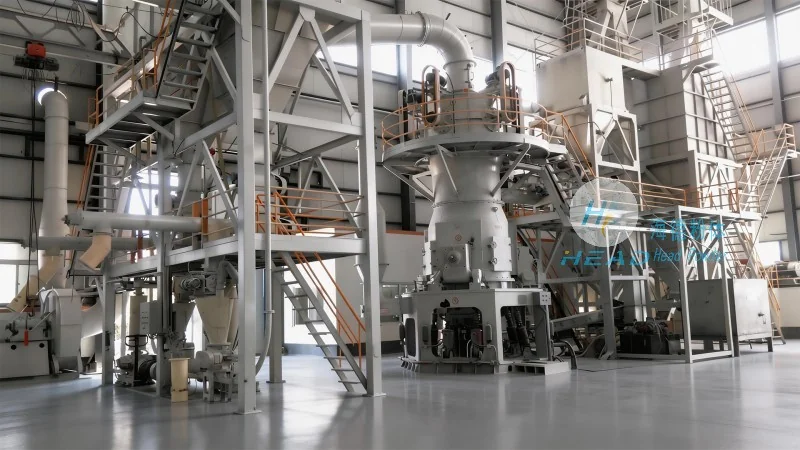
Key Components of Casting Gray Material Conveying Equipment
The design of casting gray material conveying equipment typically involves several essential components that work in tandem to facilitate material movement. These components include feed hoppers, conveyor belts or chains, idlers, drive mechanisms, and control systems. Feed hoppers are used to collect and store the casting gray material, ensuring a consistent supply to the conveyor system. Conveyor belts or chains are the primary means of transporting the material from one location to another, with idlers providing support and reducing friction. Drive mechanisms, such as electric motors and gearboxes, power the conveyor, while control systems allow for precise regulation of speed and direction. Each component is carefully engineered to withstand the abrasive nature of gray cast iron and the demanding conditions of industrial environments.
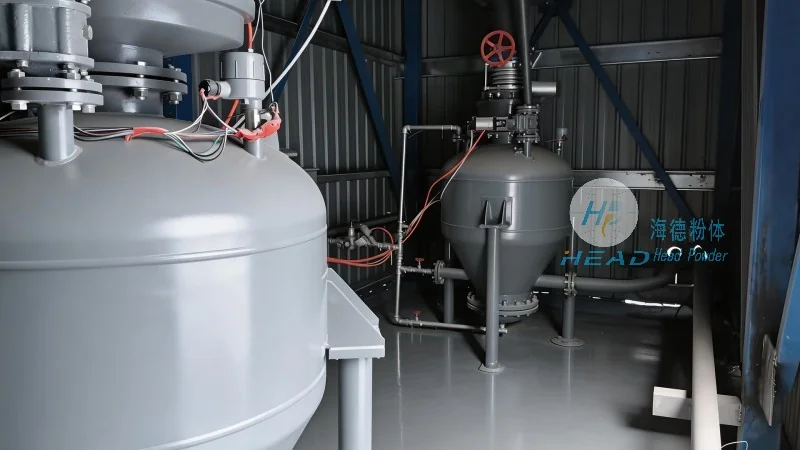
Design Principles for Efficient Material Handling
The design principles of casting gray material conveying equipment are centered on maximizing efficiency, durability, and safety. One key principle is the use of robust materials and construction to handle the abrasive and heavy nature of gray cast iron. The equipment is typically built with high-strength steel and reinforced structures to minimize wear and tear, ensuring long-term reliability. Another important principle is the optimization of material flow, which involves designing the conveyor system to minimize bottlenecks and ensure a smooth, continuous movement of the material. This includes considerations such as the angle of inclination, the speed of the conveyor, and the spacing of idlers to prevent material buildup or spillage. Additionally, the design incorporates safety features, such as emergency stop buttons and protective guards, to protect operators and prevent accidents. By adhering to these design principles, the conveying equipment can effectively handle large volumes of casting gray material while maintaining high performance and low maintenance costs.
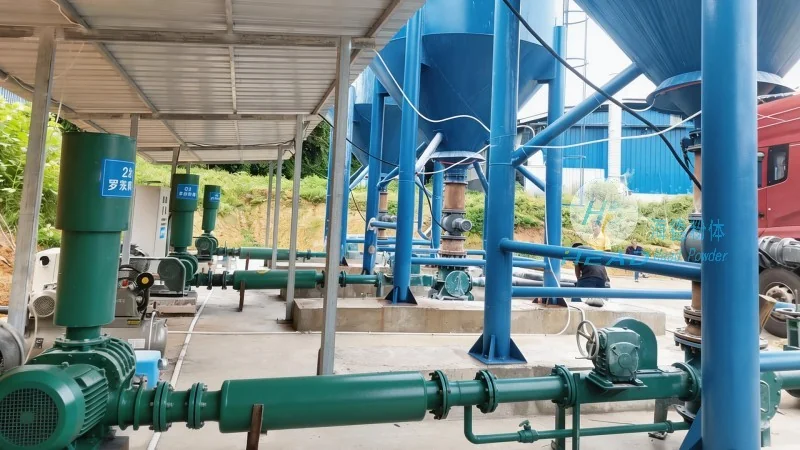
Application Scenarios and Operational Benefits
Casting gray material conveying equipment is widely used in various industrial applications, including foundries, casting shops, and material processing facilities. In foundries, it is used to transport molten metal, castings, and raw materials between different stages of the production process. In casting shops, it helps move finished castings from the molding area to the finishing and inspection stages. The operational benefits of using such equipment include increased productivity, reduced labor costs, and improved safety. By automating the material handling process, companies can achieve higher throughput and better control over their production schedules. Additionally, the equipment reduces the risk of workplace injuries associated with manual material handling, such as lifting heavy loads or operating machinery in hazardous conditions. The consistent and reliable operation of the conveying system also contributes to better quality control, as it minimizes the risk of material damage or contamination during transportation.
Customization and Integration with Production Systems
Many manufacturers of casting gray material conveying equipment offer customization options to meet the specific needs of their clients. This includes adjusting the size and capacity of the equipment to handle different volumes of material, modifying the conveyor speed to match production requirements, and integrating the equipment with existing production systems. Customization allows companies to optimize their material handling processes and improve overall efficiency. For example, a foundry might require a larger conveyor system to handle a higher volume of castings, while a smaller shop might opt for a more compact design. Integration with production systems, such as automated molding lines or quality control stations, ensures seamless operation and data flow between different stages of the production process. This integration enhances the overall efficiency of the manufacturing operation and allows for better monitoring and control of the production process.
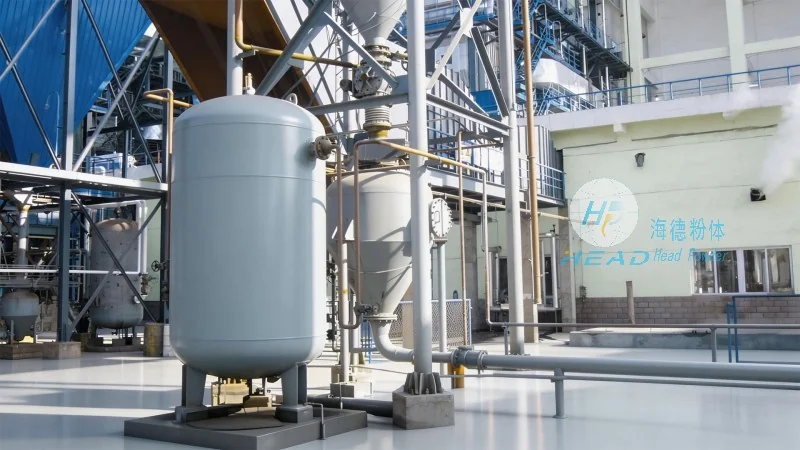
Maintenance and Longevity of the Equipment
Proper maintenance is crucial for ensuring the longevity and optimal performance of casting gray material conveying equipment. Regular maintenance tasks include cleaning the conveyor system to remove debris and dust, inspecting and replacing worn components such as idlers and belts, and checking the alignment and tension of the conveyor. These tasks help prevent breakdowns and extend the lifespan of the equipment. Additionally, using high-quality materials and components in the construction of the equipment contributes to its durability and resistance to wear and tear. Manufacturers often provide maintenance guidelines and support to help customers keep their equipment in good working condition. By following these guidelines and performing regular maintenance, companies can minimize downtime and maximize the return on their investment in the conveying equipment.




