When it comes to transporting steel and lime, selecting the right conveying method is crucial for efficiency, safety, and cost-effectiveness. In industrial settings, the choice of conveying system can significantly impact production workflows, material handling, and overall operational performance. This article explores common steel and lime conveying methods, with a focus on pneumatic conveying systems as a leading solution for handling these materials. We will delve into the principles, advantages, and practical applications of pneumatic conveying, highlighting how it addresses the unique challenges associated with steel and lime transport.
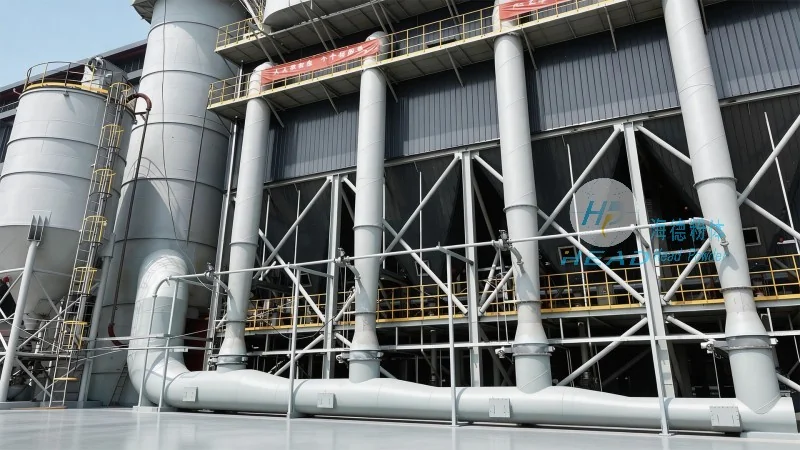
Introduction to Steel and Lime Conveying Systems
Steel and lime are essential materials in various industries, including steel manufacturing, chemical processing, and construction. These materials often require specialized handling due to their physical properties—steel is typically dense and abrasive, while lime is a fine, powdery substance that can be dusty and reactive. Conveying systems must be designed to accommodate these characteristics while ensuring minimal material loss, contamination, and operational risks. Traditional methods like belt conveyors or bucket elevators may struggle with fine powders like lime or abrasive steel particles, leading to increased maintenance costs and reduced efficiency. This is where pneumatic conveying systems offer a superior alternative.
Pneumatic Conveying as a Primary Method
Pneumatic conveying, also known as air-pneumatic transport, uses compressed air to move materials through a pipeline. This method is particularly effective for steel and lime because it can handle both bulk and fine materials, minimize dust exposure, and reduce the risk of material degradation. The system typically consists of a hopper for material storage, a blower or compressor to generate airflow, and a pipeline network that transports the material to the destination. For steel and lime, pneumatic conveying can be further categorized into pressure and vacuum systems, each with its own advantages depending on the application.
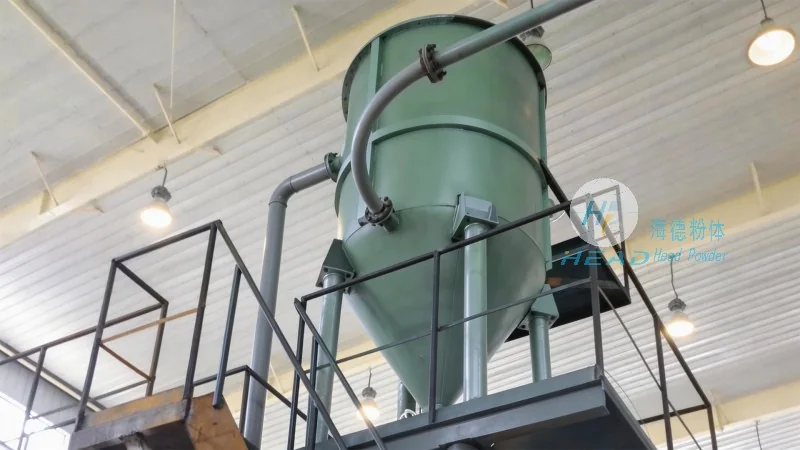
Advantages of Pneumatic Conveying for Steel and Lime Transport
One of the key benefits of pneumatic conveying is its ability to handle abrasive materials like steel without causing excessive wear on the system components. The enclosed pipeline design prevents dust from escaping into the environment, which is critical for maintaining air quality and complying with environmental regulations. Additionally, pneumatic systems can transport materials over long distances and through multiple points of discharge, making them ideal for complex industrial layouts. Another advantage is the reduced need for manual handling, as the system can operate continuously with minimal human intervention. This not only improves safety by minimizing exposure to dust and heavy materials but also enhances productivity by automating the transport process.
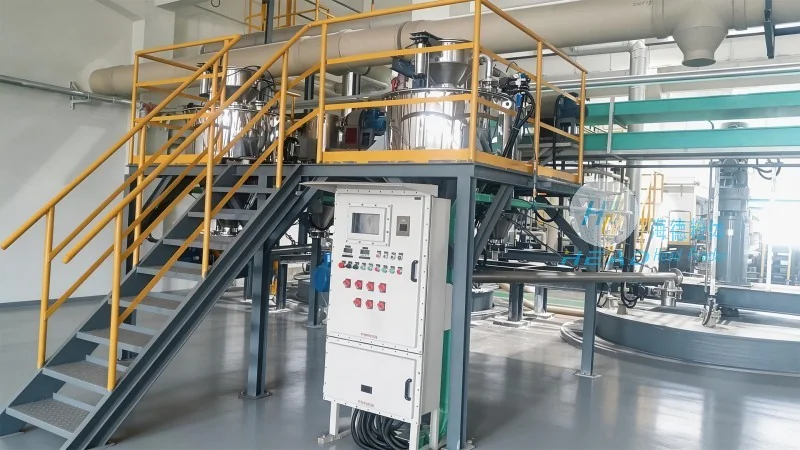
Application Scenarios and System Design Considerations
The design of a pneumatic conveying system for steel and lime depends on several factors, including the material characteristics, transport distance, and required flow rate. For example, a pressure system is often preferred for short to medium distances, as it uses high-pressure air to push the material through the pipeline. This is suitable for applications where the material is stored in a hopper and needs to be transported to a processing unit or storage area. A vacuum system, on the other hand, is better suited for longer distances or when the material needs to be collected from multiple sources. The system design also considers the size and shape of the particles—steel particles may be irregular and abrasive, while lime is fine and can create dust, so the pipeline and components must be chosen to withstand these conditions.
Conclusion: Choosing the Right Conveying Solution
When selecting a conveying method for steel and lime, it is essential to evaluate the specific requirements of the application. Pneumatic conveying systems, particularly those designed by specialized engineering companies like Shandong HeadPowder Engineering Co., Ltd. (headpowder), offer a reliable and efficient solution for handling these materials. By leveraging the advantages of pneumatic transport—such as enclosed handling, reduced dust exposure, and automated operation—industries can improve their operational efficiency and maintain compliance with safety and environmental standards. Whether for steel production, chemical processing, or construction, the right conveying system can make a significant difference in material handling performance. As a leading provider of industrial conveying solutions, Shandong HeadPowder Engineering Co., Ltd. specializes in designing and implementing customized pneumatic systems tailored to the unique needs of each client, ensuring optimal performance and long-term reliability.




