For those in the food processing industry, especially those dealing with rice bran, the efficient and reliable transportation of this fine powder is crucial. The pneumatic conveying line for rice bran powder, developed by Shandong HeadPowder Engineering Co., Ltd. (hereinafter referred to as headpowder), is a specialized system designed to handle the unique challenges of moving rice bran from storage to processing equipment. This article will detail the operation process and working principle of this system, providing a comprehensive understanding of its functionality and benefits.
Company Overview and Product Introduction
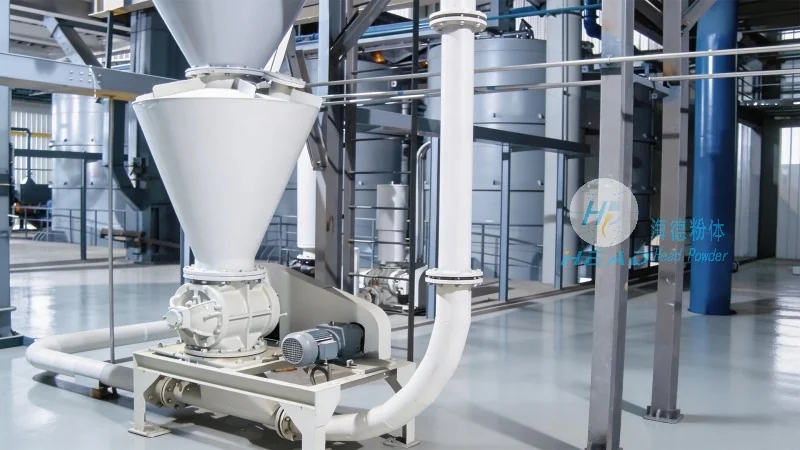
Shandong HeadPowder Engineering Co., Ltd., a leading manufacturer in the field of powder handling technology, specializes in designing and manufacturing pneumatic conveying systems for various industrial applications. With a base in Shandong, China, headpowder leverages advanced engineering and manufacturing capabilities to deliver high-performance solutions tailored to customer needs. The rice bran powder pneumatic conveying line is one of their flagship products, engineered to meet the stringent requirements of food processing and ensure the safe, hygienic, and efficient transfer of rice bran.
Working Principle of the Pneumatic Conveying System
The core of the rice bran powder pneumatic conveying line is the air-based transport mechanism. This system operates by using compressed air to create a flow that moves the rice bran powder through a network of pipes and components. The process begins with the material being fed into a hopper or feeder, where it is then introduced into the conveying line. The compressed air, typically generated by a blower or compressor, is introduced into the system, creating a pressure differential that propels the powder particles forward. The design of the system includes various components such as the hopper, feeder, pipeline, and receiving vessel, each playing a critical role in the overall operation.
Step-by-Step Operation Process
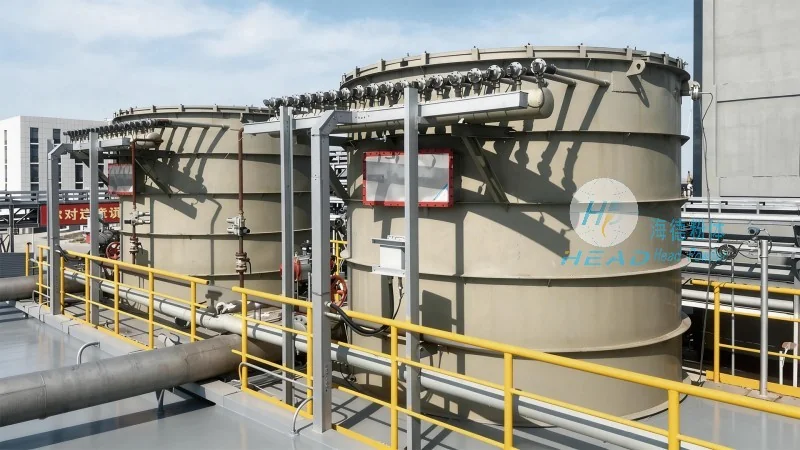
The operation of the rice bran powder pneumatic conveying line involves several key steps, each designed to ensure optimal performance and material handling. The first step is the preparation phase, where the rice bran is collected and stored in a suitable container. The system then initiates the feeding process, where the feeder controls the flow rate of the powder into the conveying line. As the compressed air is activated, it creates a suction or pressure flow, depending on the system configuration, to move the powder through the pipeline. The conveying line may include bends, valves, and filters to ensure smooth transport and prevent blockages. The receiving vessel at the end of the line collects the transported rice bran, completing the process. The entire operation is typically automated, with controls that monitor pressure, flow rate, and other parameters to maintain consistent performance.
Key Components and Their Functions
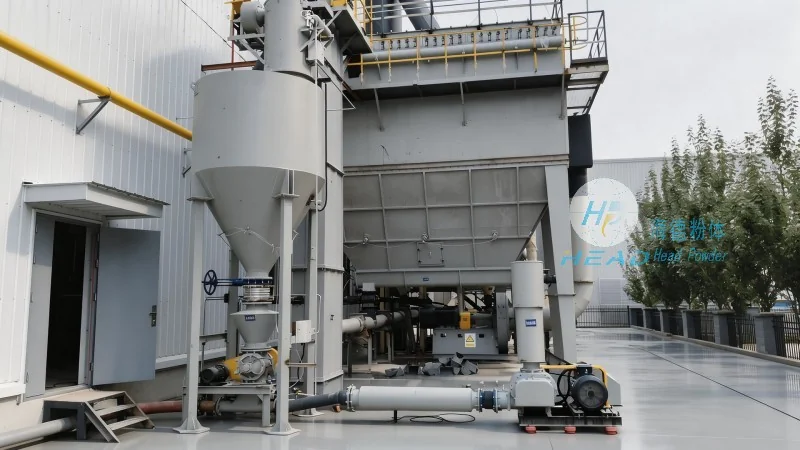
To understand the working principle fully, it is essential to examine the key components of the pneumatic conveying line. The hopper serves as the storage and feeding unit, ensuring a consistent supply of rice bran to the system. The feeder, often a rotary valve or screw feeder, regulates the material flow rate, preventing overloading and maintaining stable operation. The blower or compressor provides the necessary compressed air, which is critical for creating the pressure differential needed for conveying. The pipeline network connects all components and transports the powder from the feeder to the receiving vessel. Valves are used to control the flow direction and pressure within the system, while filters and cyclones separate any fine particles or debris from the air, ensuring clean operation and preventing system damage. The receiving vessel collects the final product and may include a discharge mechanism to transfer the rice bran to the next processing stage.
Advantages and Benefits of the System
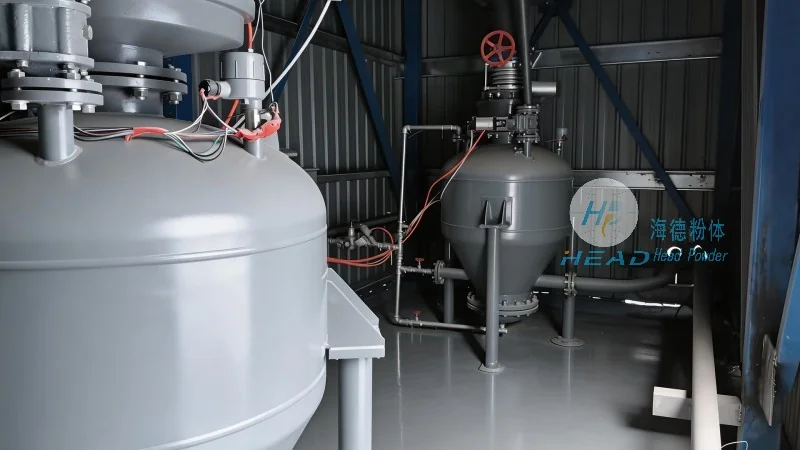
The rice bran powder pneumatic conveying line offers several advantages over traditional methods of material handling. One of the primary benefits is the ability to handle fine, dusty materials like rice bran without the need for mechanical components that can cause contamination or blockages. The system is also highly efficient, with minimal material loss and reduced labor costs compared to manual handling. Additionally, the pneumatic conveying line is designed for easy integration into existing production lines, allowing for seamless operation and minimal downtime. The hygienic design of the system, with smooth surfaces and easy-to-clean components, ensures compliance with food safety regulations, making it suitable for the food processing industry. Overall, the system provides a reliable and cost-effective solution for the transportation of rice bran powder, enhancing productivity and operational efficiency.
Conclusion
In conclusion, the pneumatic conveying line for rice bran powder, developed by Shandong HeadPowder Engineering Co., Ltd., is a sophisticated system that efficiently handles the unique challenges of transporting fine powder materials. Through its air-based operation and automated controls, the system ensures consistent performance, minimal material loss, and compliance with industry standards. With its robust design and advanced components, this system is an essential tool for food processing facilities dealing with rice bran, providing a reliable and efficient solution for material handling. As a leading manufacturer in the field, headpowder continues to innovate and improve its products to meet the evolving needs of the industry.




