The white bean slice powder pneumatic conveying line is a specialized system designed for the efficient and safe transportation of white bean slice powders in industrial settings. As a key component in food processing and material handling, this line ensures the seamless movement of the product from storage to processing or packaging stages. Developed by Shandong HeadPowder Engineering Co., Ltd., a leading manufacturer in the field, this system combines advanced engineering with practical application to meet the demands of modern production lines.
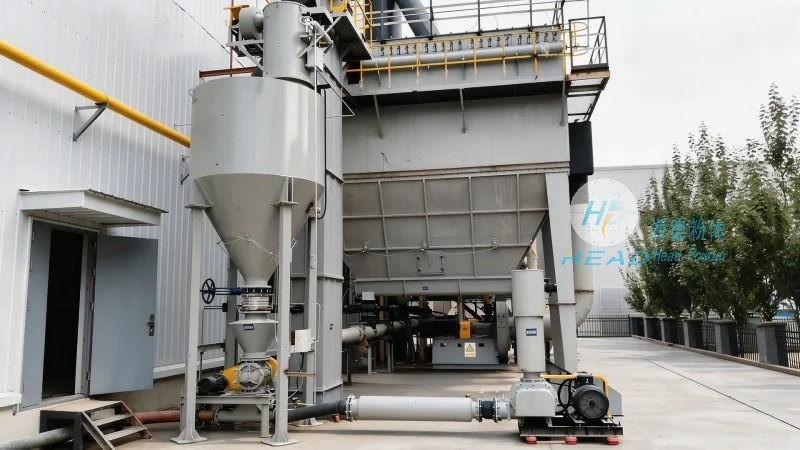
Key Components of the Pneumatic Conveying System
The white bean slice powder pneumatic conveying line consists of several critical components that work in tandem to achieve effective material transport. These include the hopper for material storage, the air compressor or blower that generates the necessary air pressure, the conveying pipes that carry the material, and the control system that regulates the flow. Each component is carefully selected and integrated to ensure optimal performance and reliability. The hopper is designed to hold a sufficient quantity of white bean slice powder, providing a consistent feed to the system. The air compressor, often a positive displacement type, generates the pressure needed to move the powder through the pipes. The conveying pipes are typically made of stainless steel or other corrosion-resistant materials to maintain the quality of the white bean slice powder. The control system allows operators to monitor and adjust the conveying rate, ensuring precise control over the material flow.
Operation Process of the Pneumatic Conveying Line
The operation of the white bean slice powder pneumatic conveying line follows a systematic process that ensures efficient material handling. The process begins with the loading of white bean slice powder into the hopper. Once the hopper is filled, the air compressor is activated, creating a pressure differential that draws the powder into the conveying pipes. The powder is then carried through the pipes by the moving air, which can be either positive or negative pressure depending on the system design. The conveying rate is controlled by adjusting the air pressure or the feed rate from the hopper. The material is discharged at the receiving end, typically into a processing or packaging unit. The system is equipped with safety features such as pressure relief valves and particle filters to prevent over-pressurization and maintain air quality. Regular maintenance, including cleaning of the pipes and filters, is essential to ensure the long-term performance and reliability of the line.
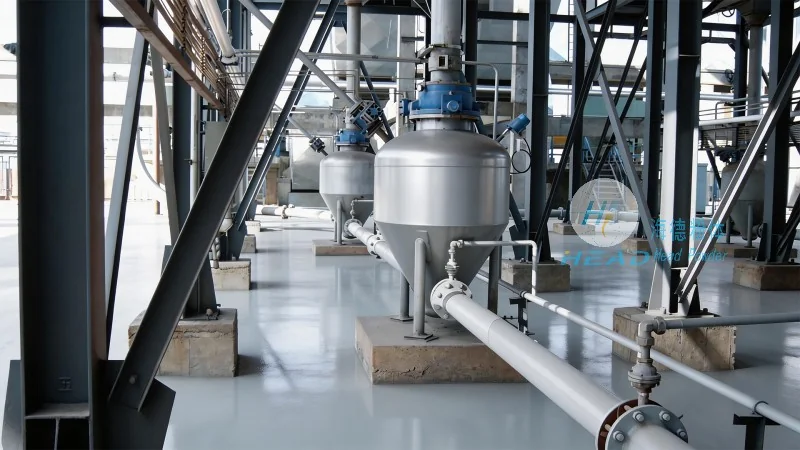
Working Principle of the Pneumatic Conveying System
The working principle of the white bean slice powder pneumatic conveying line is based on the use of air to transport the material. There are two main types of pneumatic conveying systems: positive pressure and negative pressure. In a positive pressure system, the air compressor pushes air and powder through the pipes, while in a negative pressure system, the air is drawn from the receiving end to create a vacuum that pulls the powder. For white bean slice powder, a positive pressure system is often preferred as it provides better control over the material flow and reduces the risk of dust accumulation. The system operates by creating a pressure difference between the hopper and the receiving end. The air compressor generates a higher pressure in the hopper, which forces the white bean slice powder to move through the pipes. The velocity of the air is carefully controlled to ensure that the powder particles are carried without causing excessive wear on the pipes or equipment. The material is then separated from the air at the receiving end, often using a cyclone separator or a filter, and collected for further processing. The working principle is designed to minimize product degradation and maintain the quality of the white bean slice powder throughout the conveying process.
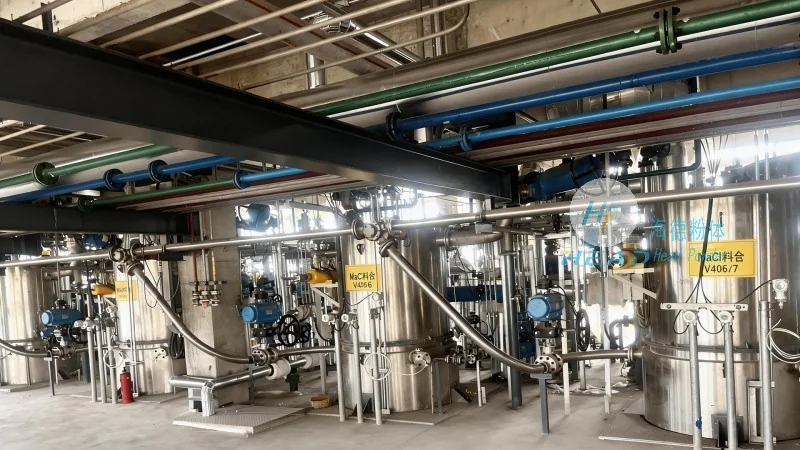
Advantages of the White Bean Slice Powder Pneumatic Conveying Line
Implementing a white bean slice powder pneumatic conveying line offers several advantages for industrial operations. One of the primary benefits is the ability to transport the material in a closed system, which helps to prevent contamination and dust dispersion. This is particularly important for food products like white bean slice powder, where hygiene and quality are critical. The system also allows for the integration of multiple processing steps, such as mixing, drying, or packaging, into a single, continuous process. This reduces the need for manual handling and improves overall efficiency. Additionally, the pneumatic conveying line is compact and can be installed in various production layouts, making it suitable for both new and existing facilities. The system is also energy-efficient compared to traditional methods like bucket elevators or belt conveyors, as it uses less power to move the material over longer distances. Finally, the system is easy to maintain and operate, with minimal downtime required for routine maintenance.
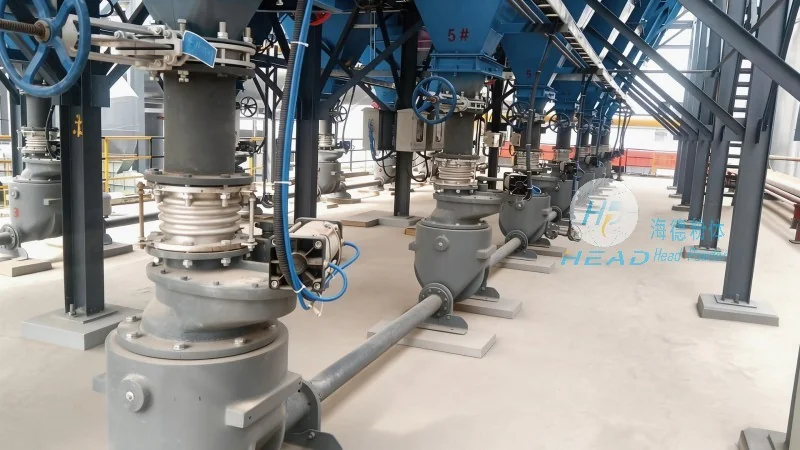
Applications and Industries
The white bean slice powder pneumatic conveying line is widely used in various industries that handle powders and granules. In the food processing industry, it is commonly used for the transportation of white bean slice powder from storage to processing units, such as milling or mixing. The system is also used in the pharmaceutical industry for the handling of powdered ingredients, where hygiene and contamination control are paramount. Additionally, it is applied in the chemical and agricultural sectors for the transport of various powders, including fertilizers and agricultural products. The versatility of the system makes it suitable for a wide range of applications, from small-scale production to large industrial facilities. The system's ability to handle different powder characteristics, such as particle size and moisture content, makes it a reliable choice for various industrial needs.
Maintenance and Troubleshooting
Proper maintenance is essential to ensure the optimal performance and longevity of the white bean slice powder pneumatic conveying line. Regular maintenance tasks include cleaning the hopper and conveying pipes to prevent clogging, checking the air compressor for proper operation, and inspecting the filters and cyclone separators for blockages. The system should be inspected regularly for any signs of wear or damage, such as leaks or corrosion. If the conveying rate decreases or the system experiences pressure drops, it may indicate a blockage in the pipes or a problem with the air compressor. In such cases, the system should be shut down and inspected to identify and resolve the issue. Common troubleshooting steps include clearing blockages, adjusting the air pressure, and replacing worn parts. By following a regular maintenance schedule and addressing issues promptly, the system can operate efficiently and reliably for an extended period.




