Fracturing sand powder pneumatic conveying lines are critical components in the oil and gas industry, designed to efficiently transport frac sand—a key material used in hydraulic fracturing operations. These systems are engineered to handle the unique challenges of moving abrasive, high-density particles over long distances with minimal wear and energy consumption. The following content provides a detailed overview of the operation process and working principles of such systems, presented by Shandong HeadPowder Engineering Co., Ltd., a leading provider of powder handling solutions based in China.
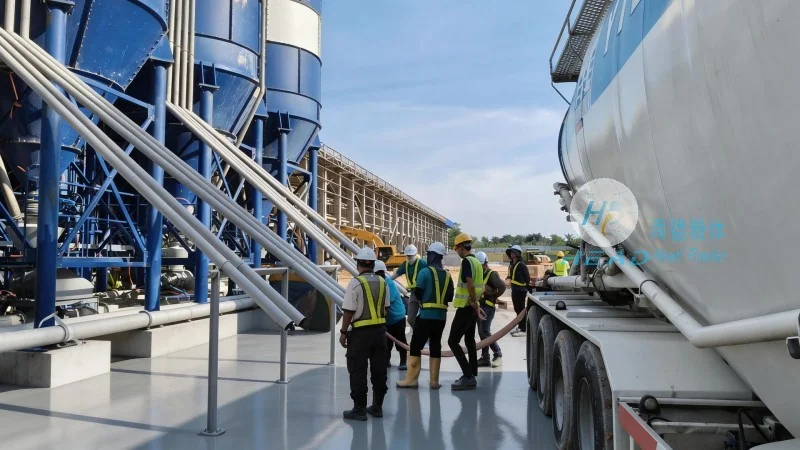
Introduction to Fracturing Sand Pneumatic Conveying Systems
Shandong HeadPowder Engineering Co., Ltd., headquartered in Shandong, China, specializes in the design, manufacturing, and implementation of advanced pneumatic conveying systems. Our expertise lies in developing customized solutions for the transportation of frac sand, which is essential for maintaining the productivity and efficiency of hydraulic fracturing processes. The pneumatic conveying line operates by using a pressurized or vacuum air stream to move the sand particles through a network of pipes, ensuring a continuous and reliable supply of material to the well site.
Core Components and Their Functions
The pneumatic conveying system for frac sand typically consists of several key components, each playing a vital role in the overall operation. The primary components include:
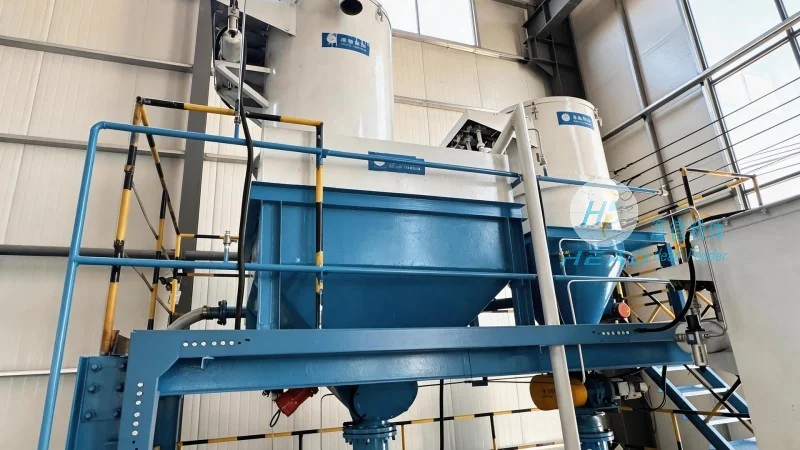
- Feeder: The feeder is responsible for accurately and consistently feeding the frac sand into the conveying line. It ensures a steady flow of material, preventing blockages and maintaining system efficiency.
- Conveying Pipe: The pipe network forms the main pathway for transporting the sand particles. These pipes are often made of high-strength materials like stainless steel or special alloys to withstand the abrasive nature of the sand and the pressure of the air stream.
- Air Compressor or Vacuum System: This component generates the necessary pressure or vacuum to move the sand particles through the pipe. The choice between a positive pressure system (air compressor) and a negative pressure system (vacuum pump) depends on the specific application requirements, such as the distance and layout of the conveying line.
- Separation and Dust Collection System: At the receiving end of the line, the system separates the sand particles from the air stream. This is typically achieved using cyclone separators or baghouse filters, which collect the sand and return it to the process while capturing any dust particles to prevent environmental contamination.
- Control System: Modern pneumatic conveying lines are equipped with advanced control systems that monitor and regulate parameters such as pressure, flow rate, and temperature. These systems ensure optimal performance, prevent equipment damage, and allow for remote monitoring and maintenance.
Working Principle of the Pneumatic Conveying Process
The fundamental principle of pneumatic conveying is the use of an air stream to entrain and transport solid particles. In the case of frac sand, the process involves the following steps:
- Material Loading: The frac sand is loaded into the feeder from a storage silo or hopper. The feeder then meters the material at a controlled rate into the conveying pipe.
- Air Injection: Compressed air is introduced into the conveying pipe at a specific point, creating a high-velocity air stream. The air stream entrains the sand particles, forming a slurry of sand and air.
- Particle Suspension: The sand particles are suspended in the air stream as they travel through the pipe. The velocity of the air must be sufficient to overcome the gravitational force acting on the particles, ensuring they remain in suspension.
- Transportation: The air-sand mixture is transported through the entire length of the conveying line, from the loading point to the receiving point. The pipe layout may include bends, vertical sections, and horizontal runs, all designed to minimize pressure loss and maintain the flow.
- Separation and Discharge: At the receiving end, the air stream is directed into a separation device (e.g., a cyclone). The centrifugal force in the cyclone separates the sand particles from the air, causing the sand to fall into a collection bin. The cleaned air is then discharged to the atmosphere or recirculated back into the system.
Operation Process and Key Considerations
The operation of a frac sand pneumatic conveying line involves a series of steps that ensure smooth and efficient performance. The process typically begins with system startup, where the air compressor is activated and the feeder is set to the desired flow rate. During operation, the control system continuously monitors the pressure and flow parameters to maintain optimal conditions. If any issues arise, such as a blockage or pressure drop, the system will trigger alarms or automatically adjust settings to prevent damage.
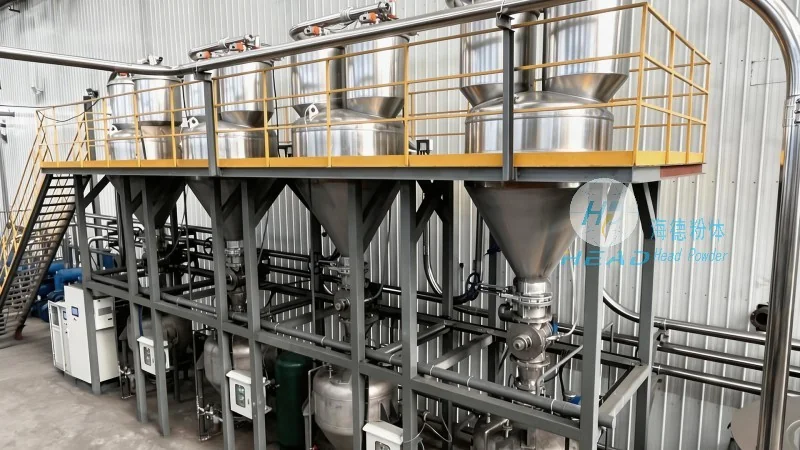
Key considerations for the successful operation of these systems include:
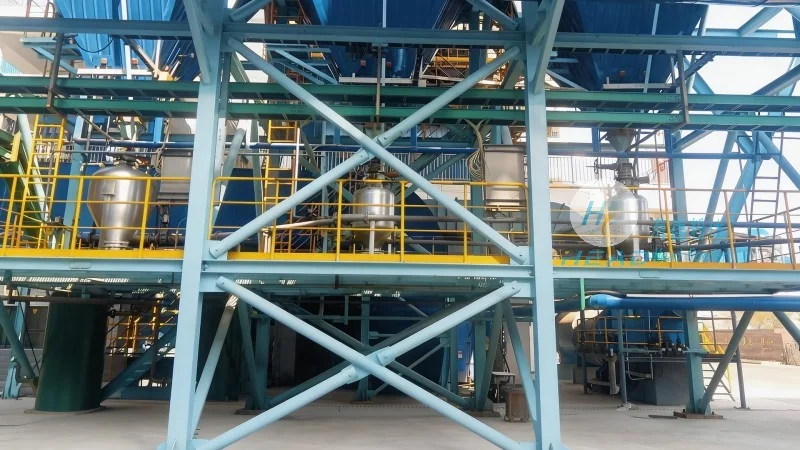
- Material Properties: The characteristics of the frac sand, such as particle size, density, and abrasiveness, must be considered when selecting the appropriate equipment and system design. For example, finer particles may require higher air velocities to maintain suspension.
- System Sizing: Proper sizing of the conveying pipe, air compressor, and separation equipment is critical to ensure the system operates within its design parameters. Oversizing or undersizing can lead to inefficiencies, increased energy consumption, or equipment failure.
- Maintenance: Regular maintenance is essential to ensure the longevity and reliability of the system. This includes cleaning the conveying pipes, replacing worn parts, and inspecting the separation and dust collection equipment.
- Environmental Compliance: The system must comply with local environmental regulations regarding dust emissions. The dust collection system must be efficient in capturing particulate matter to prevent air pollution and ensure workplace safety.
Advantages of Fracturing Sand Pneumatic Conveying Lines
Compared to traditional mechanical conveying methods (such as belt conveyors or screw conveyors), pneumatic conveying systems offer several advantages for frac sand transportation:
- High Efficiency: Pneumatic systems can transport frac sand over long distances with minimal energy loss, making them ideal for large-scale operations.
- Low Maintenance: The absence of moving parts in the conveying line reduces wear and tear, resulting in lower maintenance costs and longer equipment life.
- Flexibility: The system can be easily reconfigured or expanded to accommodate changes in production requirements or well site layout.
- Reduced Downtime: The continuous operation of pneumatic systems minimizes downtime compared to mechanical systems that may require frequent stops for maintenance or material loading.
Conclusion
Fracturing sand powder pneumatic conveying lines are sophisticated systems that play a crucial role in the hydraulic fracturing process. By leveraging advanced engineering and material handling technologies, these systems ensure the efficient and reliable transportation of frac sand, contributing to the productivity and success of oil and gas operations. Shandong HeadPowder Engineering Co., Ltd. continues to innovate in this field, providing customized solutions that meet the evolving needs of the industry.




