For agricultural and industrial applications, efficient and reliable material handling is crucial, especially when dealing with bulk materials like fertilizer powders. The fertilizer powder pneumatic conveying machine, a sophisticated piece of equipment, plays a vital role in transporting these materials with precision and minimal loss. This article delves into the operation process and working principle of such machines, highlighting their importance in modern material handling systems.
Understanding the Working Principle of Pneumatic Conveying Systems
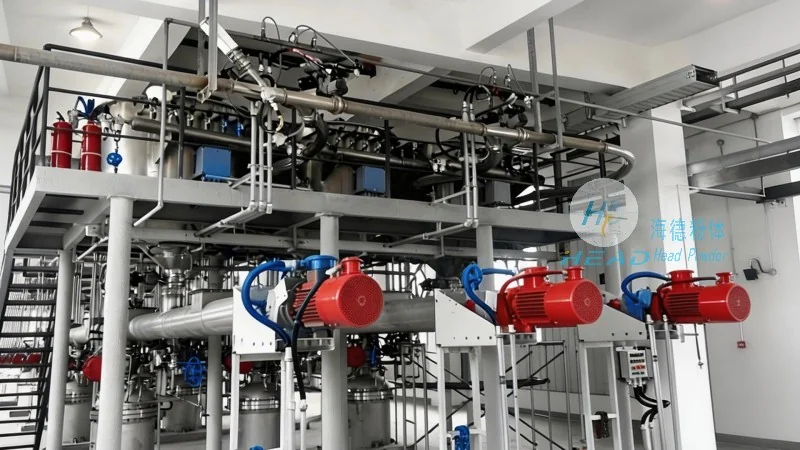
The core of a fertilizer powder pneumatic conveying machine lies in its ability to use air pressure to move dry bulk materials. The system typically operates on the principle of creating a pressure differential between the inlet and outlet. By injecting air into the conveying line, the machine generates a flow that propels the powder particles through the system. This method eliminates the need for mechanical components like belts or buckets, reducing maintenance and increasing operational efficiency. The machine's design ensures that the powder is transported in a controlled manner, minimizing segregation and degradation of the material.
The Step-by-Step Operation Process
The operation of a fertilizer powder pneumatic conveying machine involves several key steps that ensure smooth and continuous material transport. First, the powder is fed into the hopper or inlet chamber. The feeder then meters the material into the conveying line at a consistent rate. Simultaneously, a fan or blower generates the necessary air pressure, creating a vacuum or positive pressure within the system. The air and powder mixture travels through the pipeline to the discharge point. At the end of the line, a separator or cyclone separates the powder from the air, allowing the powder to be deposited at the desired location while the air is either recirculated or vented. This process is continuous, with the machine maintaining a steady flow of material as long as the feed and air supply are consistent.
Key Components and Their Functions
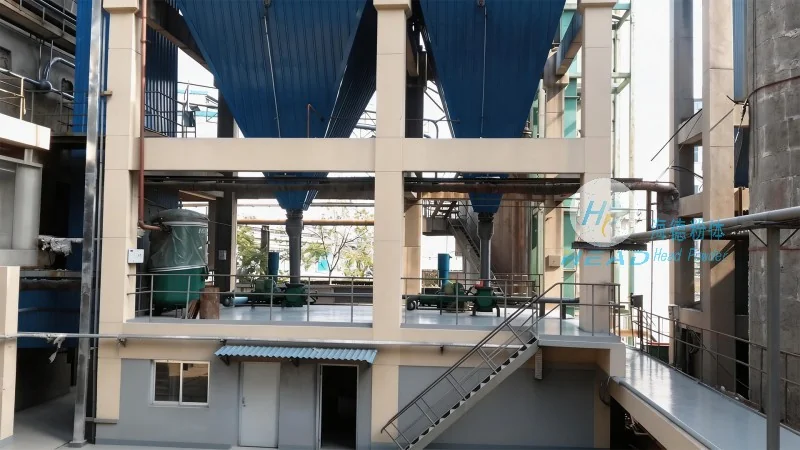
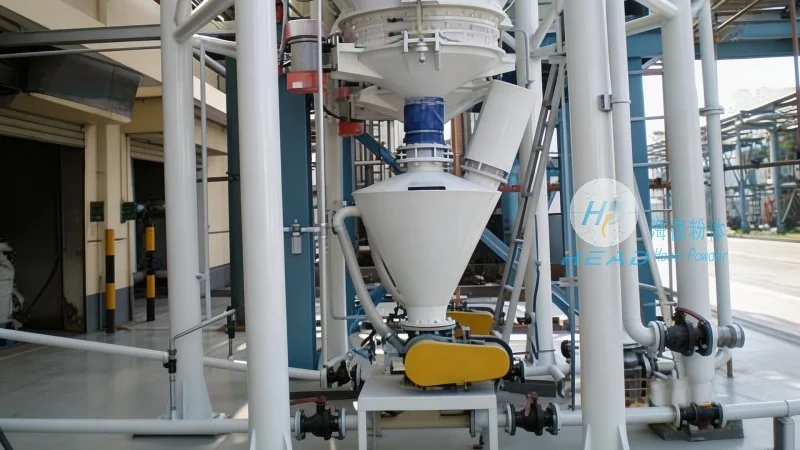
Several critical components work in tandem to ensure the efficient operation of the fertilizer powder pneumatic conveying machine. The hopper or inlet chamber serves as the storage and feeding unit, holding the bulk powder and regulating its flow into the system. The feeder, often a rotary valve or screw feeder, controls the rate of material discharge, ensuring a consistent feed rate. The fan or blower is the power source, generating the air pressure required to move the material. The conveying line, usually made of stainless steel or other corrosion-resistant materials, transports the powder and air mixture. The separator or cyclone is essential for separating the powder from the air, preventing dust accumulation and ensuring the material is delivered to the target location without contamination. Additionally, filters and silencers may be included to manage air quality and noise levels.
Advantages of Using Pneumatic Conveying for Fertilizer Transport
Employing a fertilizer powder pneumatic conveying machine offers numerous advantages over traditional mechanical methods. One of the primary benefits is the reduction in material degradation and segregation, as the material is handled gently and in a closed system. This is particularly important for fertilizers, which can be sensitive to moisture and temperature changes. The system also minimizes labor costs and operational downtime, as there are fewer moving parts and less maintenance required. Furthermore, the ability to transport materials over long distances without the need for intermediate storage points enhances operational flexibility. The closed system design also improves safety by preventing dust emissions and reducing the risk of fire or explosion, which is critical when handling powders that may be combustible.
Applications in the Fertilizer Industry
Fertilizer powder pneumatic conveying machines are widely used in various stages of the fertilizer production and distribution process. In manufacturing facilities, they are used to transport raw materials from storage silos to processing units, ensuring a continuous supply of feedstock. During the blending process, the machine can transport different types of fertilizers to the mixing chamber, maintaining the required ratios. In packaging and storage, the system efficiently moves finished products from the production line to storage silos or shipping containers. The ability to handle large volumes of material quickly and reliably makes these machines indispensable in modern fertilizer plants, where efficiency and consistency are paramount.
Maintenance and Operational Considerations
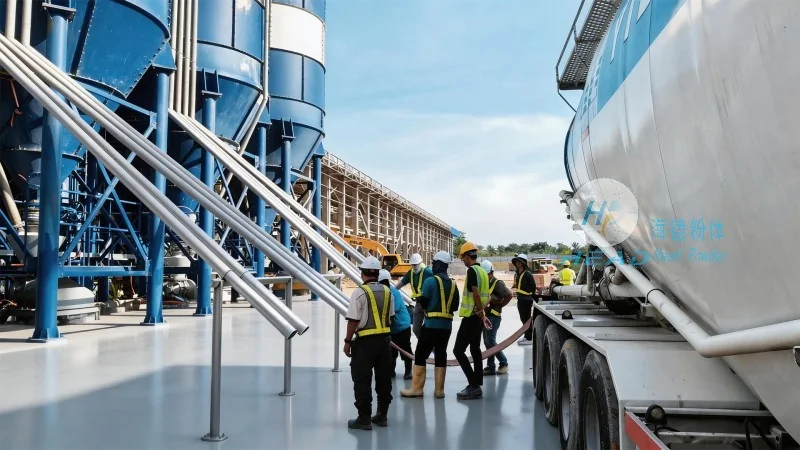
To ensure optimal performance and longevity of the fertilizer powder pneumatic conveying machine, regular maintenance is essential. This includes checking the fan or blower for proper operation, inspecting the conveying line for blockages or wear, and cleaning the separator and filters regularly. The hopper and feeder should also be inspected for any buildup of material or debris that could affect the feed rate. Proper lubrication of moving parts and monitoring of air pressure and flow rates are also important. By adhering to a regular maintenance schedule, users can minimize downtime and extend the lifespan of the equipment. Additionally, training operators on the proper use and operation of the machine is crucial to prevent accidents and ensure safe and efficient operation.
Conclusion
The fertilizer powder pneumatic conveying machine is a vital component in modern material handling systems, particularly for the transportation of bulk fertilizers. Its operation, based on the principles of air pressure and controlled flow, offers numerous advantages over traditional methods, including reduced material degradation, lower maintenance costs, and improved safety. By understanding the working principle and operation process, users can optimize the performance of these machines and enhance their operational efficiency. As a leading manufacturer in this field, Shandong HeadPowder Engineering Co., Ltd. specializes in providing high-quality pneumatic conveying solutions tailored to the specific needs of the fertilizer industry, ensuring reliable and efficient material transport for their clients.




