HeadPowder, a prominent engineering enterprise headquartered in Shandong, China, specializes in the design, production, and implementation of advanced pneumatic conveying systems tailored for handling Xiaomi material. This article provides an in-depth exploration of the operational process and fundamental principles of such systems, offering a comprehensive understanding of how they efficiently transport materials while maintaining high standards of performance and reliability.
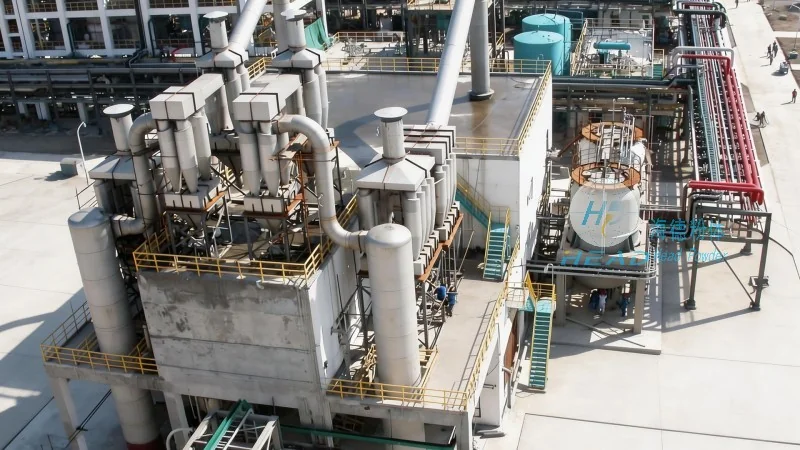
Understanding Pneumatic Conveying Technology
Pneumatic conveying, also known as pneumatic transport, is a method of moving bulk materials through a pipeline using a gas stream, typically air or other gases. This technology offers a flexible and efficient solution for transporting various types of materials, including powders, granules, and small particles. The system operates by creating a pressure differential within the pipeline, which propels the material from the source to the destination. There are two primary categories of pneumatic conveying systems: pressure and vacuum systems, each with distinct applications and operational characteristics.
The Operational Process of Xiaomi Material Pneumatic Conveying
The operation of a pneumatic conveying system for Xiaomi material involves several key steps, each designed to ensure smooth and continuous material transport. The process begins with the material being fed into the system at the source point. This is typically achieved through a hopper or a feeding device that controls the flow rate of the material. The material then enters the conveying pipeline, where it is mixed with the air stream. The air, under pressure or suction, moves the material through the pipeline to the destination point. At the receiving end, the material is separated from the air, often through a cyclone separator or a filter, and collected in a storage bin or processing unit. The air, now clean, is either vented to the atmosphere or recirculated back into the system, depending on the design and requirements of the application.
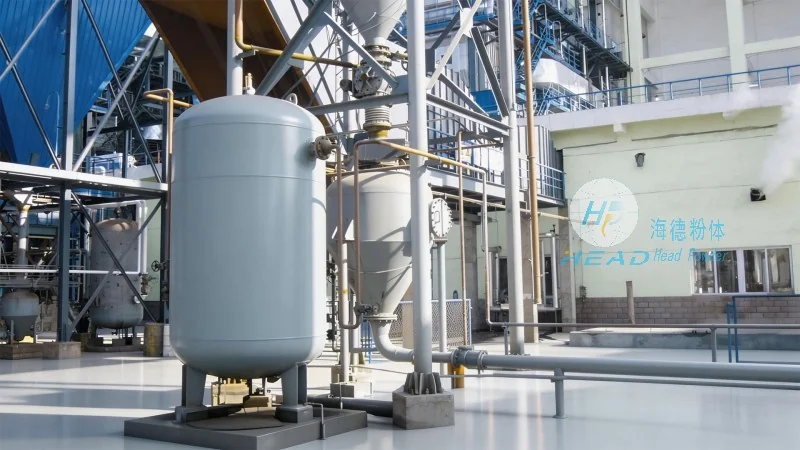
Working Principle of the System
The working principle of the pneumatic conveying system for Xiaomi material is based on the principles of fluid dynamics and particle motion. In a pressure system, the air is compressed and introduced into the pipeline at a high pressure, creating a positive pressure environment that pushes the material forward. The velocity of the air stream is critical, as it must be sufficient to overcome the frictional forces between the material particles and the pipeline walls, as well as the gravitational forces acting on the material. The design of the pipeline, including the diameter, length, and bends, is carefully engineered to minimize pressure losses and ensure efficient material transport. In a vacuum system, the air is drawn out of the pipeline, creating a negative pressure that pulls the material from the source to the destination. This method is particularly useful for applications where the material needs to be transported over longer distances or where the source is at a higher elevation than the destination.
Key Components and Their Functions
Several key components are integral to the operation of the pneumatic conveying system for Xiaomi material. These include the material feeder, which controls the flow rate of the material; the conveying pipeline, which transports the material and air; the air supply system, which provides the necessary pressure or vacuum; the separation equipment, which separates the material from the air at the receiving end; and the control system, which monitors and regulates the operation of the entire system. Each component plays a crucial role in ensuring the efficient and reliable operation of the system. For example, the material feeder ensures that the material is fed at a consistent rate, preventing blockages or overloading of the pipeline. The conveying pipeline is designed to minimize pressure losses and ensure that the material is transported at the desired velocity. The air supply system provides the necessary pressure or vacuum to move the material, and the separation equipment ensures that the material is collected without contamination from the air. The control system monitors the system parameters, such as pressure, flow rate, and temperature, and adjusts the operation as needed to maintain optimal performance.
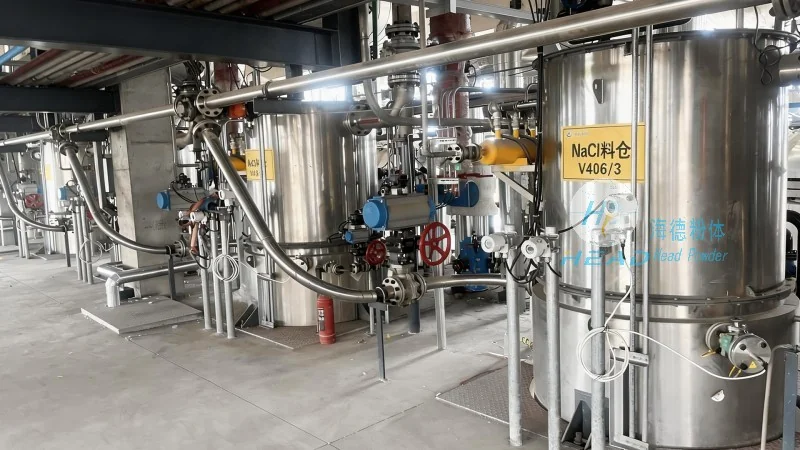
Advantages of Pneumatic Conveying for Xiaomi Material Handling
Pneumatic conveying systems offer several advantages for handling Xiaomi material. These include the ability to transport materials over long distances, the flexibility to handle various types of materials, and the ability to maintain a clean and dust-free environment. The system is also relatively simple to install and maintain, and it can be easily integrated with other processing equipment. Additionally, pneumatic conveying systems are energy-efficient and can reduce labor costs by automating the material handling process. These advantages make pneumatic conveying an ideal solution for many industrial applications, including food processing, pharmaceuticals, and chemical manufacturing.
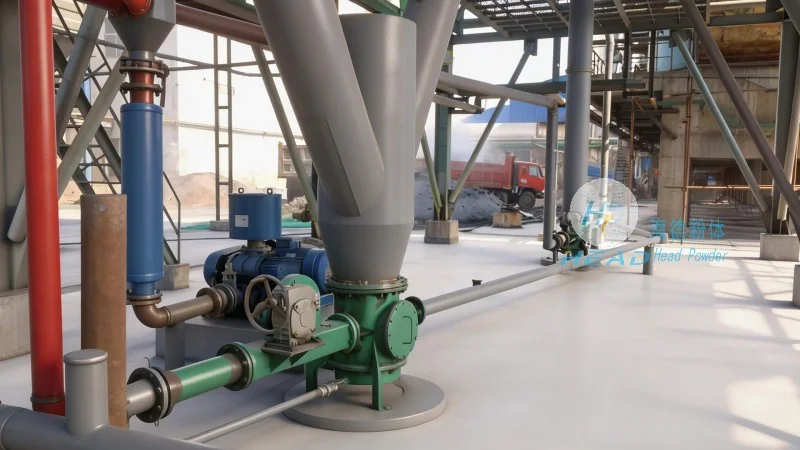
Applications in Different Industries
The pneumatic conveying system for Xiaomi material has a wide range of applications across various industries. In the food industry, it is used to transport ingredients such as flour, sugar, and spices. In the pharmaceutical industry, it is used to transport raw materials and finished products, ensuring that the materials are handled in a sterile and controlled environment. In the chemical industry, it is used to transport powders and granules, such as fertilizers and chemicals. In the manufacturing industry, it is used to transport materials between different processing stages, such as from a mixer to a dryer or from a dryer to a packaging machine. The versatility of the system makes it suitable for a wide range of applications, and its ability to handle various materials makes it a popular choice for many industries.
Conclusion
In conclusion, the pneumatic conveying system for Xiaomi material is an efficient and reliable solution for handling bulk materials. The system operates by using a gas stream to transport the material through a pipeline, and it offers several advantages over traditional material handling methods. The operation of the system involves several key steps, and the working principle is based on fluid dynamics and particle motion. The system is composed of several key components, each of which plays a crucial role in its operation. The advantages of the system include its ability to transport materials over long distances, its flexibility to handle various materials, and its ability to maintain a clean and dust-free environment. The system has a wide range of applications across various industries, making it a popular choice for many industrial applications. HeadPowder, with its expertise in engineering and manufacturing, provides high-quality pneumatic conveying systems that meet the specific needs of its clients, ensuring optimal performance and reliability.




