Understanding the operation process and working principle of ash material pneumatic conveying is crucial for optimizing industrial processes in power plants and other facilities that generate large volumes of ash. This article provides a detailed overview of the key components, mechanisms, and operational aspects of pneumatic conveying systems designed for handling ash materials efficiently and reliably, as offered by Shandong HeadPowder Engineering Co., Ltd.
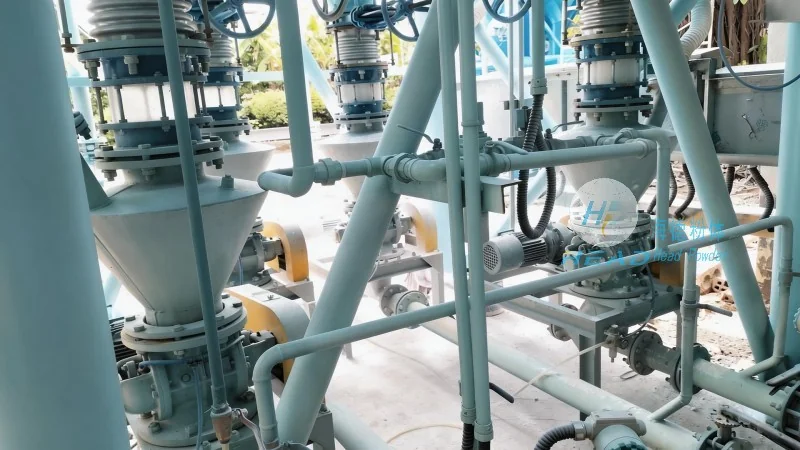
Key Components of Pneumatic Conveying Systems
The core components of an ash material pneumatic conveying system include the ash hopper, feeder, air compressor, conveying pipeline, and discharge unit. The ash hopper stores the raw ash material, while the feeder ensures a consistent flow of material into the system. The air compressor generates the necessary air pressure to transport the ash particles through the pipeline. The conveying pipeline, typically made of stainless steel or other corrosion-resistant materials, is designed to withstand the abrasive nature of ash particles. The discharge unit, such as a rotary valve or a dust collector, collects the ash at the destination point.
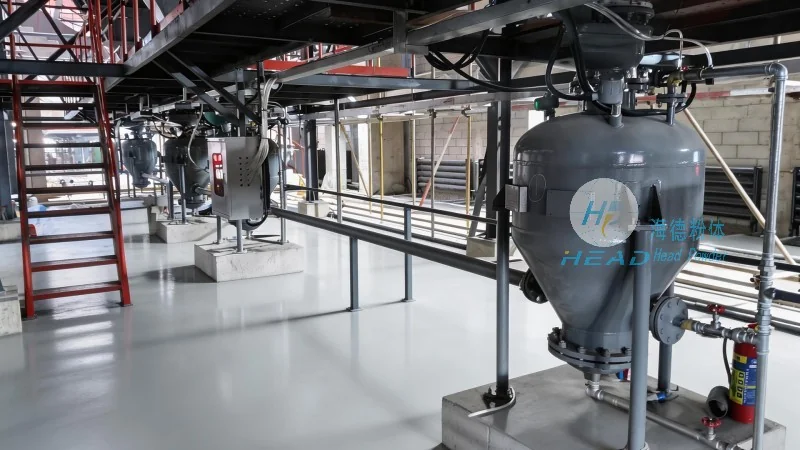
Working Principle of Pneumatic Conveying
Pneumatic conveying operates on the principle of transporting solid particles suspended in a moving air stream. In the case of ash material, the system uses a positive pressure or negative pressure (or a combination of both) to move the particles. The air compressor creates a pressure differential that propels the ash particles through the pipeline. The velocity of the air stream is critical; it must be sufficient to keep the ash particles suspended and prevent them from settling or clogging the pipeline. The system ensures that the ash particles are transported from the source to the destination without the need for mechanical conveyors, reducing maintenance and operational costs.
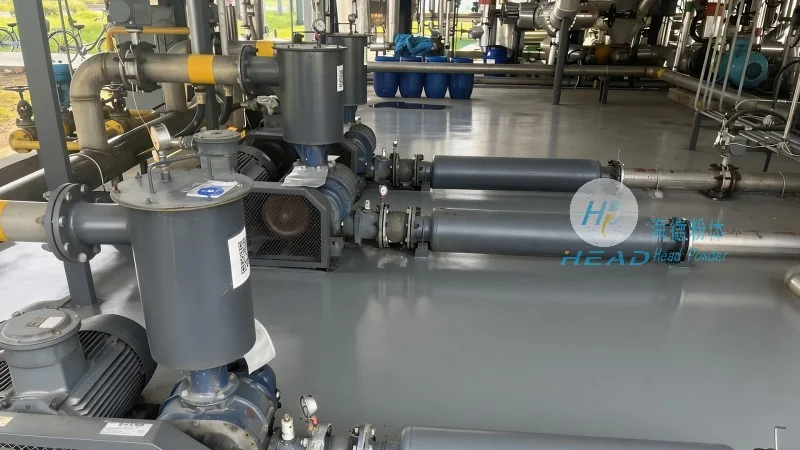
Operation Process of Ash Material Pneumatic Conveying
The operation process of an ash material pneumatic conveying system involves several sequential steps. First, the ash is stored in the hopper and fed into the system via the feeder. The air compressor then starts, generating the required air pressure. The ash particles are then introduced into the pipeline, where they are carried by the moving air stream. The system maintains a consistent flow rate by adjusting the air pressure and feeder speed. The ash is transported to the discharge point, where it is collected by the discharge unit. The entire process is automated, with sensors and controls monitoring the system's performance to ensure optimal operation.
Advantages of Pneumatic Conveying for Ash Handling
Compared to traditional mechanical conveyors, pneumatic conveying offers several advantages for ash handling. It eliminates the need for moving parts in the conveying path, reducing maintenance requirements and downtime. The system is also more flexible, allowing for changes in the conveying route without major modifications. Additionally, pneumatic conveying can handle a wide range of ash particle sizes and moisture contents, making it suitable for various applications. The system is also more hygienic and less prone to contamination compared to other methods.
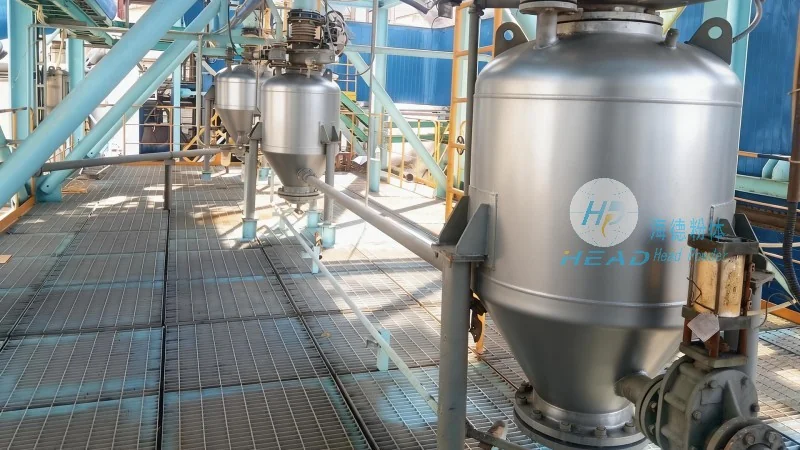
Applications in Power Plants and Industrial Facilities
Ash material pneumatic conveying systems are widely used in power plants, where they are employed to transport fly ash and bottom ash from the boiler to storage silos or disposal sites. The systems are also used in other industrial facilities that generate ash, such as cement plants and steel mills. The efficiency and reliability of these systems make them an essential component of modern ash management processes.




