For industries dealing with gypsum powder, efficient material handling is crucial to maintain production efficiency and ensure product quality. Pneumatic conveying systems have emerged as a reliable solution for transporting gypsum powder from storage to processing units or packaging areas. This article delves into the operation process and working principle of such systems, highlighting how they enhance operational performance while minimizing downtime and material loss.
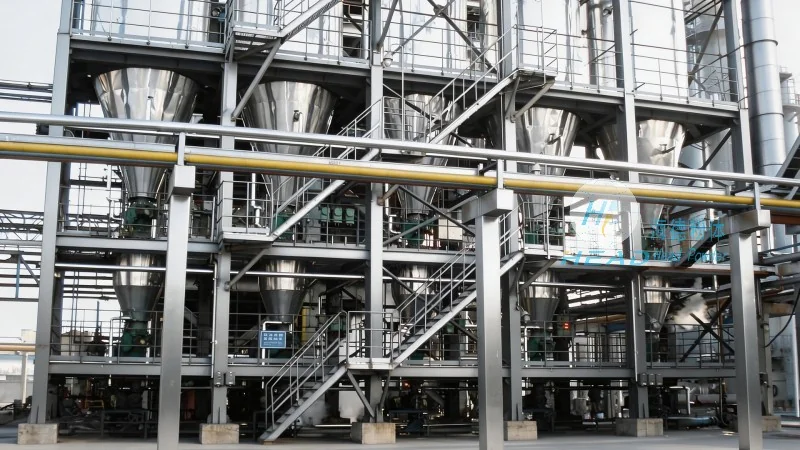
HeadPowder, a leading manufacturer based in Shandong, China, specializes in designing and supplying advanced pneumatic conveying solutions tailored to the unique characteristics of gypsum powder. With years of experience in the field, HeadPowder engineers have developed systems that address the challenges associated with handling fine, dry powders like gypsum, ensuring stable and reliable transport.
Key Components of a Gypsum Powder Pneumatic Conveying System
A typical pneumatic conveying system for gypsum powder consists of several key components that work in tandem to achieve efficient material transport. These components include the material hopper, feeder, air compressor, conveying lines, and discharge equipment. Each component plays a critical role in the overall operation, and their proper integration is essential for optimal performance.
The material hopper is the initial storage unit where gypsum powder is loaded. It is designed to hold a sufficient quantity of material to support continuous operation, with a discharge valve or gate to control the flow rate. The feeder, often a rotary valve or a screw feeder, regulates the amount of powder released into the conveying line, ensuring a consistent feed rate that matches the system's capacity.
The air compressor is the heart of the system, generating the necessary pressure and airflow to move the gypsum powder through the conveying lines. Depending on the system design, it can be a positive displacement or centrifugal compressor, chosen based on factors such as the required pressure, flow rate, and system size. The conveying lines, typically made of stainless steel or other corrosion-resistant materials, are arranged in a network that connects the hopper, feeder, and discharge point. These lines are equipped with bends, elbows, and filters to maintain the integrity of the powder and prevent blockages.
The Operation Process of Gypsum Powder Pneumatic Conveying
The operation process of a gypsum powder pneumatic conveying system involves several sequential steps, each carefully controlled to ensure smooth and efficient material transport. The process begins with the loading of gypsum powder into the hopper. Once the hopper is filled, the feeder starts to release the powder at a controlled rate. Simultaneously, the air compressor starts operating, generating a high-pressure airflow that enters the conveying line.
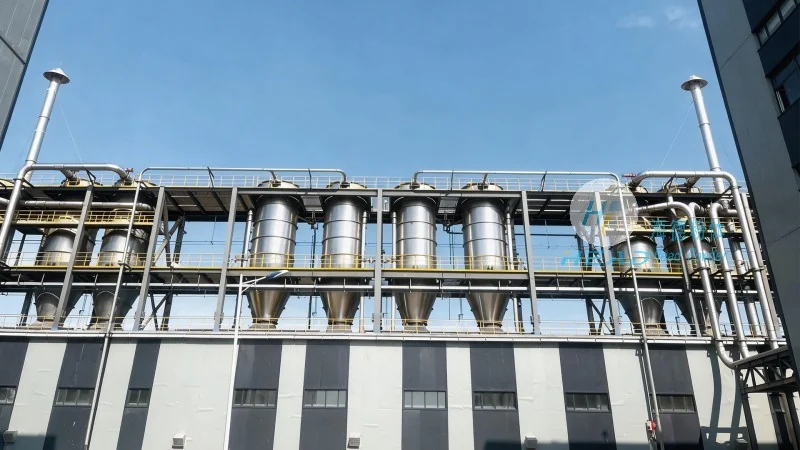
As the compressed air flows through the line, it creates a low-pressure zone that draws the gypsum powder into the air stream. The powder is then carried along the conveying line by the airflow, moving from the hopper to the discharge point. The velocity of the air and the size of the particles determine the conveying velocity, which must be sufficient to prevent particle separation and ensure stable transport.
At the discharge point, the conveying line connects to a receiver or a processing unit where the gypsum powder is deposited. The system may include a filter or a cyclone separator to remove any fine particles or dust from the air before it is released back into the environment. This step is crucial for maintaining air quality and preventing contamination in the processing area.
Working Principle of Pneumatic Conveying for Gypsum Powder
The working principle of pneumatic conveying relies on the interaction between the air flow and the gypsum powder particles. There are two main types of pneumatic conveying systems: pressure and vacuum. For gypsum powder, pressure systems are more commonly used due to their ability to handle higher material loads and longer distances.
In a pressure system, the air compressor pressurizes the conveying line, and the powder is introduced into the line through the feeder. The compressed air then propels the powder forward, maintaining a stable flow. The pressure differential between the hopper and the discharge point drives the material movement. The system operates at a pressure typically ranging from 0.5 to 2 bar, depending on the system design and the required conveying distance.
The key to efficient pneumatic conveying is maintaining a consistent air-to-powder ratio. This ratio determines the conveying velocity and the pressure drop along the line. If the ratio is too low, the powder may settle in the line, leading to blockages. If the ratio is too high, the air velocity may be insufficient to carry the powder, resulting in poor transport efficiency. HeadPowder's engineers optimize this ratio based on the specific characteristics of the gypsum powder, such as particle size, density, and moisture content.
Advantages of Using Pneumatic Conveying for Gypsum Powder
Pneumatic conveying systems offer several advantages over traditional methods like belt conveyors or bucket elevators when handling gypsum powder. One of the primary benefits is the ability to transport the material in a closed system, which prevents dust contamination and protects the product from environmental factors. This is particularly important for gypsum powder, which is often used in construction and industrial applications where dust can affect quality and safety.
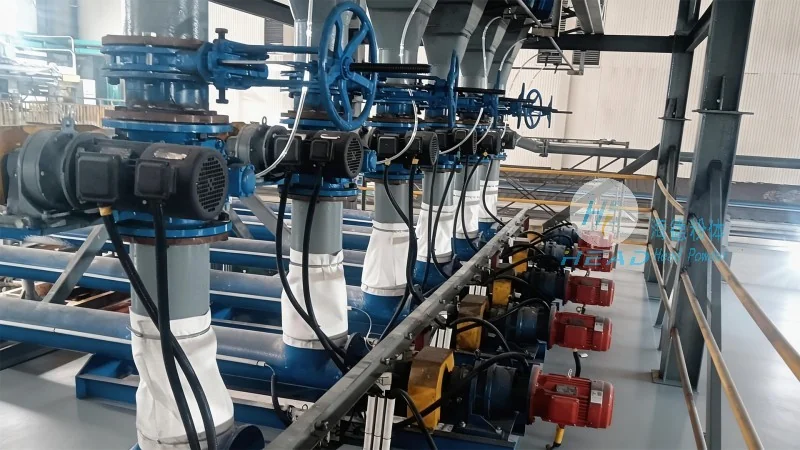
Another advantage is the flexibility of the system. Pneumatic conveying lines can be easily reconfigured or extended to accommodate changes in production needs or facility layout. This adaptability allows companies to scale their operations without significant capital investment. Additionally, the system operates quietly compared to other material handling methods, reducing noise pollution in the workplace.
Efficiency is another critical advantage. Pneumatic conveying systems can handle high volumes of gypsum powder with minimal energy consumption. The air compressor operates at a relatively low power input compared to the amount of material transported, making it an energy-efficient solution. Moreover, the system reduces material loss and degradation, as the powder is not exposed to external elements during transport.
Customization and Maintenance by HeadPowder
HeadPowder, with its headquarters in Shandong, China, provides customized pneumatic conveying solutions that meet the specific requirements of each client. The company's engineers work closely with customers to understand their production processes, material characteristics, and operational goals, then design a system that optimizes performance and minimizes costs.
HeadPowder's systems are built with high-quality materials, ensuring durability and long service life. The company offers comprehensive maintenance services to keep the systems running smoothly. Regular maintenance, including filter cleaning, line inspection, and compressor servicing, is essential to prevent system failures and ensure consistent performance. By partnering with HeadPowder, clients can rely on reliable and efficient material handling solutions that enhance their overall operational efficiency.
As a leading manufacturer in the industry, HeadPowder continues to innovate and improve its pneumatic conveying systems to meet the evolving needs of the gypsum powder market. With a focus on quality, efficiency, and customer satisfaction, HeadPowder remains a trusted partner for businesses seeking advanced material handling solutions.




