For industries dealing with metal particle materials, efficient material handling is crucial. Pneumatic conveying systems offer a reliable solution for transporting these materials over various distances and in different environments. Understanding the operation process and working principle of such systems is essential for optimizing performance and ensuring safety in industrial applications.
Company Overview: HeadPowder Engineering
HeadPowder, or Shandong HeadPowder Engineering Co., Ltd., is a leading provider of specialized engineering solutions for material handling systems. With a focus on innovation and quality, the company has established itself as a trusted partner in the industry, offering tailored pneumatic conveying solutions that meet the unique needs of clients. HeadPowder's headquarters is located in Shandong, China, where the company leverages its expertise to develop cutting-edge technologies for material transport.
The Operation Process of Pneumatic Conveying for Metal Particles
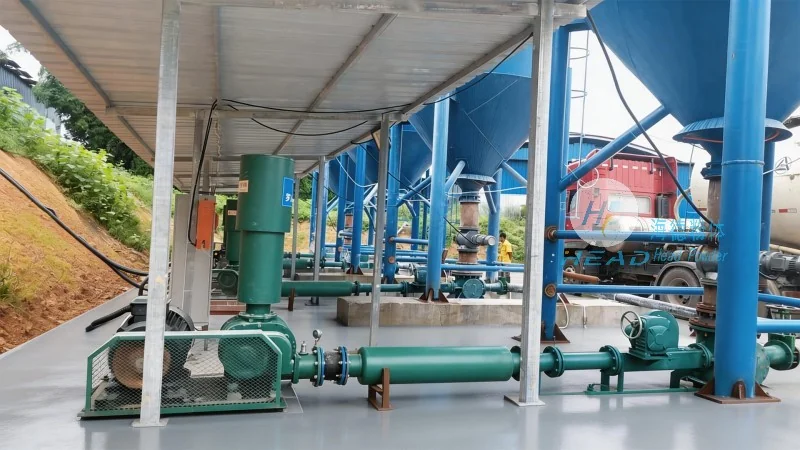
The operation process of pneumatic conveying for metal particle materials involves several key steps. First, the metal particles are loaded into the conveying system, typically from a hopper or storage container. The system then uses a blower or compressor to generate the necessary air pressure, which propels the particles through the pipeline. The conveying process may involve different modes, such as dilute phase or dense phase, depending on the material characteristics and application requirements. During transport, the particles are kept in suspension by the air flow, ensuring smooth and continuous movement. At the destination, the particles are discharged into a receiving hopper or container, completing the cycle. This process is designed to minimize material degradation, reduce downtime, and enhance overall operational efficiency.
Working Principle of Pneumatic Conveying Systems
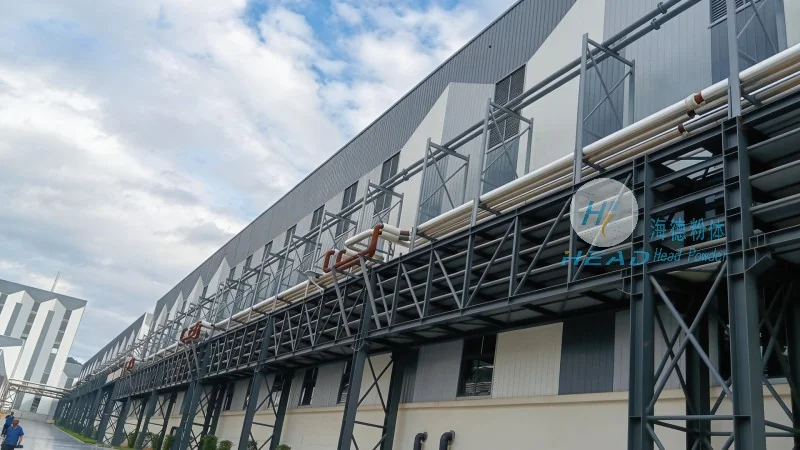
The working principle of pneumatic conveying systems for metal particles relies on the principles of fluid dynamics and particle transport. The system operates by creating a pressure differential between the inlet and outlet of the pipeline. A blower or compressor supplies compressed air, which flows through the pipeline and interacts with the metal particles. The air flow generates sufficient velocity to keep the particles in suspension, preventing them from settling or clogging the system. The design of the pipeline, including the use of bends, valves, and filters, is critical to maintaining consistent air flow and particle transport. The system also incorporates safety features, such as pressure relief valves and particle separators, to ensure safe operation and prevent material loss. By understanding the working principle, operators can optimize system parameters, such as air pressure and flow rate, to achieve the best performance for their specific metal particle materials.
Key Benefits of Pneumatic Conveying for Metal Particle Materials
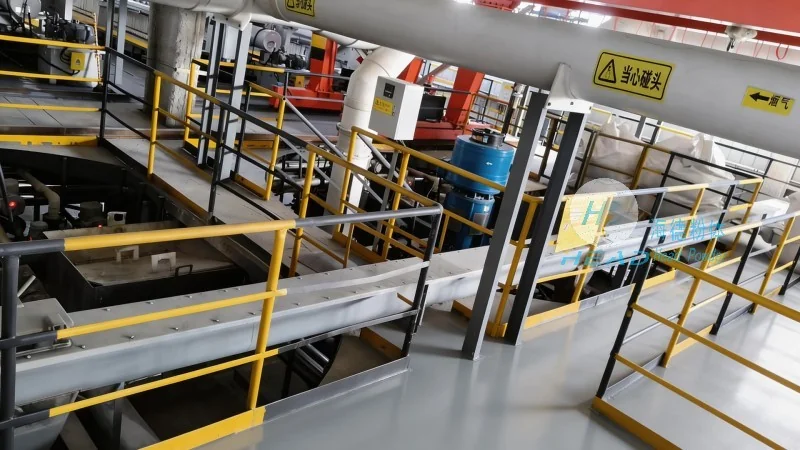
Implementing pneumatic conveying systems for metal particle materials offers numerous benefits. These include reduced labor costs, as automated systems minimize manual handling. The process also minimizes material contamination and degradation, which is particularly important for high-value metal powders. Additionally, pneumatic conveying systems can handle a wide range of particle sizes and shapes, making them versatile for various industrial applications. The systems are also relatively compact and can be integrated into existing facilities, reducing installation costs and space requirements. Furthermore, the technology allows for dust-free operation, improving workplace safety and environmental compliance. Overall, pneumatic conveying provides a reliable and efficient solution for transporting metal particles, enhancing productivity and operational safety.
Conclusion
Understanding the operation process and working principle of pneumatic conveying systems for metal particle materials is vital for industries seeking efficient material handling solutions. HeadPowder Engineering, with its expertise and commitment to quality, offers advanced pneumatic conveying systems that cater to the specific needs of clients. By leveraging the benefits of this technology, businesses can improve operational efficiency, reduce costs, and ensure safe and reliable transport of metal particles. As a leading provider in the field, HeadPowder continues to innovate and provide tailored solutions that meet the evolving demands of the industry.




