Hydraulic lime, also known as calcium hydroxide, is a widely used industrial material in various sectors such as construction, agriculture, and environmental treatment. The efficient and reliable transportation of this material is crucial for industrial operations, and pneumatic conveying systems have emerged as a preferred method for handling hydraulic lime. This article delves into the operation process and working principle of pneumatic conveying systems specifically designed for hydraulic lime material, highlighting the key components, operational steps, and technical considerations involved.
Introduction to Hydraulic Lime and Pneumatic Conveying
Hydraulic lime, with its chemical formula Ca(OH)₂, is a white or grayish powder that is highly hygroscopic and reactive. It is commonly used as a building material, a soil conditioner, and in water treatment processes. Traditional methods of transporting hydraulic lime, such as belt conveyors or trucks, often face challenges like material degradation, dust generation, and operational inefficiencies. Pneumatic conveying offers a solution by using air to transport the material in a sealed system, minimizing contamination and improving safety. The system typically consists of a blower, a hopper, a conveying line, and a receiver, all working in tandem to move the material from the source to the destination.
Key Components of Hydraulic Lime Pneumatic Conveying Systems
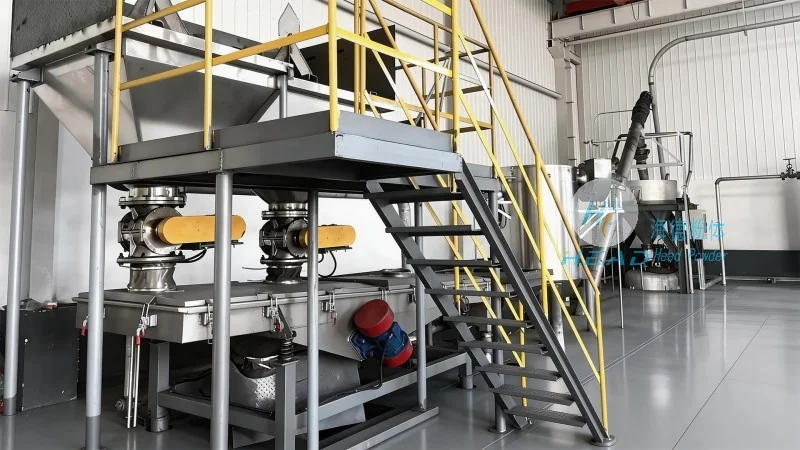
The efficiency of a pneumatic conveying system for hydraulic lime depends on several critical components. The first is the blower or air compressor, which provides the necessary air pressure and volume to move the material. The blower's capacity must be matched to the material's properties, such as its density and particle size, to ensure optimal performance. Shandong HeadPowder Engineering Co., Ltd., a leading manufacturer specializing in material handling solutions, has designed blower systems with high efficiency and low energy consumption for hydraulic lime applications. Next is the hopper or feed bin, where the hydraulic lime is stored before being fed into the conveying line. The hopper is equipped with a feeder, such as a rotary valve or a screw feeder, which controls the flow rate of the material into the system. The conveying line itself is usually made of stainless steel or other corrosion-resistant materials to handle the chemical properties of hydraulic lime and prevent material buildup or corrosion. The receiver or discharge hopper is where the material is deposited after being conveyed, and it may include a dust collection system to capture any fine particles that escape the main line.
Operation Process of Hydraulic Lime Pneumatic Conveying
The operation process of a hydraulic lime pneumatic conveying system involves several sequential steps. The first step is the preparation of the material, where the hydraulic lime is stored in the hopper and any moisture or impurities are removed to prevent clogging or system failure. The second step is the start-up of the system, which includes checking the air pressure, ensuring all valves are open, and verifying the proper functioning of the feeder. Once the system is operational, the feeder begins to discharge the hydraulic lime into the conveying line at a controlled rate. The blower then injects air into the line, creating a flow that carries the material particles along with it. The material travels through the conveying line to the receiver, where it is deposited. The system may include a feedback mechanism to adjust the flow rate based on the material level in the hopper or the pressure in the line, ensuring consistent performance. The entire process is designed to be continuous and automated, minimizing manual intervention and maximizing throughput.
Working Principle of Pneumatic Conveying for Hydraulic Lime
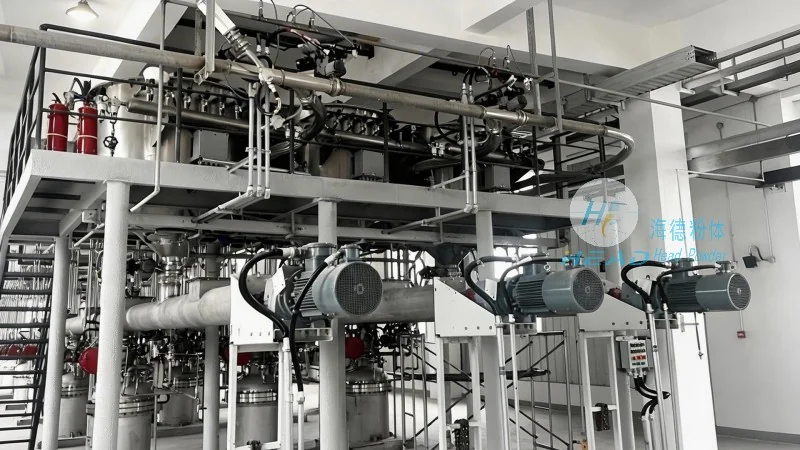
The working principle of pneumatic conveying for hydraulic lime is based on the interaction between the air flow and the material particles. There are two main types of pneumatic conveying systems: pressure and vacuum. In a pressure system, the blower supplies air under pressure to the conveying line, pushing the material forward. The material is suspended in the air stream and transported to the receiver. In a vacuum system, a vacuum pump creates a negative pressure in the line, drawing the material from the hopper into the line. The choice between pressure and vacuum depends on the distance and the material's properties. For hydraulic lime, which is often transported over moderate distances, a pressure system is commonly used due to its higher efficiency and lower energy consumption. The key to the system's effectiveness is maintaining a consistent air velocity and pressure to keep the material suspended and prevent clogging. The air velocity must be high enough to overcome the gravitational force on the particles but not so high as to cause excessive wear on the system components or generate too much dust.
Technical Considerations and Maintenance for Hydraulic Lime Pneumatic Conveying
Several technical considerations are essential for the reliable operation of hydraulic lime pneumatic conveying systems. First, the material's properties, such as its particle size distribution, moisture content, and density, must be carefully evaluated to select the appropriate system design and components. For example, finer particles may require higher air velocities to maintain suspension, while larger particles may need a different feeder design to prevent blockages. Second, the system must be designed to handle the hygroscopic nature of hydraulic lime, as moisture can cause the material to clump and clog the system. This may involve incorporating drying or dehumidification steps into the process. Third, regular maintenance is crucial to ensure the system's longevity and performance. This includes cleaning the conveying line and hopper to remove material buildup, inspecting the blower and feeder for wear, and checking the air filter and pressure regulator for proper operation. Proper maintenance can significantly reduce downtime and extend the system's service life.
Applications and Benefits of Hydraulic Lime Pneumatic Conveying
The use of pneumatic conveying systems for hydraulic lime offers several benefits over traditional methods. These include improved safety by reducing dust exposure and material handling risks, increased efficiency through continuous and automated operation, and better material quality by minimizing contamination and degradation. The systems are also versatile and can be adapted to various industrial applications, such as transporting hydraulic lime from storage to processing facilities, from production lines to packaging areas, or from one plant to another. The benefits extend to cost savings, as pneumatic conveying can reduce labor costs and material waste compared to manual handling or other transport methods. Overall, pneumatic conveying provides a reliable and efficient solution for the transportation of hydraulic lime, supporting the smooth operation of industrial processes.




