Shandong HeadPowder Engineering Co., Ltd., commonly referred to as HeadPowder, is a leading provider of advanced material handling solutions in China. HeadPowder specializes in the design, manufacturing, and installation of pneumatic conveying systems, particularly for high-performance polymers like PFA. With headquarters in Shandong, China, HeadPowder has built a strong reputation for delivering reliable and efficient material transport technologies that meet the demanding needs of modern industrial applications.
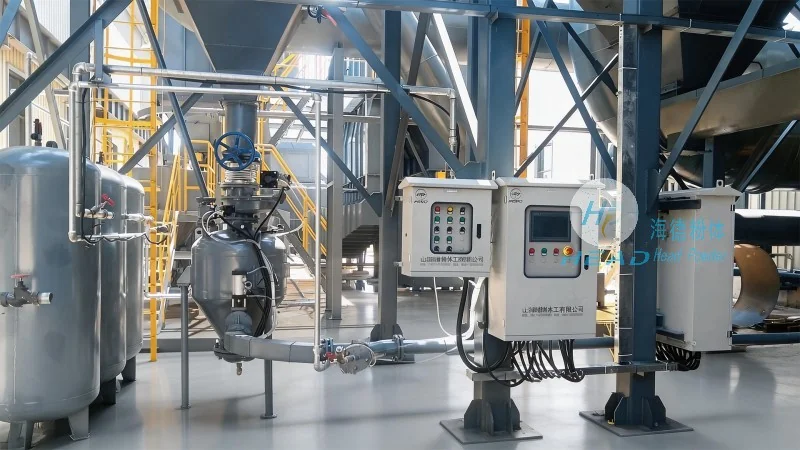
PFA Material: Properties and Handling Challenges
Polytetrafluoroethylene (PFA) is a fluoropolymer that combines the excellent chemical resistance and thermal stability of PTFE with improved processability. It is widely used in applications such as electrical insulation, chemical processing, and aerospace components due to its unique properties. However, PFA material often exists as fine powder or granules, which can be challenging to handle using traditional bulk methods. The fine particle size and low bulk density make it prone to dusting, agglomeration, and loss of product quality during transport. Pneumatic conveying addresses these challenges by providing a closed-loop system that efficiently transports PFA material while maintaining its integrity.
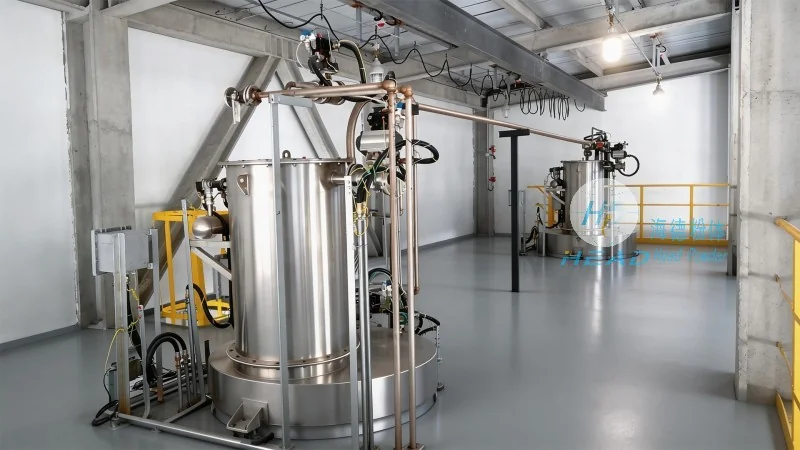
Working Principle of Pneumatic Conveying Systems
The fundamental principle of pneumatic conveying is the use of air or gas to move material through a pipeline. There are two main types of systems: positive pressure and negative pressure (vacuum). In positive pressure systems, a blower or compressor generates high-pressure air that forces the PFA material into the pipeline. The air flow carries the particles forward, and the system typically includes a hopper, feeder, pipeline, and receiver. In negative pressure systems, a vacuum pump creates a low-pressure zone that draws material from the hopper into the pipeline. The receiver at the end collects the conveyed material. The choice between the two systems depends on factors such as the distance of transport, material properties, and the need for dust control. For PFA material, positive pressure systems are often preferred due to their ability to handle fine particles and maintain consistent flow rates.
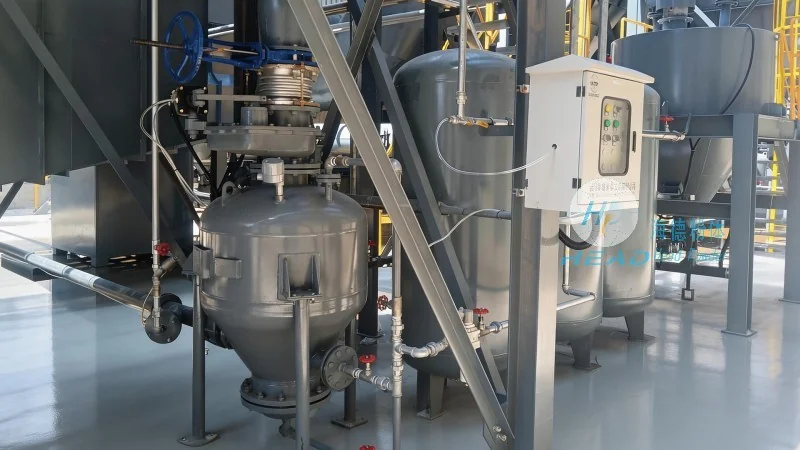
Step-by-Step Operation Process
The operation of a PFA material pneumatic conveying system involves several critical steps to ensure efficient and reliable transport. First, the PFA material is loaded into the hopper, which is equipped with a level sensor to monitor the material volume. The feeder, usually a rotary valve or screw feeder, regulates the material flow rate into the pipeline, ensuring a consistent feed to prevent blockages or uneven conveying. The air or gas is introduced at the inlet of the pipeline, creating a flow that carries the PFA particles. As the material travels through the pipeline, it may encounter bends, valves, or filters that help maintain the flow and prevent material buildup. The receiver at the end of the pipeline collects the conveyed PFA material, which is then discharged for further processing. Throughout the process, pressure sensors, flow meters, and temperature monitors are used to control and optimize the system performance. The closed-loop design minimizes dust emissions and ensures that the PFA material remains in a controlled environment, reducing the risk of contamination and product degradation.
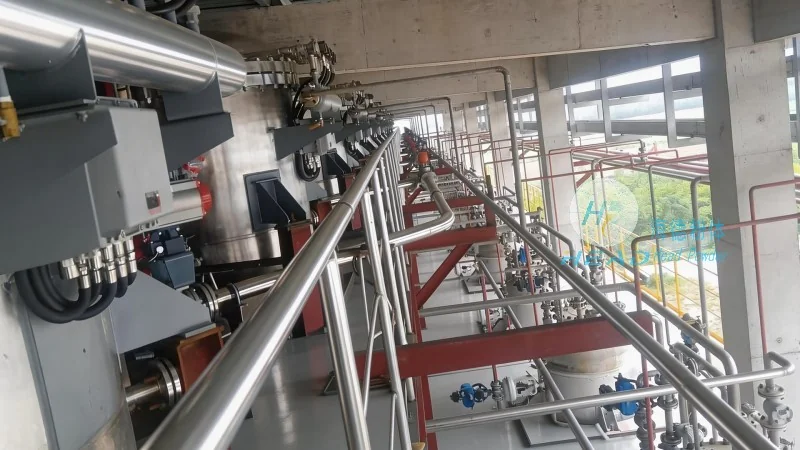
Advantages of HeadPowder's Pneumatic Conveying Solutions
HeadPowder's pneumatic conveying systems for PFA material offer several key advantages that make them ideal for industrial applications. The systems are designed to handle fine PFA particles without causing agglomeration or degradation, preserving the material's properties. The closed-loop operation reduces dust emissions and improves workplace safety, complying with environmental regulations. Additionally, the systems are highly efficient, with low energy consumption and minimal maintenance requirements. HeadPowder's expertise in material handling technology allows for customized solutions tailored to specific customer needs, including system integration with existing production lines. The company's commitment to quality and reliability ensures that their pneumatic conveying systems provide consistent performance and long-term durability, making them a trusted choice for industries requiring high-quality PFA material transport.




