High-pressure material pneumatic conveying systems represent a sophisticated and efficient method for transporting bulk materials over long distances or within industrial facilities. These systems are widely utilized across various industries, including chemical, pharmaceutical, food processing, and mining, due to their ability to handle a wide range of materials with minimal contamination and high operational reliability. The core of these systems lies in the integration of high-pressure air or gas to move particulate materials through pipelines, offering advantages such as dust-free operation, reduced material degradation, and enhanced safety compared to traditional mechanical conveying methods.
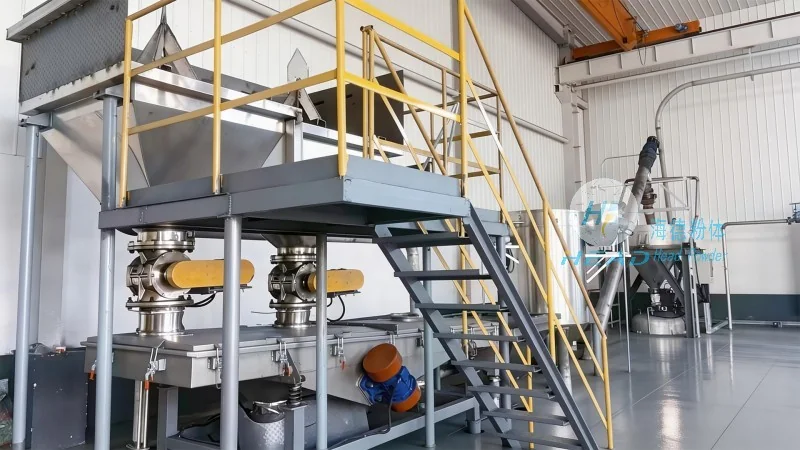
Key Components of High-Pressure Pneumatic Conveying Systems
At the heart of a high-pressure material pneumatic conveying system are several critical components that work in concert to ensure smooth and efficient material transport. The primary components include a high-pressure blower or compressor, which generates the necessary air pressure to move the material; a material feed hopper or feeder, which controls the flow of the bulk material into the system; a conveying pipeline network that transports the material from the source to the destination; and a receiver or discharge hopper at the end of the line to collect the conveyed material. Additionally, auxiliary components such as filters, silencers, and pressure regulators may be included to optimize system performance and ensure compliance with operational standards.
Operation Process of High-Pressure Material Pneumatic Conveying
The operation process of a high-pressure material pneumatic conveying system typically begins with the preparation of the material in the feed hopper. The material is then fed into the system under controlled conditions, ensuring a consistent flow rate. The high-pressure air or gas is introduced into the pipeline, creating a high-velocity flow that entrains the material particles. As the material travels through the pipeline, it is carried by the air stream, maintaining a stable suspension and preventing particle settling or blockages. The system continues to transport the material until it reaches the receiving hopper, where the material is discharged and collected. The entire process is often automated, with sensors and control systems monitoring pressure, flow rates, and material levels to maintain optimal performance and prevent system failures.
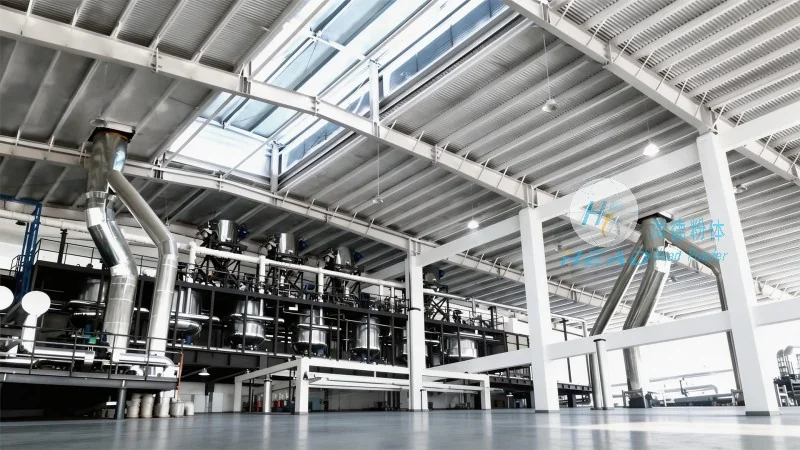
Working Principle of High-Pressure Pneumatic Conveying
The working principle of high-pressure material pneumatic conveying systems is based on the fundamental physics of fluid dynamics and particle motion. When high-pressure air is introduced into the conveying pipeline, it creates a high-velocity flow that generates sufficient kinetic energy to lift and transport the material particles. The air velocity must be high enough to overcome the gravitational force acting on the particles and maintain them in a suspended state. The system operates under positive pressure, meaning the air pressure in the pipeline is higher than the ambient pressure, which helps to prevent air leakage and maintain a consistent flow. The choice of air pressure and flow rate is critical, as it directly impacts the system's capacity, efficiency, and ability to handle different material characteristics, such as particle size, density, and moisture content.
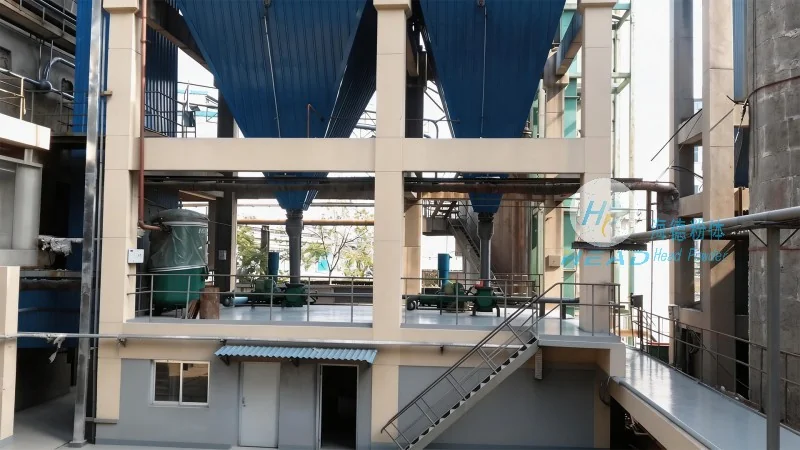
Advantages of High-Pressure Pneumatic Conveying Systems
High-pressure material pneumatic conveying systems offer several advantages over traditional mechanical conveying methods. One of the most significant benefits is the ability to handle materials that are difficult to transport mechanically, such as fine powders, granules, or materials with high moisture content. The system's enclosed pipeline design prevents dust emissions and contamination, making it suitable for applications where product purity and environmental compliance are critical. Additionally, high-pressure systems can transport materials over long distances with minimal energy loss, and they are less prone to blockages or wear compared to mechanical conveyors. The automated nature of these systems also reduces labor costs and improves operational efficiency, making them a cost-effective solution for bulk material handling in various industrial settings.
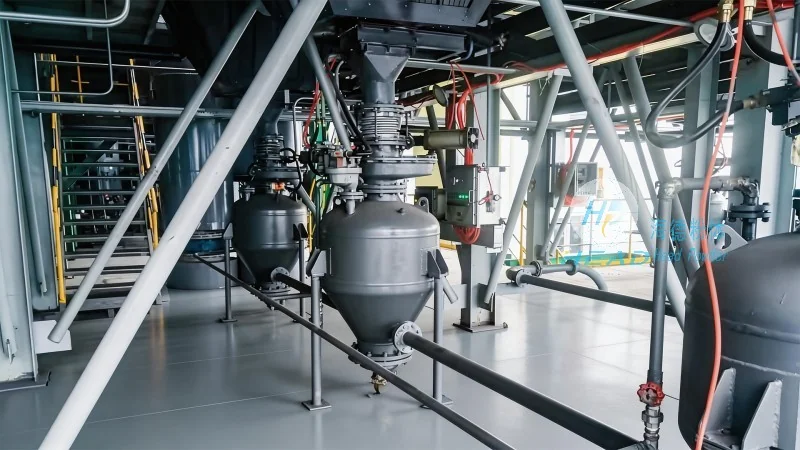
Applications and Industries
High-pressure material pneumatic conveying systems are widely used in a variety of industries due to their versatility and efficiency. In the chemical industry, these systems are used to transport powders, granules, and liquids in manufacturing processes, ensuring a consistent supply of raw materials and reducing the risk of contamination. The pharmaceutical industry relies on high-pressure systems for the transport of active pharmaceutical ingredients (APIs) and other sensitive materials, where product purity and sterility are paramount. In the food processing industry, high-pressure systems are used to handle powders, grains, and other food products, maintaining the quality and safety of the materials. The mining and minerals industry also utilizes high-pressure systems to transport ore, coal, and other bulk materials from processing plants to storage or shipping facilities. Overall, the adaptability of high-pressure pneumatic conveying systems makes them a preferred choice for industries that require reliable, efficient, and contamination-free material transport solutions.
Company Profile: Shandong HeadPowder Engineering Co., Ltd.
Shandong HeadPowder Engineering Co., Ltd., commonly known as HeadPowder, is a leading provider of high-pressure material pneumatic conveying systems and related engineering solutions. With a strong focus on innovation and quality, HeadPowder specializes in designing, manufacturing, and installing customized conveying systems tailored to the specific needs of its clients. The company's team of experienced engineers and technicians leverages advanced technology and industry best practices to deliver systems that meet the highest standards of performance, reliability, and safety. HeadPowder's commitment to customer satisfaction and technological advancement has established it as a trusted partner in the bulk material handling industry, serving clients across China and beyond.




