HeadPowder, a leading enterprise in the field of pneumatic conveying technology, specializes in the design, manufacturing, and application of additive pneumatic conveying systems. This article provides a comprehensive overview of the system's structure and operational principles, aimed at helping industry professionals and potential clients understand its functionality and benefits.
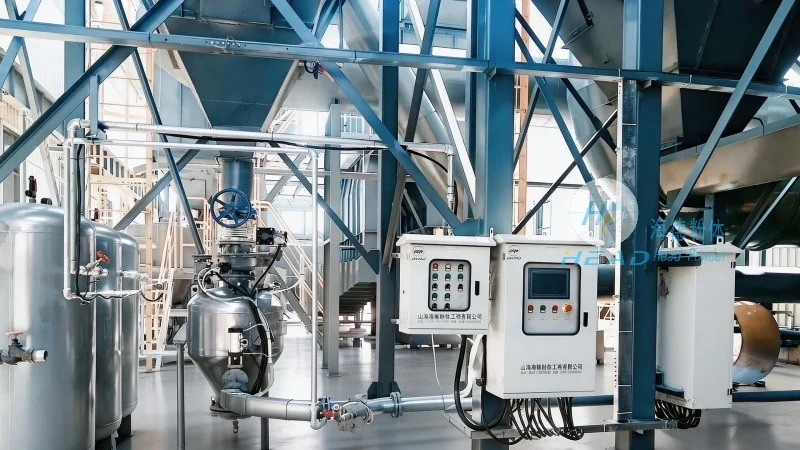
Overview of Additive Pneumatic Conveying Systems
Additive pneumatic conveying systems are advanced industrial solutions used for the efficient transport of bulk materials, such as powders and granules, in various industries including pharmaceuticals, food processing, and chemical manufacturing. These systems utilize compressed air or other gases to move materials through a pipeline network, offering advantages like dust-free operation, minimal product contamination, and the ability to handle a wide range of material properties.
Key Components and Structure of the System
The core structure of an additive pneumatic conveying system typically consists of several essential components that work in tandem to ensure smooth material transport. The main components include a material feeder, a conveying line (often equipped with bends and expansion joints), a control valve system, and a dust collection or filtration unit. Each component plays a critical role in the overall performance and reliability of the system.
1. **Material Feeder**: This component is responsible for feeding the bulk material into the conveying line at a controlled rate. Common types include screw feeders, rotary valves, and vibratory feeders, which are selected based on the material's characteristics, such as flowability and moisture content. The feeder ensures a consistent and steady supply of material, preventing blockages and maintaining system efficiency.
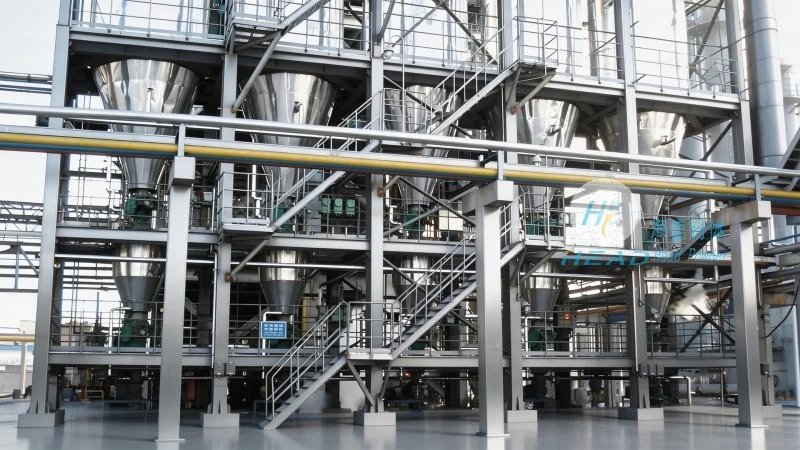
2. **Conveying Line**: The pipeline system, usually made of stainless steel or other corrosion-resistant materials, forms the backbone of the conveying process. The line is designed with appropriate diameters and supports to handle the pressure and flow rates required for the material being transported. Bends and expansion joints are strategically placed to accommodate changes in direction and accommodate thermal expansion, ensuring the system operates without stress or damage.
3. **Control Valve System**: This system includes various valves, such as air control valves and material control valves, that regulate the flow of air and material. The control valves allow for precise adjustment of the conveying pressure and flow rate, enabling operators to optimize the system for different material types and process requirements. This flexibility is crucial for maintaining product quality and system efficiency.
4. **Dust Collection and Filtration Unit**: To ensure environmental compliance and maintain a clean working environment, the system incorporates a dust collection and filtration unit. This component captures any airborne particles and filters the exhaust air, preventing dust emissions and protecting the surrounding environment. The filtration system typically uses high-efficiency particulate air (HEPA) filters or other advanced technologies to achieve high levels of air purity.
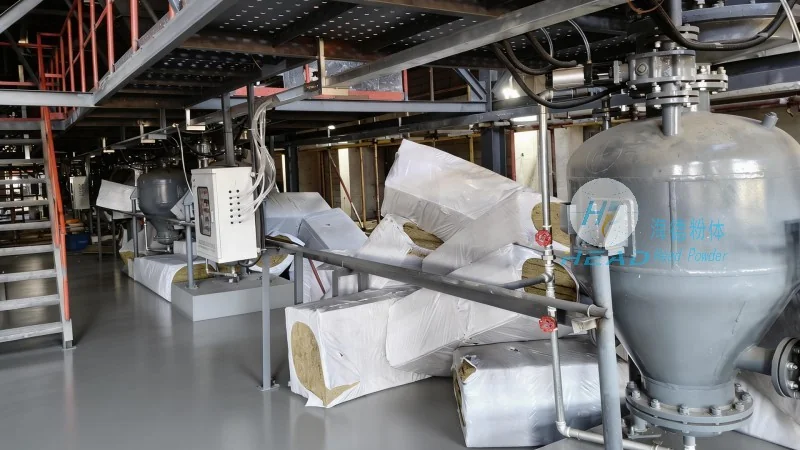
Working Principles of the Additive Pneumatic Conveying System
The operational principle of an additive pneumatic conveying system is based on the use of compressed air to create a flow of material through the pipeline. The process begins with the material being fed into the conveying line by the material feeder. Simultaneously, compressed air is introduced into the line, creating a high-velocity airflow that entrains the material particles and propels them forward.
As the material travels through the pipeline, it is carried by the air stream, which maintains the material in a suspended state. The air velocity is carefully controlled to ensure that the material particles do not settle or cause blockages. The system's design ensures that the air and material mixture flows smoothly through the entire pipeline network, from the inlet to the discharge point.
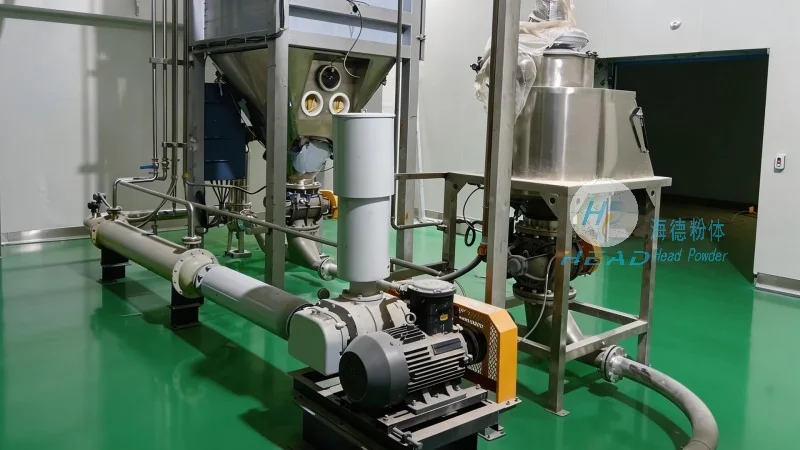
At the discharge end, the material is separated from the air stream through a separator or cyclone. The separated material is then collected in a receiving hopper or container, while the air is filtered and discharged. The control valve system plays a vital role in managing the pressure and flow at the discharge point, ensuring that the material is discharged at the desired rate and without any loss or contamination.
Advantages and Applications
Additive pneumatic conveying systems offer several advantages over traditional mechanical conveying methods, making them a preferred choice in many industries. Some of the key benefits include:
- Dust-Free Operation: The enclosed pipeline system prevents dust from escaping into the environment, reducing health hazards and maintaining a clean workplace.
- Minimal Product Contamination: The system is designed to handle sensitive materials without introducing contaminants, which is critical in industries like pharmaceuticals and food processing.
- Flexibility and Scalability: The system can be easily customized to accommodate different material types, flow rates, and process requirements, making it suitable for a wide range of applications.
- Space Efficiency: The compact design of the system allows for installation in limited spaces, reducing the overall footprint of the facility.
These systems are widely used in various applications, including the transport of additives in pharmaceutical manufacturing, the handling of food ingredients in food processing plants, and the conveyance of chemical powders in chemical processing facilities. The ability to handle a diverse range of materials and maintain product quality makes additive pneumatic conveying systems an essential component in modern industrial operations.




