When it comes to industrial material handling, polyethylene granule handling stands out as a critical process in various manufacturing and processing applications. This article delves into the fundamentals of polyethylene granule material handling, exploring what it entails and the underlying design principles that ensure efficient and reliable operation.
What is Polyethylene Granule Material Handling?
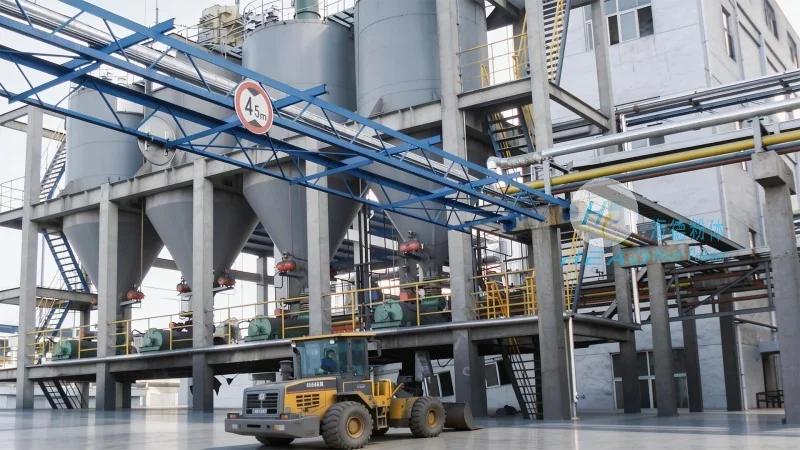
Polyethylene granule material handling refers to the systematic movement, storage, and transfer of polyethylene granules, which are small, solid particles used in a wide range of industries including plastics manufacturing, chemical processing, and packaging. These granules are typically produced through polymerization processes and are then processed into various forms such as pellets or powders. The handling of these granules involves several key steps, from storage in bulk containers to transportation via conveyor systems or pneumatic conveyors, and finally to processing equipment like extruders or injection molding machines.
The Design Principles Behind Polyethylene Granule Handling Systems
Efficient polyethylene granule handling systems are built on several core design principles that address the unique properties of polyethylene granules and the demands of industrial operations. These principles include:
- Material Compatibility: Ensuring that all components of the handling system, such as hoppers, conveyors, and storage tanks, are compatible with polyethylene granules. This involves selecting materials like stainless steel, polypropylene, or specialized coatings that prevent contamination and material degradation.
- Flow Control and Prevention of Blockages: Polyethylene granules can be prone to bridging, rat holing, or other flow issues, especially in vertical or inclined storage and transfer systems. Design principles focus on optimizing hopper geometry, using vibrators or air knives to break down arches, and implementing level sensors to monitor and manage material flow.
- Energy Efficiency and Maintenance: Modern handling systems prioritize energy-efficient operation through the use of variable frequency drives (VFDs) for conveyor motors, reducing energy consumption during low-load periods. Additionally, modular and easy-to-clean designs minimize downtime and maintenance requirements, ensuring consistent performance over time.
- Safety and Environmental Considerations: Handling polyethylene granules requires adherence to safety standards to prevent dust explosions and ensure worker safety. This includes implementing explosion-proof designs, using dust collection systems, and integrating safety interlocks in conveyor and storage equipment. Environmental considerations also play a role, with systems designed to minimize material loss and optimize waste management.
Key Components of Polyethylene Granule Handling Systems
Effective polyethylene granule handling relies on a combination of specialized equipment and components, each designed to address specific challenges in the material's movement and storage. Key components include:
- Bulk Storage Hoppers: These are large containers used to store polyethylene granules before processing. The design of hoppers is critical to prevent material bridging and ensure smooth discharge. Common designs include conical hoppers with a steep angle or the use of vibrators to maintain material flow.
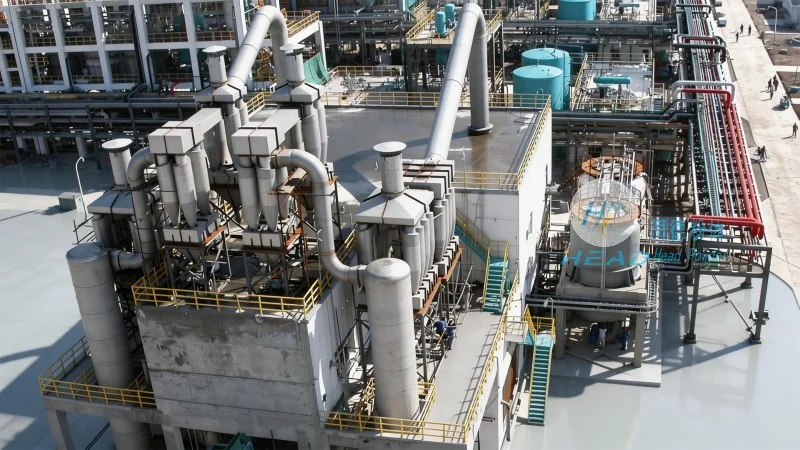
- Conveyor Systems: Conveyors are used to transport polyethylene granules from storage to processing equipment. Screw conveyors, belt conveyors, and pneumatic conveyors are commonly used, each with its own advantages depending on the application. Screw conveyors are ideal for horizontal or slight incline transport, while pneumatic conveyors are suitable for longer distances or when the material needs to be conveyed in a closed system.
- Feeding and Metering Equipment: To ensure consistent and controlled feeding of polyethylene granules into processing machines, specialized equipment like rotary valves, vibratory feeders, and loss-in-weight feeders are used. These devices regulate the flow rate, preventing overfeeding or underfeeding, which can affect product quality and equipment performance.
- Dust Control and Collection: Polyethylene granules can generate dust during handling, which poses health and safety risks as well as environmental concerns. Dust control systems, including hoods, filters, and ventilation, are integrated into the handling system to capture and remove dust particles, ensuring a safe working environment and compliance with regulations.
Applications and Industries Utilizing Polyethylene Granule Handling
Polyethylene granule handling systems are integral to numerous industries where polyethylene is a primary material. These include:
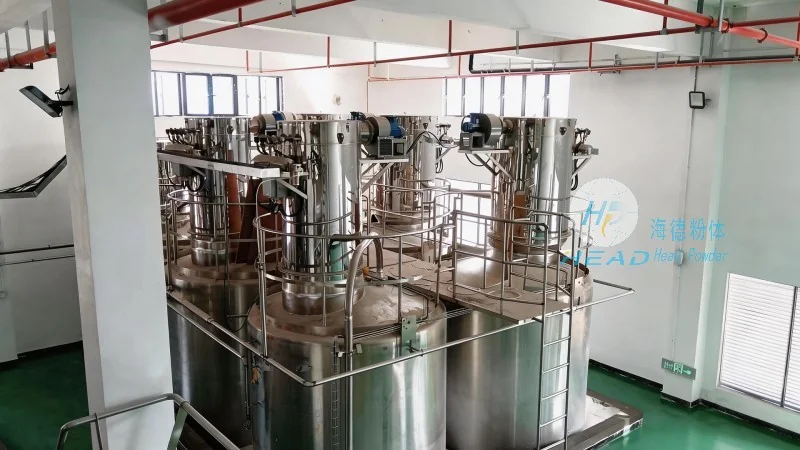
- Plastics Manufacturing: In the production of polyethylene-based plastics, granules are fed into extruders to produce films, pipes, or other plastic products. The handling system ensures a steady supply of granules to maintain production efficiency.
- Packaging Industry: Polyethylene granules are used to manufacture packaging materials like bags, films, and containers. The handling process ensures that the raw material is delivered to the packaging machines in a controlled manner, meeting quality standards.
- Chemical Processing: In chemical plants, polyethylene granules may be used as a raw material or as a component in the production of other chemicals. The handling system ensures safe and efficient transfer of these materials within the plant.
- Construction Materials: Polyethylene granules are sometimes used in the production of construction materials like plastic lumber or insulation products. The handling process supports the manufacturing of these materials with consistent quality.
Conclusion and Company Overview
Polyethylene granule material handling is a complex but essential process in modern industrial operations, requiring careful consideration of material properties, system design, and operational efficiency. By adhering to the key design principles and utilizing specialized equipment, industries can ensure the reliable and safe handling of polyethylene granules, supporting consistent production and product quality.
Shandong HeadPowder Engineering Co., Ltd., a leading provider in the field, specializes in the design, manufacturing, and integration of polyethylene granule handling systems. With a focus on innovation and customer-centric solutions, the company serves a wide range of industries, delivering customized handling solutions that meet the unique needs of each application. HeadPowder's expertise in material handling technology ensures that clients receive high-quality systems that enhance operational efficiency and safety. Based in Shandong, China, the company leverages its local presence and industry knowledge to provide comprehensive support to its clients, from initial consultation to long-term maintenance and service. Through continuous improvement and adherence to industry standards, HeadPowder remains committed to delivering reliable and efficient polyethylene granule handling solutions that meet the evolving demands of the market.




