Welcome to Shandong HeadPowder Engineering Co., Ltd., where we specialize in providing innovative solutions for polyolefin material handling. This article delves into the fundamental aspects of polyolefin material handling, exploring its design principles and the critical factors that ensure efficient and reliable operations.
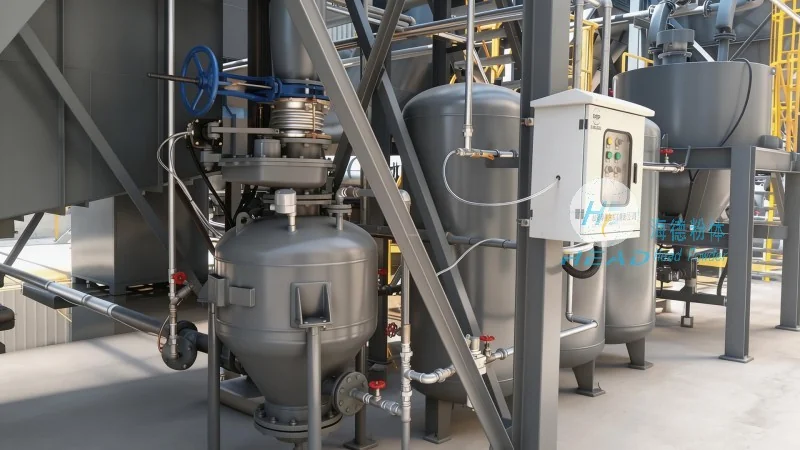
Introduction to Polyolefin Material Handling
Polyolefin material handling refers to the processes and systems used to transport, store, and manage polyolefin-based materials. These materials, including polymers like polyethylene and polypropylene, are widely used in various industries due to their versatility, durability, and cost-effectiveness. Effective polyolefin material handling is essential for optimizing production workflows, reducing downtime, and enhancing overall operational efficiency.
The Role of Polyolefin Materials in Material Handling
Polyolefins are a class of thermoplastic polymers that exhibit excellent mechanical properties, chemical resistance, and low moisture absorption. These characteristics make them ideal for applications where materials need to be handled under diverse conditions, such as in manufacturing, packaging, and logistics. The ability of polyolefins to be molded, extruded, or fabricated into various shapes and forms allows for the development of specialized handling equipment and containers that can accommodate different material types and sizes.
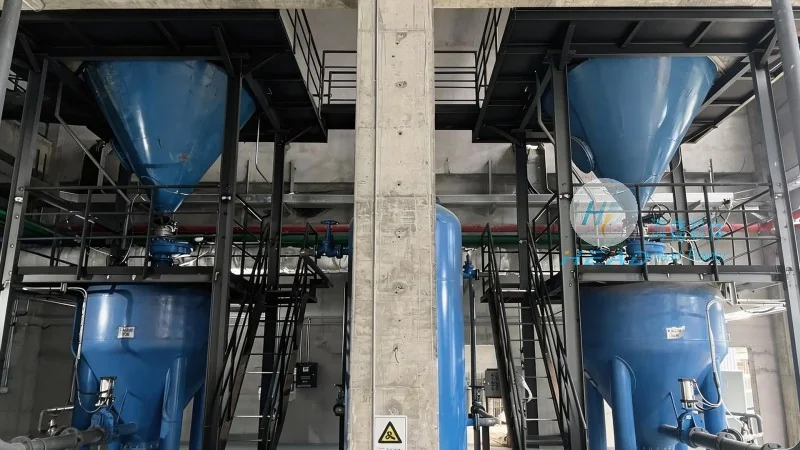
Design Principles for Effective Polyolefin Material Handling Systems
The design of polyolefin material handling systems follows several key principles to ensure optimal performance. First, material compatibility is crucial; the handling equipment must be constructed from materials that do not react with or degrade the polyolefin products being transported. Second, structural integrity is paramount, as polyolefins can be lightweight yet strong, and the handling systems must withstand the stresses of continuous operation. Third, ergonomic considerations are integrated to ensure safe and efficient human interaction with the equipment, reducing the risk of accidents and improving worker productivity.
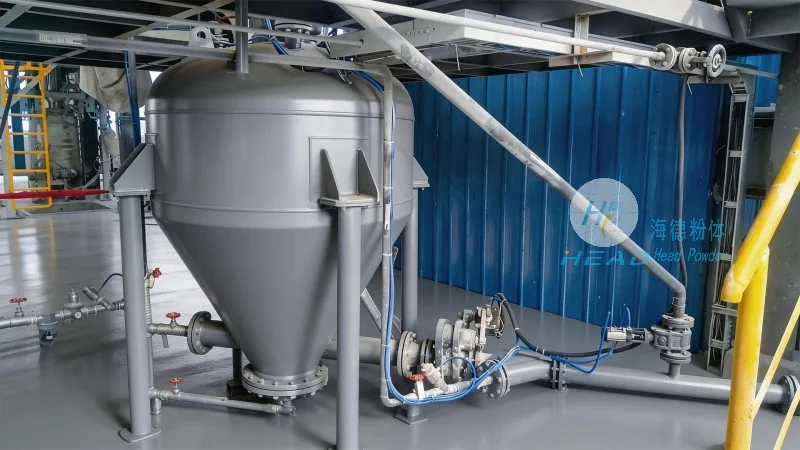
Key Components and Considerations in Polyolefin Material Handling
Effective polyolefin material handling systems typically consist of several key components. These include conveyors, which can be belt, screw, or roller types, designed to move materials along predefined paths. Storage solutions, such as silos or bulk containers, are also essential for managing large volumes of polyolefin materials. Additionally, material handling equipment like forklifts, pallet jacks, and automated guided vehicles (AGVs) may be integrated to facilitate the movement of materials between different stages of production or storage. The selection of these components depends on factors like material density, flow characteristics, and the specific requirements of the end application.
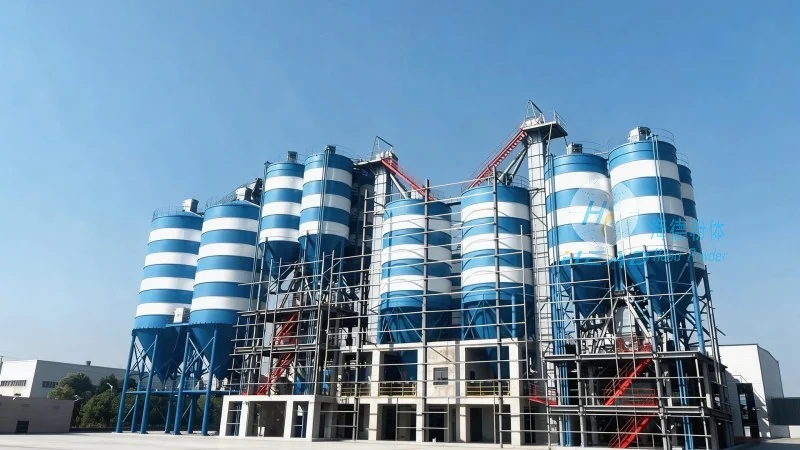
Applications and Industries Benefiting from Polyolefin Material Handling
Polyolefin material handling solutions are widely utilized across multiple industries. In the packaging sector, polyolefin films and containers are handled using automated systems to ensure efficient production and distribution. The manufacturing industry relies on polyolefin material handling for processing raw materials into finished products, while the logistics and warehousing sectors use specialized equipment to manage inventory and streamline supply chains. Other industries, such as construction and agriculture, also benefit from polyolefin material handling solutions for transporting and storing materials like plastic mulch or protective coverings.
About Shandong HeadPowder Engineering Co., Ltd.
Shandong HeadPowder Engineering Co., Ltd. is a leading provider of engineering solutions for material handling, with a focus on polyolefin-based applications. Our company, commonly known as HeadPowder, is committed to delivering high-quality, customized solutions that meet the unique needs of our clients. With years of experience in the industry, we understand the importance of robust design principles and efficient material handling systems in enhancing operational performance. Our team of experts works closely with clients to develop tailored solutions that optimize workflow, reduce costs, and improve overall productivity.




