HeadPowder, a leading manufacturer based in Shandong, China, specializes in the design and production of advanced pneumatic conveying systems tailored for mineral powder handling. This article provides a comprehensive overview of the mineral powder pneumatic conveying line, focusing on its structural components and operational principles to help clients understand the technology's efficiency and reliability.
Key Components of the Mineral Powder Pneumatic Conveying System
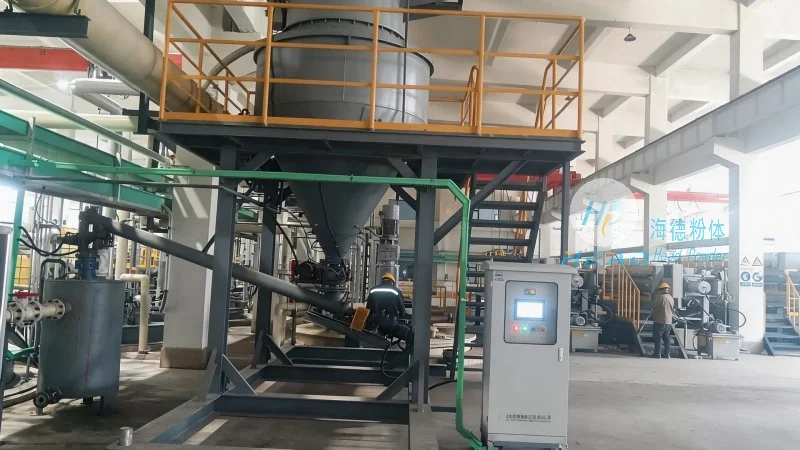
The mineral powder pneumatic conveying system consists of several critical components that work in tandem to transport powders through a pipeline using air pressure. The primary elements include the material hopper, which serves as the storage and feeding unit, ensuring a consistent supply of mineral powder. The feeder, typically a rotary valve or a star feeder, regulates the flow rate of the powder into the conveying line, preventing blockages and maintaining system stability. The pipeline itself is a crucial part of the system, often made from materials like stainless steel or plastic, designed to withstand the abrasive nature of mineral powders and the pressure differentials required for conveying. The air compressor or blower generates the necessary airflow, providing the motive force to move the powder particles through the system. Additionally, the system may include filters and cyclones to separate the powder from the air, ensuring that the conveyed material is clean and free from contaminants. The control system, which integrates sensors and automation technology, monitors and adjusts the flow rates, pressure, and other parameters to optimize the conveying process and prevent system failures.
Working Principle of the Mineral Powder Pneumatic Conveying Line
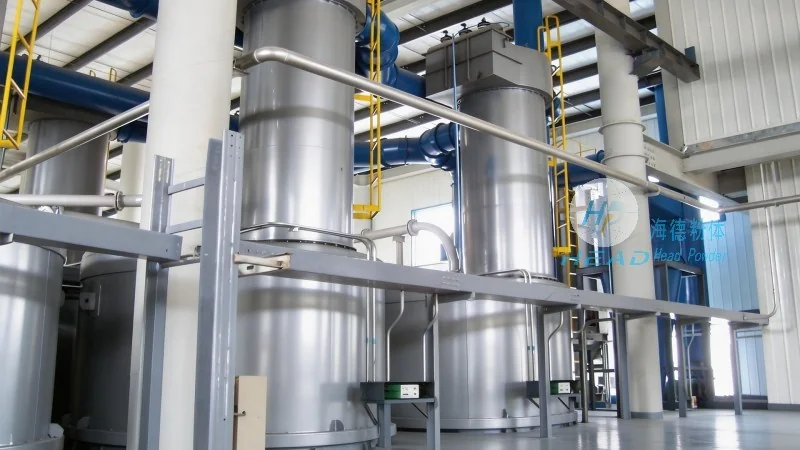
The operation of the mineral powder pneumatic conveying line is based on the principle of pneumatic transport, where air is used as the conveying medium to move solid particles. The process begins with the mineral powder being fed from the material hopper into the feeder. The feeder then meters the powder at a controlled rate into the pipeline. Simultaneously, the air compressor generates a high-pressure airflow that is introduced into the pipeline at the inlet of the feeder. As the powder enters the pipeline, it is entrained by the air stream, forming a slurry or a dense phase flow. The air-powder mixture travels through the pipeline, with the air pressure maintaining the flow and preventing the powder from settling. At the discharge end, the system typically includes a cyclone or a filter to separate the powder from the air. The separated powder is collected in a receiving hopper, while the clean air is either recirculated or vented to the atmosphere. The control system continuously monitors the pressure, flow rate, and other parameters, adjusting the air compressor speed or the feeder settings to maintain optimal conveying conditions. This closed-loop control ensures that the system operates efficiently, minimizing energy consumption and maximizing the throughput of mineral powder.
Advantages of Using a Mineral Powder Pneumatic Conveying System
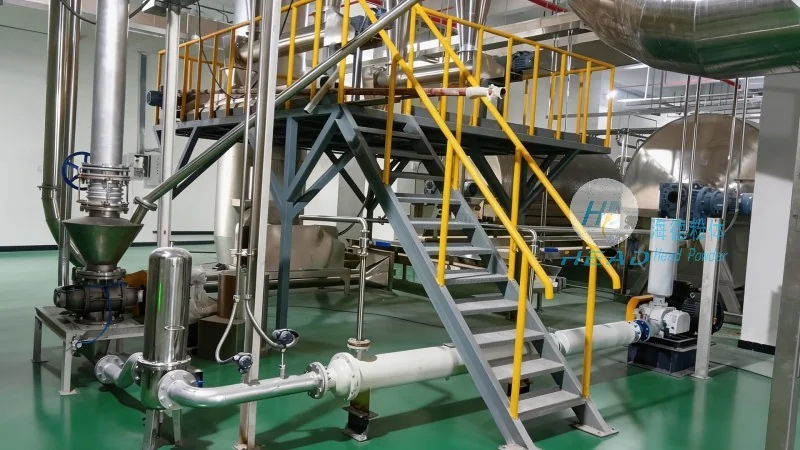
Implementing a mineral powder pneumatic conveying system offers several advantages over traditional methods such as bucket elevators or belt conveyors. Firstly, the system provides a dust-free and enclosed environment, which enhances workplace safety and reduces the risk of dust explosions. The enclosed pipeline prevents the release of fine particles into the air, making it suitable for handling hazardous or valuable mineral powders. Secondly, the system offers high flexibility in terms of layout and installation, as the pipeline can be routed around obstacles and adapted to different plant configurations. This flexibility allows for the integration of the conveying line into existing production facilities without major structural modifications. Thirdly, the pneumatic conveying system is capable of handling a wide range of powder properties, including different particle sizes, densities, and moisture contents. The adjustable flow rates and pressure differentials enable the system to accommodate various mineral powders, from fine talc to coarse ore dust. Additionally, the system provides a continuous and uniform flow of material, which improves the consistency of downstream processes such as mixing, blending, or processing. The automation and control features of the system also reduce labor costs and minimize human error, leading to higher operational efficiency and lower maintenance requirements.
Applications and Industries Served by HeadPowder's Systems
HeadPowder's mineral powder pneumatic conveying systems are widely used in various industries that require the efficient handling of mineral powders. The systems are commonly employed in mining and mineral processing plants, where they transport ore powders from crushers and grinders to storage silos or processing units. In the chemical industry, the systems handle powders such as limestone, gypsum, and calcium carbonate, which are used in the production of cement, paints, and plastics. The food and pharmaceutical industries also utilize these systems to convey ingredients like flour, sugar, and powders used in drug formulations, ensuring that the materials are handled hygienically and without contamination. Additionally, the systems are used in the cement and concrete industries to transport raw materials such as limestone and clay to the kilns and mixing plants. The versatility of HeadPowder's systems makes them suitable for a wide range of applications, from small-scale operations to large industrial plants, providing reliable and efficient mineral powder handling solutions.
Conclusion and Contact Information
Mineral powder pneumatic conveying systems are a critical component in modern industrial processes, offering efficient, safe, and flexible solutions for handling mineral powders. HeadPowder, with its expertise in engineering and manufacturing, provides high-quality systems that meet the specific needs of clients. By understanding the structural components and working principles of these systems, businesses can make informed decisions about implementing pneumatic conveying technology to improve their operational efficiency and productivity. For more information about HeadPowder's mineral powder pneumatic conveying systems, please contact our team at Shandong HeadPowder Engineering Co., Ltd., located in Shandong, China.




