Efficient and reliable material transport is a critical aspect of modern industrial operations, and for many applications involving PVC materials, pneumatic conveying systems offer a highly effective solution. The design of such systems is a complex process that requires careful consideration of various factors, including material characteristics, system layout, and operational requirements. This article explores the key elements of PVC pneumatic conveying system design, highlighting the expertise and solutions provided by Shandong HeadPowder Engineering Co., Ltd., a leading engineering firm based in Shandong, China.
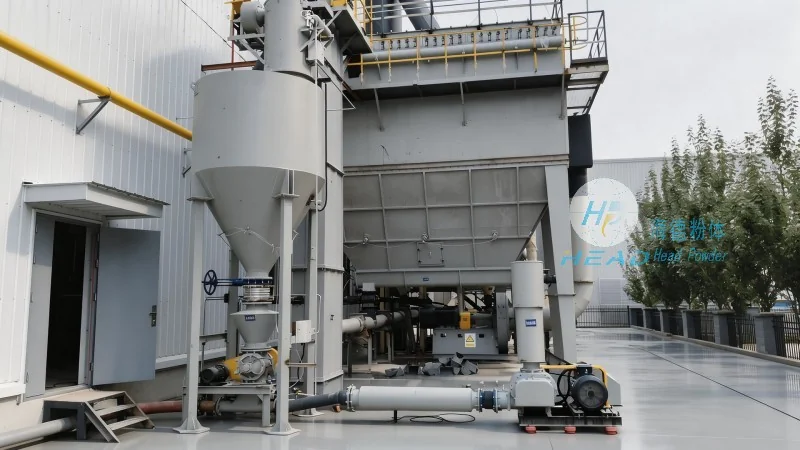
Company Profile: HeadPowder - Shandong HeadPowder Engineering Co., Ltd.
HeadPowder, or Shandong HeadPowder Engineering Co., Ltd., is a reputable engineering company headquartered in Shandong, China. With a strong commitment to quality and innovation, HeadPowder specializes in the design, manufacturing, and installation of material handling systems, including pneumatic conveying solutions. The company's team of experienced engineers and technicians leverages advanced technology and industry best practices to deliver customized PVC pneumatic conveying systems that meet the unique demands of various industrial sectors. HeadPowder's reputation for excellence has made it a trusted partner for businesses seeking reliable and efficient material transport solutions.
Key Design Considerations for PVC Pneumatic Conveying Systems
The successful design of a PVC pneumatic conveying system hinges on a thorough understanding of the material being conveyed. PVC, a widely used plastic with properties such as moderate density, relatively low abrasiveness, and potential for static accumulation, requires specific design considerations. Engineers must evaluate factors like material flow rate, particle size distribution, and moisture content to determine the appropriate air flow rates and system pressure. Additionally, the system layout, including the number and placement of bends, vertical sections, and horizontal runs, significantly impacts the system's performance and efficiency. Proper component selection, such as high-quality PVC tubing, robust valves, and reliable air compressors, is essential to ensure long-term system reliability and minimize maintenance costs.
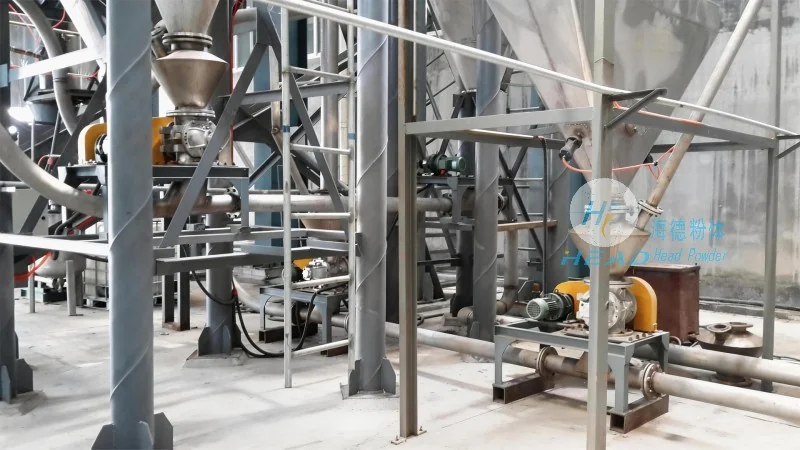
Components and Features of a Typical PVC Pneumatic Conveying System
A standard PVC pneumatic conveying system comprises several core components that work in harmony to achieve efficient material transport. The material feeder, typically a hopper or rotary valve, is responsible for introducing PVC material into the system. The PVC pipeline, made from durable and corrosion-resistant PVC material, forms the main transport path. The air compressor generates the necessary air pressure to move the material through the pipeline, while the control system regulates the air flow and pressure to maintain consistent material transport. Advanced features often included in HeadPowder's designs are variable frequency drives for adjustable air flow, pressure sensors for real-time monitoring, and automatic shutdown mechanisms to prevent system overload or material blockage. These features enhance operational safety and system performance, ensuring smooth and uninterrupted material handling.
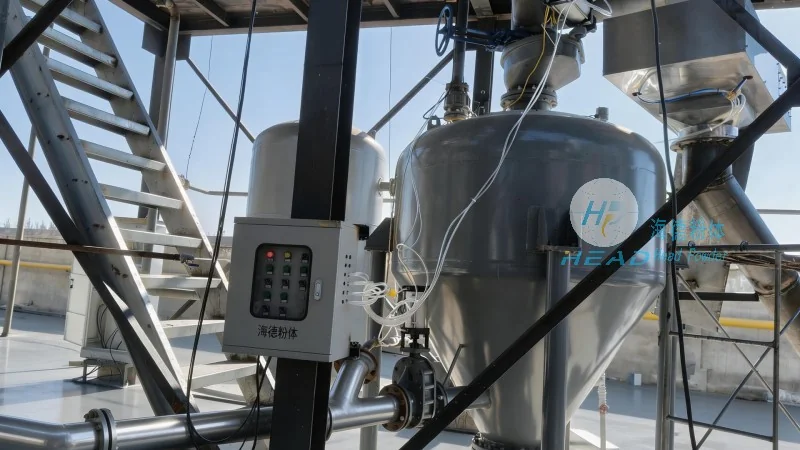
Customization and Application Flexibility
HeadPowder's approach to PVC pneumatic conveying system design emphasizes customization to address the diverse needs of different industries. Whether the application involves short-distance transport within a manufacturing facility or long-distance transfer between production sites, HeadPowder can design a system tailored to the specific requirements. The company also accommodates various system configurations, including positive pressure, negative pressure, and mixed pressure systems, allowing for flexibility in handling different material types and operational conditions. Industries such as chemical manufacturing, pharmaceutical processing, food processing, and plastic extrusion benefit from HeadPowder's customized solutions, which are designed to optimize material flow, reduce downtime, and improve overall productivity.
Benefits of Professional PVC Pneumatic Conveying System Design
Investing in a professionally designed PVC pneumatic conveying system offers significant advantages for industrial operations. These benefits include reduced labor costs by automating material handling processes, increased production efficiency through consistent and reliable material transport, and improved product quality by minimizing material contamination and handling errors. The use of high-quality PVC components and advanced control systems also reduces maintenance requirements and extends the system's operational lifespan, leading to long-term cost savings. Furthermore, the ability to customize the system ensures that it aligns with the client's specific operational needs, providing a tailored solution that enhances overall operational performance and competitiveness.




