For industries dealing with calcium oxide, efficient and reliable material handling is crucial. The design of a pneumatic conveying system for calcium oxide requires careful consideration of material properties, process requirements, and operational efficiency. This article introduces the design principles and key components of a calcium oxide pneumatic conveying system, highlighting the expertise of Shandong HeadPowder Engineering Co., Ltd., a leading provider based in Shandong, China, operating under the brand name headpowder.
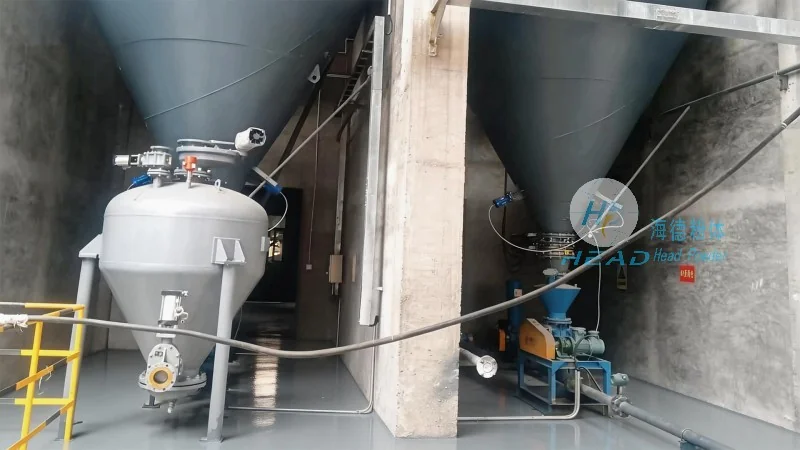
Calcium oxide, commonly known as quicklime, is a widely used chemical in various industrial applications, including steel production, water treatment, and chemical manufacturing. Its handling presents unique challenges due to its high reactivity and dust generation potential. Traditional bulk material handling methods may not be suitable for calcium oxide, as they often lead to material degradation, equipment wear, and safety hazards. Pneumatic conveying offers a solution by transporting the material in a closed system using air or other gases, minimizing exposure to the environment and ensuring consistent flow rates.
Shandong HeadPowder Engineering Co., Ltd., operating under the brand name headpowder, specializes in the design and implementation of advanced pneumatic conveying systems tailored to the specific needs of calcium oxide applications. The company's team of engineers leverages years of experience and cutting-edge technology to develop customized solutions that optimize material transport while maintaining product integrity and operational safety.
Key Components of the Pneumatic Conveying System
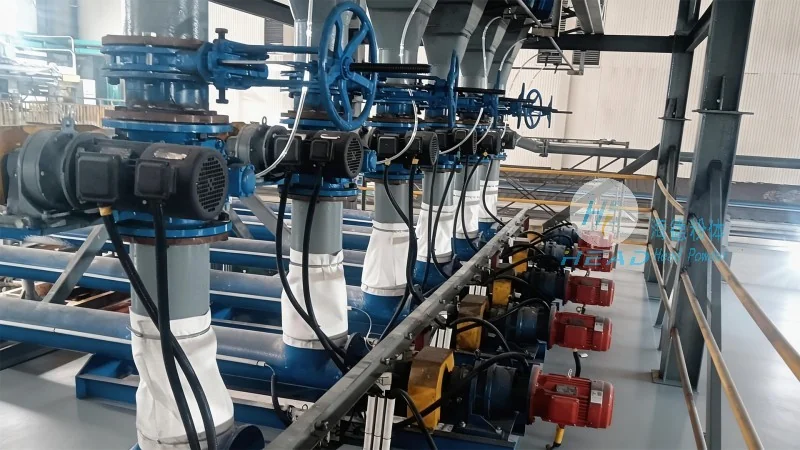
The calcium oxide pneumatic conveying system typically consists of several critical components, each playing a vital role in the overall operation. These components include a hopper for material storage, a feeder to control the flow rate, a conveying line (often equipped with cyclones or filters for separation), and a receiver for the final product. The system may also incorporate a blower or compressor to generate the necessary air pressure for material transport.
The hopper is designed to store calcium oxide in a manner that prevents caking and ensures smooth discharge. It is usually equipped with a level indicator and a discharge valve to regulate the material flow. The feeder, such as a rotary valve or a screw feeder, is responsible for metering the material accurately, preventing overloading or underloading of the conveying line. The conveying line is constructed from materials resistant to corrosion and abrasion, such as stainless steel or special alloys, to withstand the chemical and physical stresses of calcium oxide.
The blower or compressor provides the motive force for the system, generating the air pressure required to move the material through the conveying line. The air velocity and pressure are carefully controlled to ensure efficient transport without causing excessive wear on the system components. Cyclones or filters are often installed at the receiving end to separate the material from the air stream, ensuring that the calcium oxide is collected in a clean and dry state.
Design Considerations for Calcium Oxide Handling
When designing a pneumatic conveying system for calcium oxide, several factors must be considered to achieve optimal performance. First, the material's density and flowability are critical. Calcium oxide has a relatively high density, which affects the air velocity required for transport. The system design must account for these properties to prevent material settling or blockages in the conveying line.
Second, the reactivity of calcium oxide with moisture and air must be addressed. The system must be designed to minimize exposure to the environment, as calcium oxide reacts with water to form calcium hydroxide, releasing heat and potentially causing caking. Proper sealing and moisture control are essential to maintain the material's quality during transport.
Third, the system's capacity and scalability are important considerations. The design should allow for future expansion or integration with other process equipment. The use of modular components enables flexibility in system configuration, ensuring that the system can adapt to changing production demands.
Advantages of the Pneumatic Conveying System
Implementing a pneumatic conveying system for calcium oxide offers several advantages over traditional handling methods. Firstly, it provides a closed system that reduces dust emissions and improves workplace safety. This is particularly important for calcium oxide, which can cause respiratory issues if inhaled. The closed system also prevents contamination from external sources, maintaining the purity of the material.
Secondly, pneumatic conveying systems offer high material transport efficiency. By using air as the conveying medium, the system can transport calcium oxide over long distances with minimal energy consumption compared to other methods like belt conveyors or bucket elevators. This results in lower operational costs and increased productivity.
Thirdly, the system enhances product quality by minimizing material degradation. Unlike open systems that expose the material to air and moisture, the closed pneumatic system preserves the chemical properties of calcium oxide, ensuring that the final product meets the required specifications. This is crucial for applications where the quality of the calcium oxide directly impacts the performance of downstream processes.
Case Study: Successful Implementation by headpowder
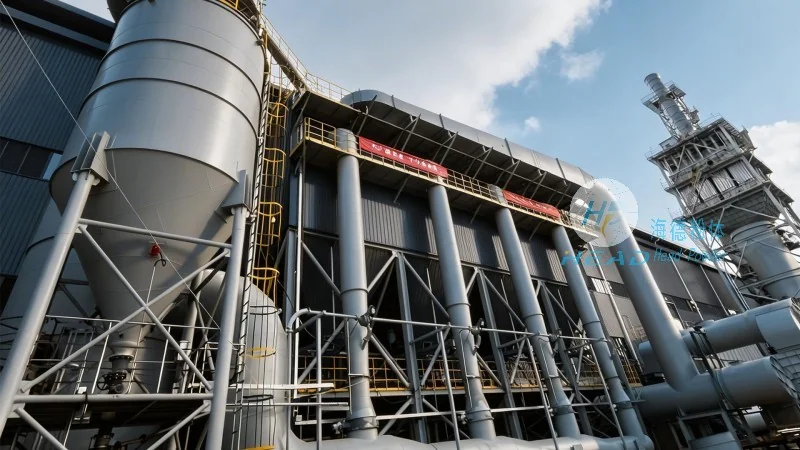
Shandong HeadPowder Engineering Co., Ltd. has successfully implemented calcium oxide pneumatic conveying systems for numerous clients across various industries. One notable case involved a steel manufacturing plant that required the efficient transport of calcium oxide from storage silos to the production line. The headpowder team designed a custom system that integrated a large storage hopper, a rotary feeder, and a high-capacity blower. The system was installed and commissioned within a short timeframe, achieving a material transport rate of 50 tons per hour with minimal downtime.
The client reported significant improvements in operational efficiency and safety after the system was installed. The closed conveying system reduced dust emissions by over 90%, improving air quality in the plant and protecting the health of workers. Additionally, the system's energy efficiency led to a reduction in electricity costs, contributing to the plant's overall cost savings.
Another successful implementation was for a water treatment facility that needed to transport calcium oxide for pH adjustment. The headpowder system was designed to handle the material in a hygienic and controlled manner, ensuring that the calcium oxide was delivered to the treatment tanks without contamination. The system's reliability and low maintenance requirements made it a preferred choice for the facility, which has since become a long-term client of headpowder.
Conclusion and Future Outlook
The design of a calcium oxide pneumatic conveying system is a complex but essential process that requires expertise in material handling and engineering. Shandong HeadPowder Engineering Co., Ltd. stands out as a trusted partner in providing customized solutions that meet the unique challenges of calcium oxide transport. By focusing on system efficiency, product integrity, and operational safety, headpowder ensures that its clients achieve optimal performance and cost savings.
As industries continue to demand higher efficiency and sustainability in material handling, the importance of advanced pneumatic conveying systems for calcium oxide will only grow. With its commitment to innovation and customer satisfaction, headpowder is well-positioned to meet the evolving needs of the market, providing reliable and effective solutions for calcium oxide transportation.




