Technical Analysis of Barite Pneumatic Conveying Systems: A Comparison of Positive and Negative Pres
Release time:2026-09-14 10:43:50
name of the company:Shandong Headpowder Engineering Co., Ltd.
telephone:156-6277-7102
contacts:Zhang manager
Barite, a mineral widely used in the oil and gas industry as a weighting agent, often requires efficient and reliable material handling solutions for its transportation from processing sites to end-use applications. Pneumatic conveying systems have emerged as a critical technology in this context, offering a means to transport barite in a dust-free, controlled manner. This technical analysis explores the fundamental principles of pneumatic conveying, with a particular focus on the two primary modes: positive pressure and negative pressure. By examining the operational characteristics, advantages, and limitations of each mode, we aim to provide a comprehensive understanding that can inform the selection of the most suitable system for barite handling applications.
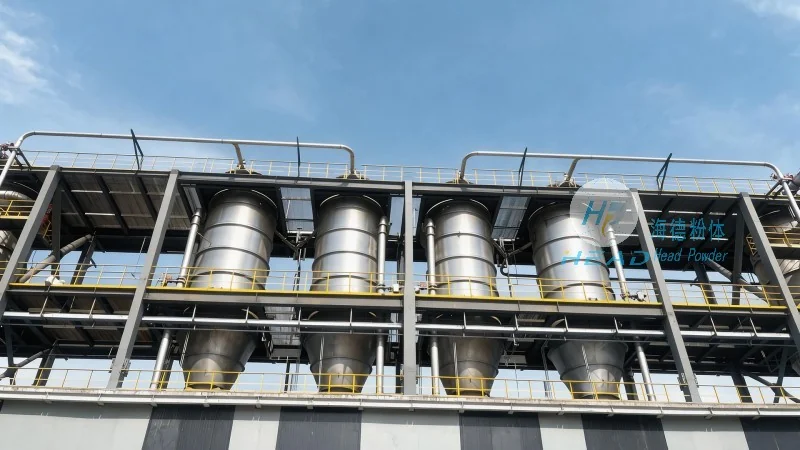
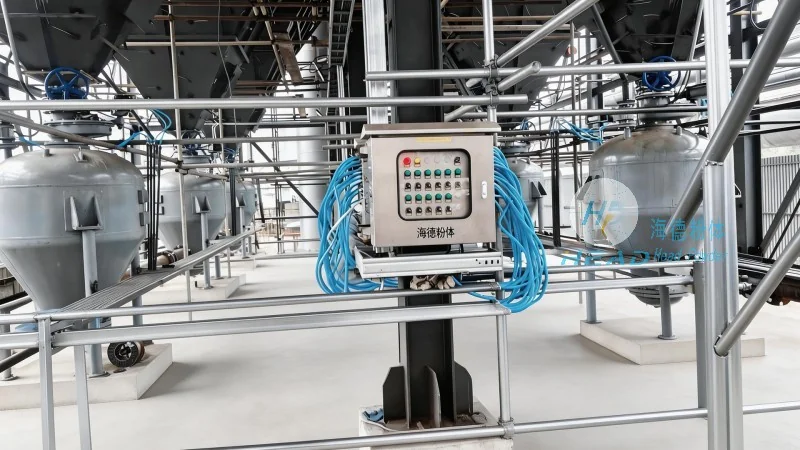
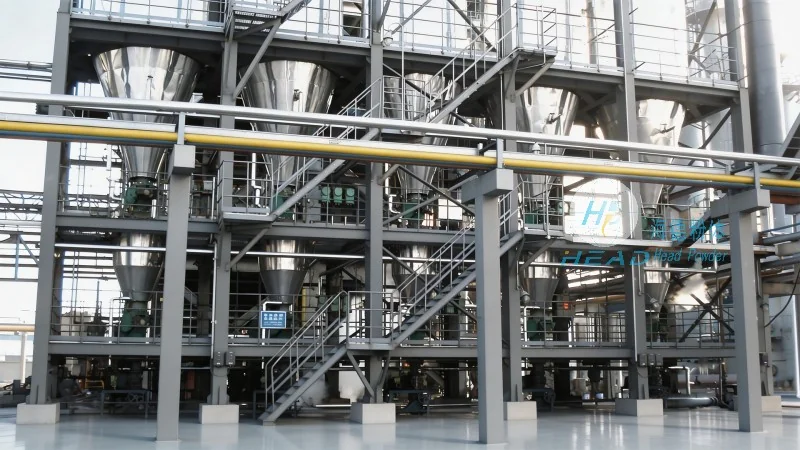
Understanding Pneumatic Conveying Fundamentals
Pneumatic conveying is a method of transporting bulk materials through a pipeline using a gas stream, typically air. The process relies on the creation of a pressure differential to move the material. In the case of barite, which is often in the form of fine powders or granules, the choice of conveying mode significantly impacts system performance, energy consumption, and overall operational efficiency. Two main categories of pneumatic conveying systems are commonly employed: positive pressure and negative pressure systems. Each mode operates on distinct principles and is suited to different operational requirements and material characteristics.
Positive Pressure Conveying Mode
Positive pressure conveying systems operate by blowing air or gas into the conveying line, creating a pressure higher than the ambient atmosphere. This pressurized air propels the barite material through the pipeline. The system typically includes a blower or compressor at the inlet, a hopper for material storage, and a discharge point at the receiving end. A key advantage of positive pressure systems is their ability to handle a wide range of material types, including fine powders and abrasive materials, without the need for additional equipment like vacuum pumps. This mode is particularly effective for long-distance conveying and for applications where the receiving point is at a higher elevation than the source. However, positive pressure systems may require more robust equipment and higher energy input compared to negative pressure systems, especially when dealing with high volumes or dense materials. The system also necessitates careful consideration of pressure relief and safety measures to prevent over-pressurization and potential hazards.




