HeadPowder Engineering, a leading provider of industrial material handling solutions, specializes in the design and implementation of advanced pneumatic conveying systems for zinc roast sand applications. This technical analysis delves into the key differences between positive pressure and negative pressure conveying modes, offering insights into their operational characteristics, advantages, and practical applications in industrial settings.
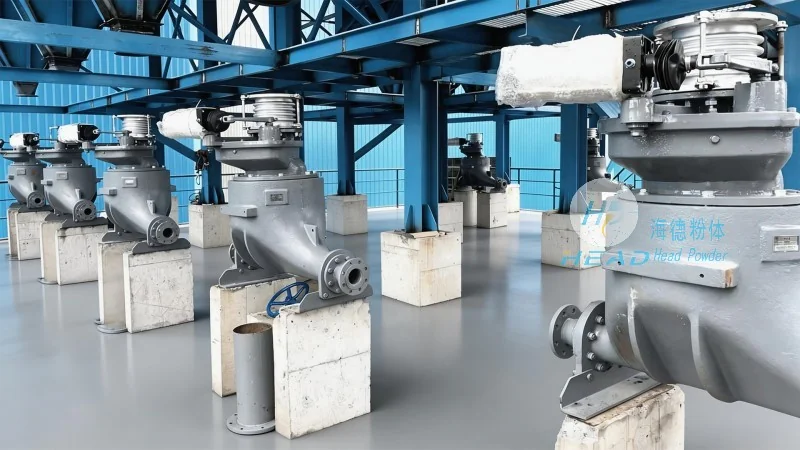
Introduction to Zinc Roast Sand Pneumatic Conveying Systems
Zinc roast sand, a byproduct of the zinc smelting process, requires efficient and reliable transport for downstream processing. Pneumatic conveying systems have emerged as a preferred method due to their ability to handle abrasive and dusty materials like zinc roast sand while minimizing environmental impact and operational costs. The choice between positive pressure and negative pressure systems is a critical decision that impacts system efficiency, maintenance requirements, and overall performance. This analysis compares the two primary modes to help industrial operators select the most suitable solution for their specific zinc roast sand handling needs.
Understanding Positive Pressure Conveying
Positive pressure pneumatic conveying systems operate by blowing air or gas into the conveying line, creating a pressure higher than the ambient air pressure. The material is entrained by the high-pressure air stream and transported through the pipeline to the destination. This mode is particularly effective for conveying materials over long distances or through complex network configurations. HeadPowder Engineering has extensive experience in designing positive pressure systems tailored to the unique characteristics of zinc roast sand, ensuring optimal flow rates and minimal pressure drop along the conveying path.
Advantages of Positive Pressure Conveying for Zinc Roast Sand
One of the primary advantages of positive pressure systems is their ability to handle high material loads with consistent performance. The high air pressure ensures that the material is fully entrained, reducing the risk of blockages or material degradation. Additionally, positive pressure systems are less susceptible to external air infiltration, which can introduce contaminants into the system. For zinc roast sand, which may contain fine particles prone to dusting, this feature is crucial for maintaining product quality and compliance with environmental regulations. HeadPowder Engineering’s positive pressure solutions are engineered to minimize pressure losses, allowing for efficient transport even over extended distances without the need for excessive air volumes.
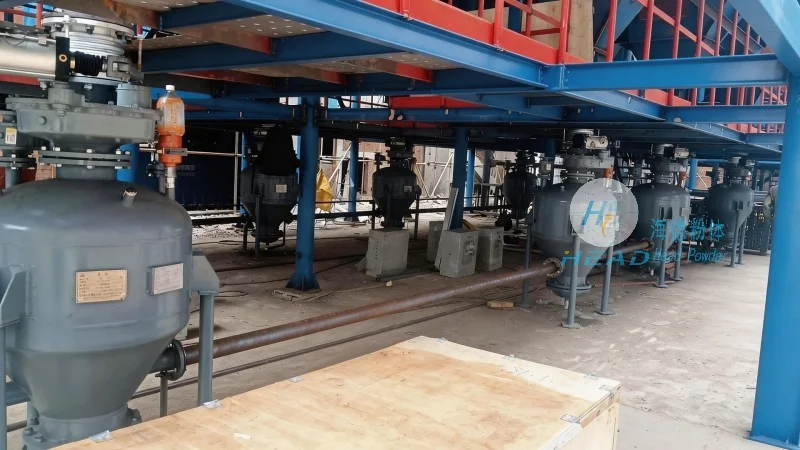
Challenges and Considerations in Positive Pressure Conveying
Despite their benefits, positive pressure systems require robust equipment capable of withstanding higher pressures. This includes high-performance blowers, durable pipelines, and specialized valves designed to handle abrasive materials. Maintenance costs can be higher due to the increased wear and tear on components, particularly in systems handling zinc roast sand’s abrasive properties. Additionally, the higher air pressure may necessitate more stringent safety measures to prevent leaks or pressure-related hazards. HeadPowder Engineering addresses these challenges through the use of high-quality materials, such as stainless steel and wear-resistant coatings, and provides comprehensive maintenance support to ensure long-term system reliability.
Understanding Negative Pressure Conveying
Negative pressure, or vacuum, pneumatic conveying systems operate by creating a vacuum in the conveying line, drawing material from the source and transporting it to the destination. The material is entrained by the suction created by the vacuum pump, which pulls the material through the pipeline. This mode is often preferred for shorter conveying distances or when the material source is located at a higher elevation than the destination.
Advantages of Negative Pressure Conveying for Zinc Roast Sand
One key advantage of negative pressure systems is their lower initial investment and operational costs compared to positive pressure systems. The equipment required, such as vacuum pumps, is generally less expensive and requires less maintenance. Additionally, negative pressure systems are less likely to cause dust emissions at the source, as the material is drawn into the system rather than being blown out. This is particularly beneficial for zinc roast sand applications where dust control is critical to maintaining workplace safety and environmental compliance. HeadPowder Engineering’s negative pressure solutions are designed to handle the specific flow characteristics of zinc roast sand, ensuring efficient transport with minimal energy consumption.
Challenges and Considerations in Negative Pressure Conveying
A major challenge with negative pressure systems is their limited conveying distance and capacity. The vacuum created by the pump has a finite range, and longer distances or higher material loads can lead to reduced suction efficiency. This can result in lower material flow rates and increased pressure drop, requiring larger vacuum pumps or additional boosters. Additionally, negative pressure systems are more susceptible to external air infiltration, which can introduce contaminants and reduce the system’s efficiency. HeadPowder Engineering mitigates these issues by optimizing pipeline design, using high-efficiency vacuum pumps, and implementing proper sealing techniques to maintain system performance.
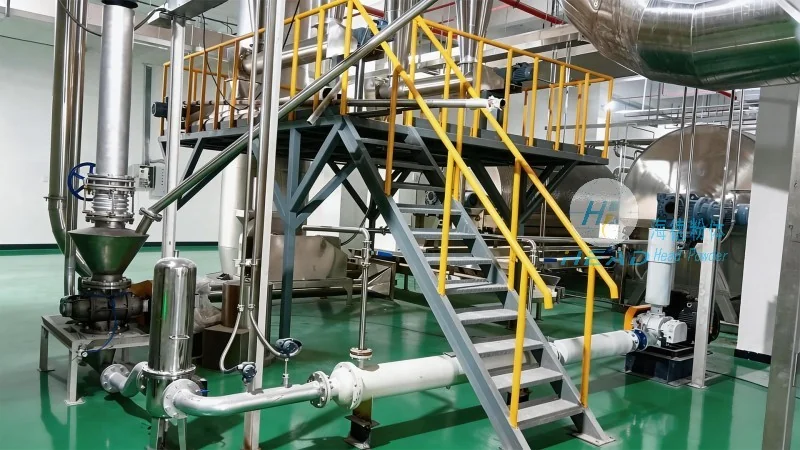
Comparative Analysis: Positive Pressure vs. Negative Pressure Conveying
When selecting a pneumatic conveying system for zinc roast sand, industrial operators must carefully evaluate the specific requirements of their application. Positive pressure systems are generally more suitable for long-distance, high-volume transport, while negative pressure systems are better suited for shorter distances or applications where dust control is a primary concern. The choice also depends on factors such as material characteristics, system layout, and budget constraints. HeadPowder Engineering provides customized solutions that balance performance, cost, and operational efficiency, ensuring that the selected system meets the unique needs of each zinc roast sand handling project.
HeadPowder Engineering: Your Partner in Zinc Roast Sand Conveying Solutions
As a leading provider of industrial material handling solutions, HeadPowder Engineering offers comprehensive services for the design, installation, and maintenance of zinc roast sand pneumatic conveying systems. With decades of experience in the industry, our team of experts understands the challenges associated with handling abrasive and dusty materials like zinc roast sand. We leverage advanced engineering techniques and high-quality materials to deliver systems that are reliable, efficient, and cost-effective. Our commitment to customer satisfaction and technical excellence has made HeadPowder Engineering a trusted partner for companies operating in the zinc smelting and processing industry.
HeadPowder Engineering is headquartered in Shandong, China, and serves clients worldwide with tailored solutions that meet their specific requirements. Whether you need a positive pressure or negative pressure system for your zinc roast sand handling operations, we are equipped to provide the expertise and support needed to ensure successful implementation and long-term performance.




