Barley, a foundational raw material in the brewing and food industries, demands efficient and reliable handling systems to preserve quality and optimize operational performance. Pneumatic conveying technology has become a critical solution for transporting barley from storage silos to processing units. This article provides a comprehensive exploration of negative and positive pressure pneumatic conveying systems, examining their operational principles, advantages, and practical applications in barley handling.
Foundations of Pneumatic Conveying for Barley
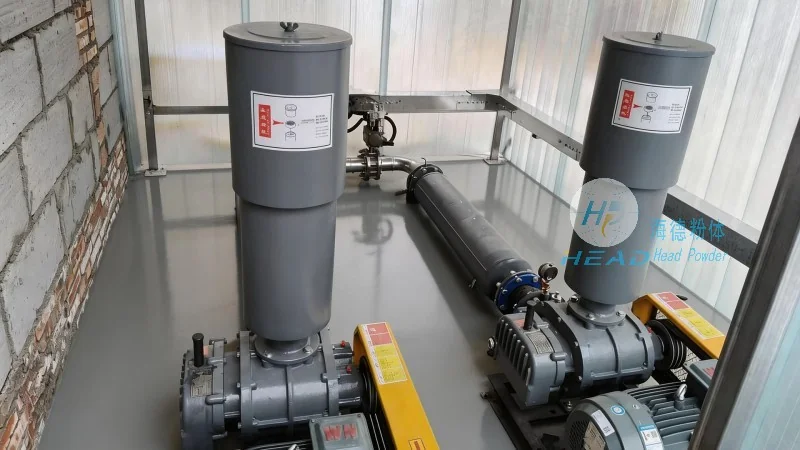
Pneumatic conveying systems utilize air or gas to transport bulk materials like barley through a pipeline network. The two primary system types are negative pressure (vacuum) and positive pressure (pressure) systems. Each operates on distinct mechanisms, offering tailored benefits based on the specific requirements of barley processing and transportation.
Negative Pressure (Vacuum) Pneumatic Conveying
Negative pressure systems function by creating a vacuum at the receiving end of the pipeline, drawing barley from the source (e.g., storage bins or silos) into the system. This method excels in long-distance or complex pathway applications, as the vacuum ensures material is drawn without mechanical feeders at the source, reducing degradation risks. Key advantages include effective handling of fine/dusty materials, consistent flow maintenance, and energy efficiency for extended transport distances. However, limitations exist regarding maximum distance and capacity, as vacuum strength diminishes over longer pipelines.
Positive Pressure (Pressure) Pneumatic Conveying
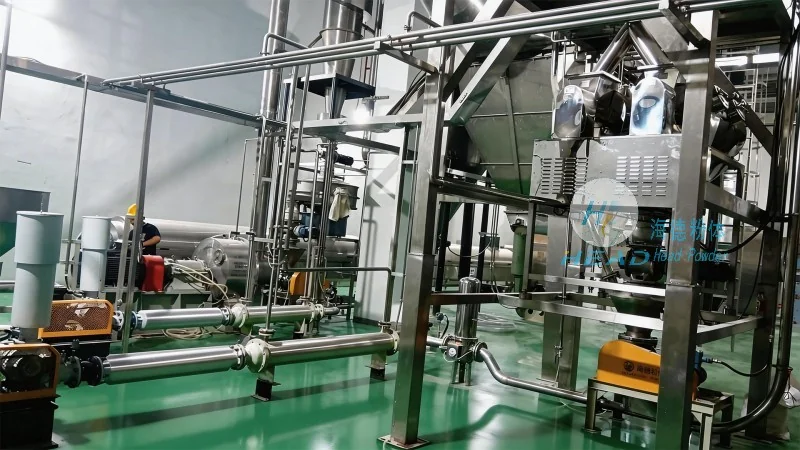
Positive pressure systems operate by compressing air/gas and forcing it through the pipeline, pushing barley from the source to the destination. Ideal for short-to-medium distances with high throughput, this method ensures efficient, unobstructed flow. Advantages include handling larger volumes, higher material densities, and flexibility for close-proximity transport (e.g., within a brewery). However, higher energy consumption and component wear limit suitability for long-distance transport.
Application Considerations and System Design
The selection between negative and positive pressure systems depends on factors like transport distance, material volume, pipeline complexity, and processing equipment requirements. For example, a negative pressure system may suit remote silo-to-facility transport over several kilometers, while a positive pressure system is better for short-distance bin-to-milling operations. System design—pipeline diameter, flow rate, air velocity—must be optimized for efficiency. Regular maintenance (filter cleaning, component inspection) prevents blockages and ensures consistent performance.
HeadPowder Engineering: Specialized Barley Pneumatic Solutions
Shandong HeadPowder Engineering Co., Ltd., a leading pneumatic conveying solutions provider, specializes in designing customized systems for barley handling. With extensive industry experience, HeadPowder understands challenges like material variability, moisture content, and the need for gentle handling to preserve grain quality.
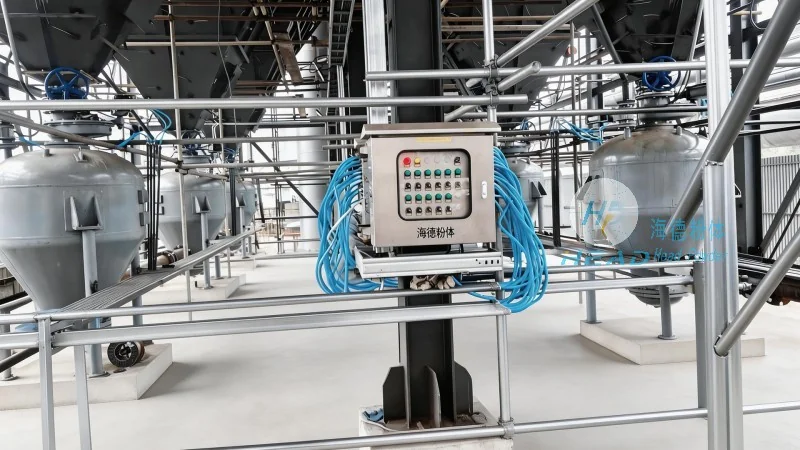
HeadPowder integrates advanced technology with practical engineering to deliver efficient systems. Their team collaborates with clients from consultation to installation, leveraging expertise in both negative and positive pressure systems to recommend optimal solutions. The company prioritizes quality and customer satisfaction through high-grade materials, rigorous testing, and quality control, ensuring systems meet or exceed industry standards for reliability and long-term cost-effectiveness.
Conclusion
Pneumatic conveying technology offers versatile, effective solutions for barley transportation. Success hinges on matching system type to process requirements. With expertise from companies like Shandong HeadPowder Engineering Co., Ltd., barley handling operations achieve efficient, reliable, and cost-effective pneumatic conveying systems that meet modern industry demands.




