For those in the food processing industry, especially those handling oat flour, understanding the right equipment for material transport is crucial. Oat flour pneumatic conveying equipment is a specialized system designed to efficiently move oat flour and other similar powders from one location to another within a processing facility. This equipment operates by using air to transport the material, eliminating the need for traditional mechanical conveyors that can cause product contamination or degradation. The design of such equipment is tailored to meet the specific characteristics of oat flour, ensuring optimal performance and product integrity.
Key Components of Oat Flour Pneumatic Conveying Systems
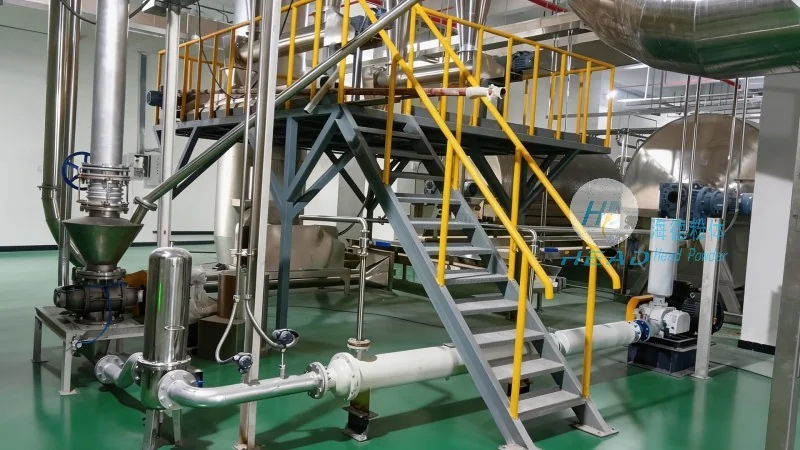
At the core of any pneumatic conveying system for oat flour are several key components that work in tandem to ensure smooth operation. The first component is the hopper or feed hopper, which holds the oat flour and feeds it into the system. This hopper is typically designed with a wide opening to allow easy loading and a smooth interior to prevent material buildup or caking. Next, the conveyor itself, which can be either positive or negative pressure, is responsible for moving the flour through the system. Positive pressure systems use blowers to force air and flour through a pipeline, while negative pressure systems use vacuum to draw the material into the line. The choice between these systems depends on factors such as the distance to be covered and the amount of material to be transported. Additionally, the system includes a filter or separator to remove any excess air and return it to the system, preventing dust and maintaining air quality. Finally, the discharge unit, which can be a rotary valve or a venturi, controls the release of the oat flour at the destination point, ensuring a controlled and consistent flow.
Design Principles for Efficient Oat Flour Handling
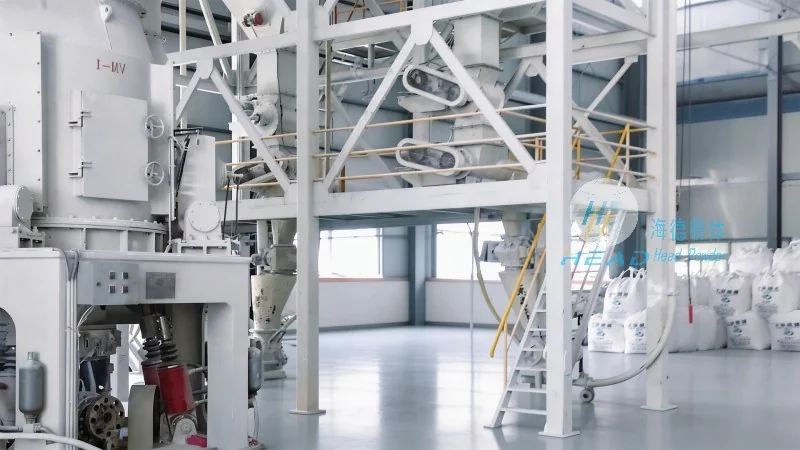
The design principles of oat flour pneumatic conveying equipment are centered on several critical factors to ensure efficiency, reliability, and product quality. First, the system must be designed to handle the specific properties of oat flour, such as its moisture content, particle size, and flowability. Oat flour is a fine powder that can be prone to bridging or caking in traditional hoppers, so the equipment is often equipped with agitators or vibrators to prevent these issues. Second, the system must maintain a consistent air-to-material ratio to ensure efficient transport without causing excessive pressure drops or energy consumption. The air velocity within the pipeline is carefully calculated to ensure that the flour particles are carried without settling or causing blockages. Third, the system must be constructed from materials that are compatible with oat flour and do not contaminate the product. Common materials include stainless steel, which is resistant to corrosion and easy to clean, and food-grade plastics for components that come into direct contact with the flour. Fourth, the system must be designed for easy maintenance and cleaning to meet regulatory standards for food processing. This includes features such as easy-to-remove components, CIP (Clean-In-Place) systems, and thorough cleaning protocols to prevent cross-contamination.
Benefits of Using Pneumatic Conveying for Oat Flour
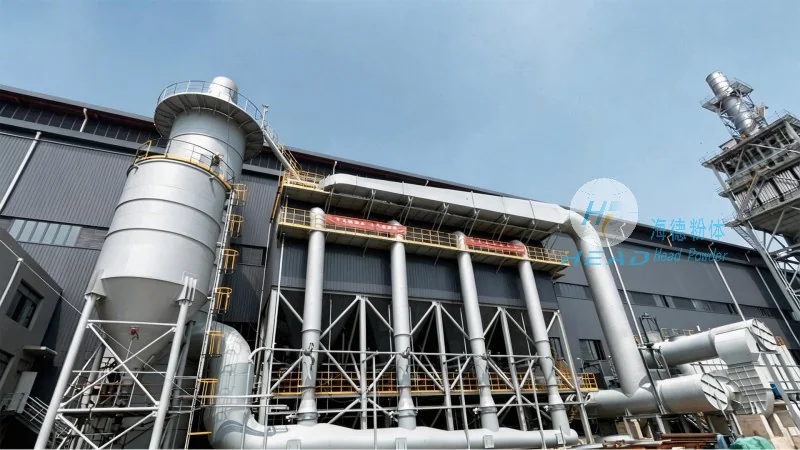
Implementing an oat flour pneumatic conveying system offers several benefits over traditional mechanical conveyors. First, it provides a hygienic and clean method of transporting the product, as there are no moving parts that can come into contact with the flour and introduce contaminants. This is particularly important in food processing, where product safety and quality are paramount. Second, the system can handle a wide range of material characteristics, including different moisture levels and particle sizes, making it versatile for various processing needs. Third, pneumatic conveying systems are generally more energy-efficient than mechanical systems, as they use air to move the material rather than mechanical force. This can lead to significant cost savings over time. Fourth, the system can be easily integrated into existing processing lines, allowing for a seamless transition without major disruptions to production. Finally, the system provides better control over the flow of material, ensuring consistent delivery to downstream processes such as mixing, packaging, or storage.
Conclusion: Choosing the Right Equipment for Oat Flour Processing
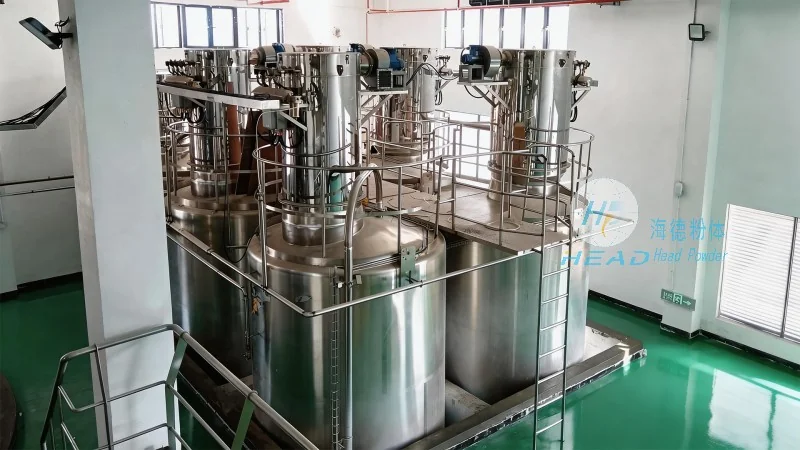
When selecting a pneumatic conveying system for oat flour processing, it is essential to consider the specific needs of the operation. The system must be designed to handle the unique properties of oat flour, ensuring efficient and reliable transport while maintaining product quality and safety. By understanding the key components and design principles of such equipment, manufacturers can make informed decisions that lead to improved efficiency, reduced costs, and enhanced product integrity. For those in the oat flour industry, investing in a well-designed pneumatic conveying system is a strategic move that can improve overall processing capabilities and meet the demands of modern food production.




