Denitration urea, as a key component in flue gas denitrification processes, requires efficient and reliable transportation systems to ensure optimal performance in industrial applications. The pneumatic conveying system for denitration urea is a specialized equipment solution designed to handle the material safely and effectively. This article provides an overview of the equipment, its structural design, and the underlying working principles that enable its operation.
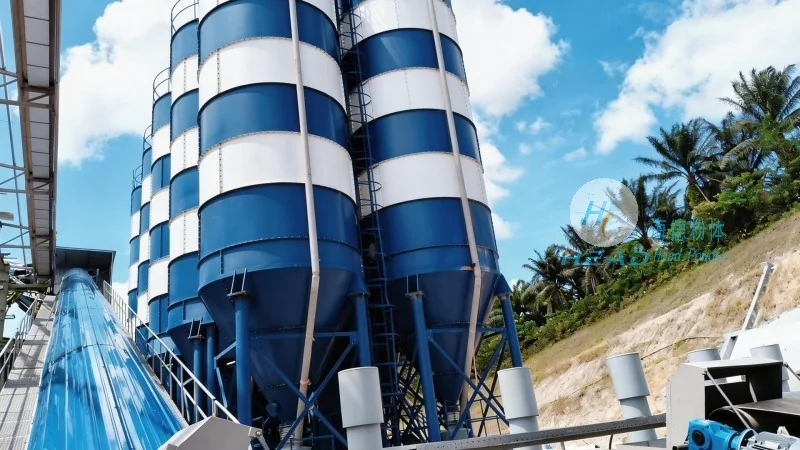
Overview of the Denitration Urea Pneumatic Conveying System
The denitration urea pneumatic conveying system is a critical piece of infrastructure in facilities that utilize urea-based flue gas denitrification technologies. It is engineered to transport urea granules or powders from storage silos or processing units to the injection points in the flue gas treatment system. The system is typically composed of several key components, including a hopper, a rotary feeder, a pneumatic conveying line, and a control system. These components work in tandem to ensure the consistent and controlled delivery of urea, which is essential for maintaining the efficiency of the denitrification process.
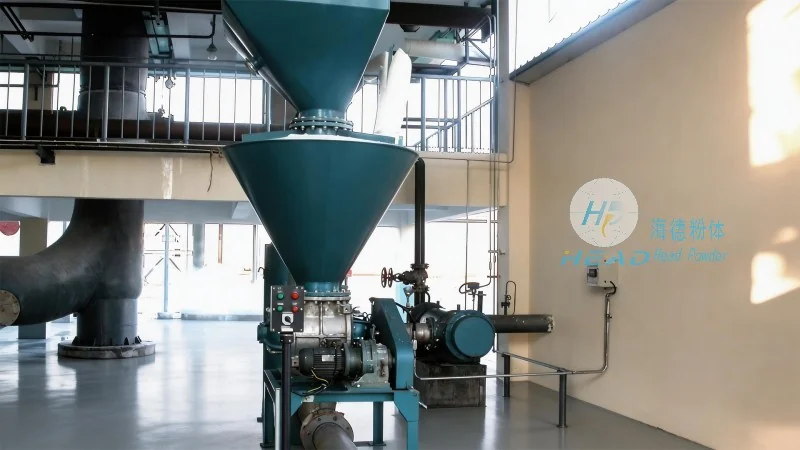
Key Components and Structural Design
The structural design of the denitration urea pneumatic conveying system is optimized for durability, efficiency, and safety. The hopper, often made from corrosion-resistant materials such as stainless steel, is designed to store the urea and provide a consistent feed to the system. The rotary feeder, which may be a star valve or a screw feeder, regulates the flow of urea into the conveying line, preventing overloading and ensuring a steady supply. The pneumatic conveying line, which can be either positive or negative pressure systems, is constructed from materials that can withstand the abrasive nature of urea particles and the potential presence of moisture or corrosive gases. The control system, equipped with sensors and automation controls, monitors the flow rate, pressure, and other parameters to maintain optimal operation and prevent system failures.
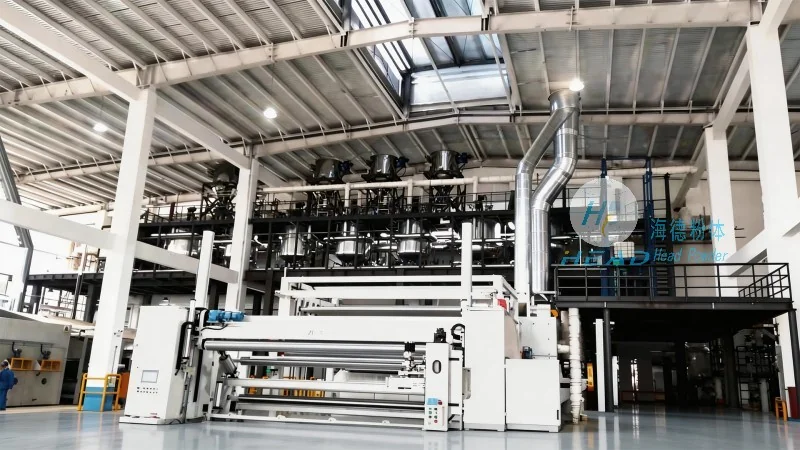
Working Principle of the Pneumatic Conveying System
The working principle of the denitration urea pneumatic conveying system is based on the use of air or other gases to transport the urea particles through the conveying line. In a positive pressure system, compressed air is introduced into the hopper, creating a pressure differential that forces the urea into the conveying line. The air then carries the urea particles along the pipeline to the injection point. In a negative pressure system, the conveying line is maintained at a lower pressure than the ambient air, and the air is drawn out of the line, pulling the urea particles along with it. The system is designed to maintain a consistent flow rate and pressure, ensuring that the urea is delivered to the injection point in a controlled manner. The control system continuously adjusts the air flow and pressure to maintain the desired flow rate, preventing clogging or other issues that could affect the performance of the denitrification process.
Application and Benefits of the System
The denitration urea pneumatic conveying system is widely used in power plants, industrial boilers, and other facilities that employ flue gas denitrification technologies. The system offers several benefits, including improved efficiency in the denitrification process, reduced labor costs due to automated operation, and enhanced safety by minimizing manual handling of urea. The system is also designed to be low maintenance, with components that are easy to replace and inspect. Additionally, the system can be customized to meet the specific requirements of different facilities, including varying flow rates, distances, and environmental conditions.
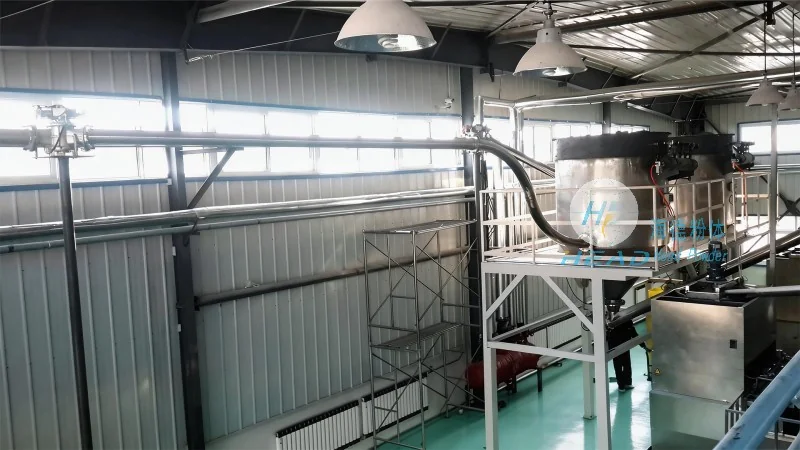
About Shandong HeadPowder Engineering Co., Ltd.
Shandong HeadPowder Engineering Co., Ltd., also known as headpowder, is a leading manufacturer and supplier of specialized engineering equipment for the chemical and industrial sectors. With a focus on innovation and quality, the company has developed a range of products, including pneumatic conveying systems, storage solutions, and processing equipment. Headpowder is committed to providing reliable and efficient solutions to meet the needs of its customers, with a strong emphasis on customer service and technical support. The company's facilities are located in Shandong, China, and it serves clients both domestically and internationally.




