For industries dealing with bulk materials, efficient and reliable material handling is crucial. A polypropylene pneumatic conveying system offers a solution that combines durability with effective material transport. This article explores what such a system entails and the fundamental design principles that underpin its operation, presented by Shandong HeadPowder Engineering Co., Ltd. (headpowder), a leading manufacturer in the field.
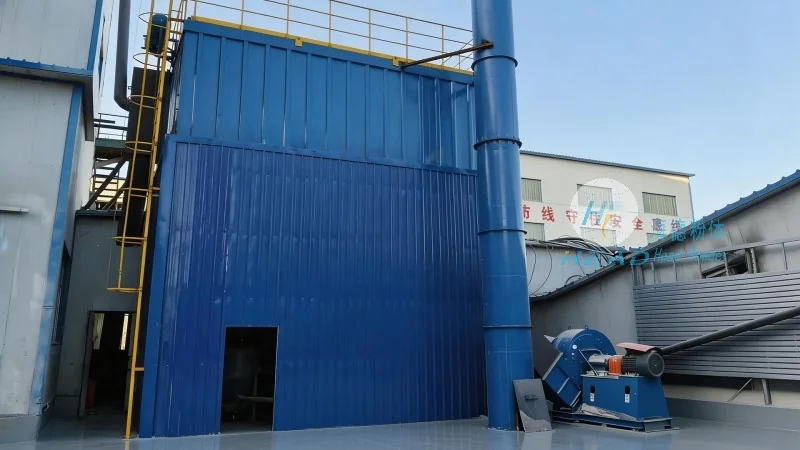
Polypropylene Pneumatic Conveying System: An Overview
A polypropylene pneumatic conveying system is a type of equipment used to transport bulk materials through a pipeline using air or other gases as the conveying medium. The system typically consists of a hopper for material storage, a blower or compressor to generate airflow, and a pipeline network that delivers the material from the source to the destination. The use of polypropylene in the construction of these systems provides several advantages, including resistance to corrosion, chemical resistance, and durability under various operating conditions.
Key Components of a Polypropylene Pneumatic Conveying System
The effectiveness of a polypropylene pneumatic conveying system relies on its key components, each designed to perform a specific function in the material transport process. The primary components include:
1. Material Hopper: This component is used to store the bulk material that needs to be conveyed. The hopper is typically made of polypropylene to ensure compatibility with a wide range of materials and to resist wear and tear from the material being handled.
2. Air Blower or Compressor: The blower or compressor is responsible for generating the necessary airflow to move the material through the pipeline. The choice of blower type (e.g., rotary lobe, centrifugal) depends on the specific material characteristics and the required conveying distance and capacity.
3. Pipeline Network: The pipeline network consists of polypropylene pipes that connect the hopper to the discharge point. The design of the pipeline, including the use of bends, elbows, and expansion joints, is critical to ensure smooth material flow and minimize pressure losses.
4. Control Valves and Regulators: These components are used to control the airflow and pressure within the system, allowing for precise regulation of the conveying process. They help maintain consistent material flow rates and prevent system overloading.
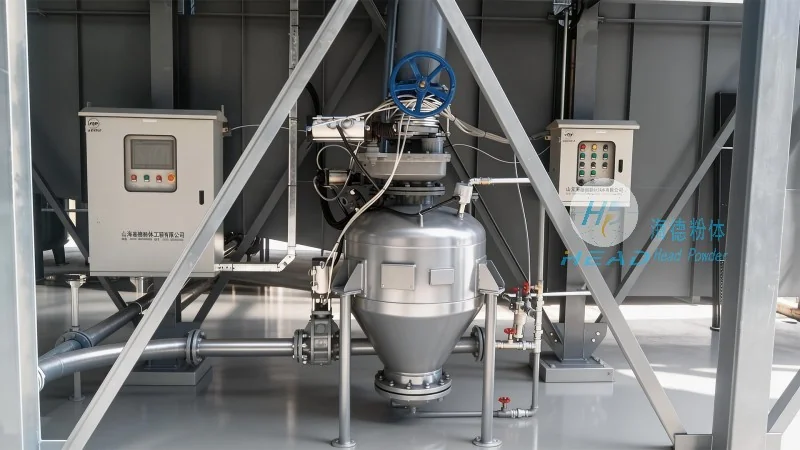
5. Filter and Dust Collection System: As the material is conveyed through the pipeline, it can generate dust and particles that need to be collected and filtered out. This system ensures that the material is delivered in a clean and controlled manner, while also protecting the equipment from contamination.
Design Principles of Polypropylene Pneumatic Conveying Systems
The design of a polypropylene pneumatic conveying system is based on several key principles that ensure efficient and reliable operation. These principles include:
1. Material Compatibility: The selection of polypropylene as the primary material for the system components is crucial because it is compatible with a wide range of bulk materials, including powders, granules, and pellets. This compatibility ensures that the system can handle various materials without causing degradation or contamination.
2. Pressure and Flow Rate Management: The system is designed to maintain optimal pressure and flow rates to ensure that the material is conveyed efficiently and without excessive wear on the components. The design considers factors such as the material's density, particle size, and moisture content to determine the appropriate airflow and pressure levels.
3. System Sizing and Capacity: The system is sized based on the required conveying capacity and distance. The blower or compressor is selected to provide sufficient airflow to move the material through the pipeline, while the pipeline diameter and length are optimized to minimize pressure losses and ensure smooth material flow.
4. Control and Monitoring: Modern polypropylene pneumatic conveying systems incorporate control and monitoring systems to ensure that the operation is stable and efficient. These systems may include sensors to monitor pressure, flow rate, and material level, as well as control valves to adjust the system parameters as needed.
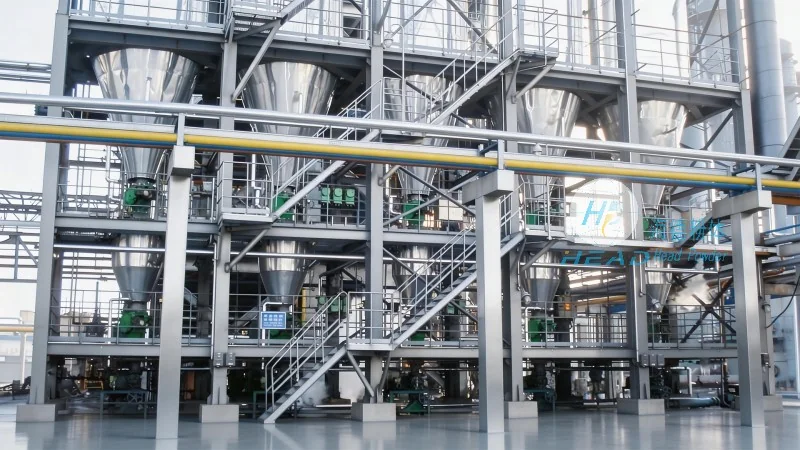
Advantages of Polypropylene Pneumatic Conveying Systems
There are several advantages to using a polypropylene pneumatic conveying system for material handling. These include:
1. Corrosion Resistance: Polypropylene is resistant to many chemicals and corrosive substances, making it suitable for handling materials that are sensitive to metal or other materials.
2. Chemical Resistance: The material is resistant to a wide range of chemicals, including acids, bases, and solvents, which makes it ideal for handling materials that are chemically aggressive.
3. Durability: Polypropylene is a durable material that can withstand the wear and tear of continuous operation, ensuring a long service life for the system.
4. Low Maintenance: The use of polypropylene components reduces the need for frequent maintenance and replacement, as the material is resistant to wear and corrosion.
5. Compact Design: The system can be designed to be compact and space-saving, making it suitable for installations with limited space.
Applications of Polypropylene Pneumatic Conveying Systems
Polypropylene pneumatic conveying systems are used in a variety of industries, including:
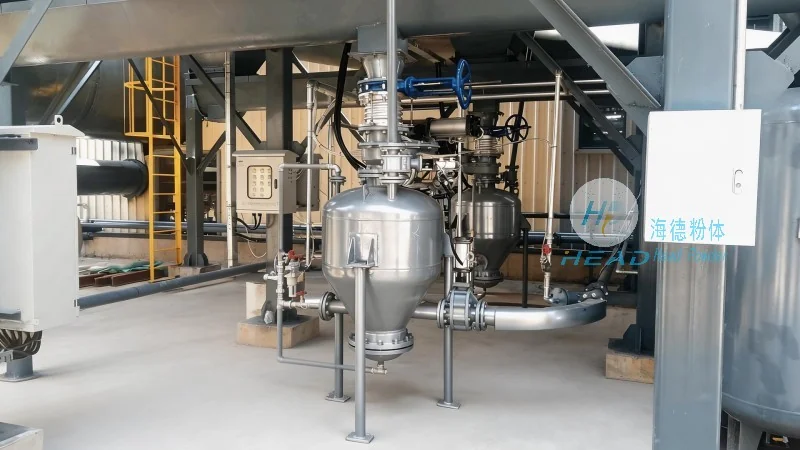
1. Pharmaceutical Industry: The system is used to transport pharmaceutical powders and granules, which require high levels of cleanliness and purity.
2. Food and Beverage Industry: The system is used to transport food powders, such as sugar, flour, and spices, which need to be handled in a hygienic and contamination-free manner.
3. Chemical Industry: The system is used to transport chemical powders and granules, which may be corrosive or reactive.
4. Plastic and Polymer Industry: The system is used to transport plastic pellets and powders, which are often handled in large quantities.
5. Mineral and Mining Industry: The system is used to transport mineral powders and granules, which may be abrasive or heavy.
Conclusion
A polypropylene pneumatic conveying system is a reliable and efficient solution for bulk material handling. The design principles and components of such a system are carefully selected to ensure compatibility with the material being handled, optimal pressure and flow rate management, and durability under various operating conditions. The use of polypropylene as the primary material provides several advantages, including corrosion resistance, chemical resistance, and low maintenance requirements. With its wide range of applications, a polypropylene pneumatic conveying system is an essential component in many industries that require efficient and reliable material transport.




