Compound fertilizer pneumatic conveying systems are advanced industrial solutions designed to efficiently transport bulk materials, particularly in the fertilizer industry. These systems utilize air pressure to move granular or powdered materials from one location to another, offering a flexible and reliable method for handling various types of fertilizer products. As a key component in modern fertilizer processing and distribution, these systems play a crucial role in enhancing operational efficiency and reducing material handling costs.
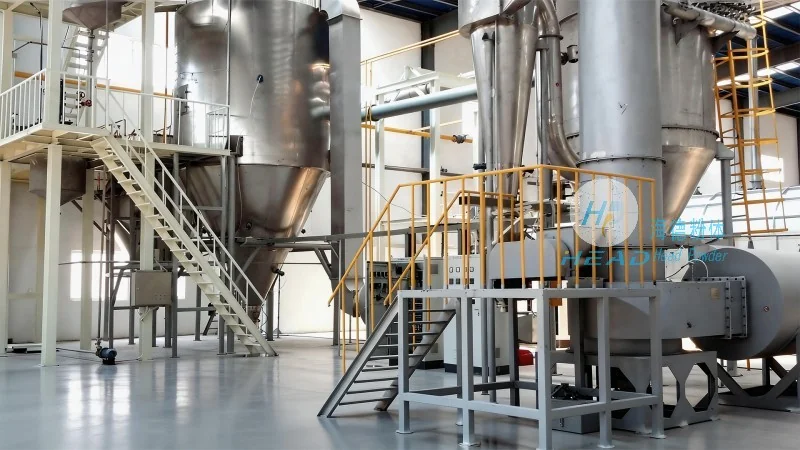
Key Components of a Compound Fertilizer Pneumatic Conveying System
The design of a compound fertilizer pneumatic conveying system typically involves several core components that work in tandem to ensure smooth material transport. These components include a material hopper for storage, a feeder to control the flow rate, a conveying line (often equipped with ducts or pipes), a dust collection system to maintain air quality, and a discharge unit for delivering the material to its final destination. Each component is carefully selected and integrated to optimize performance and minimize downtime.
How Pneumatic Conveying Works: The Core Mechanism
The fundamental principle behind pneumatic conveying is the use of air to create a flow that propels the fertilizer particles through the system. There are two main types of pneumatic conveying: pressure and vacuum. Pressure systems use compressed air to push the material through the line, while vacuum systems use a vacuum to draw the material in. For compound fertilizers, which often consist of granules or powders with varying sizes and densities, the choice of system depends on factors such as material characteristics, distance to be conveyed, and required flow rates. The system's design must account for the specific properties of the fertilizer, such as its moisture content, particle size distribution, and potential for dust generation, to ensure effective and safe operation.
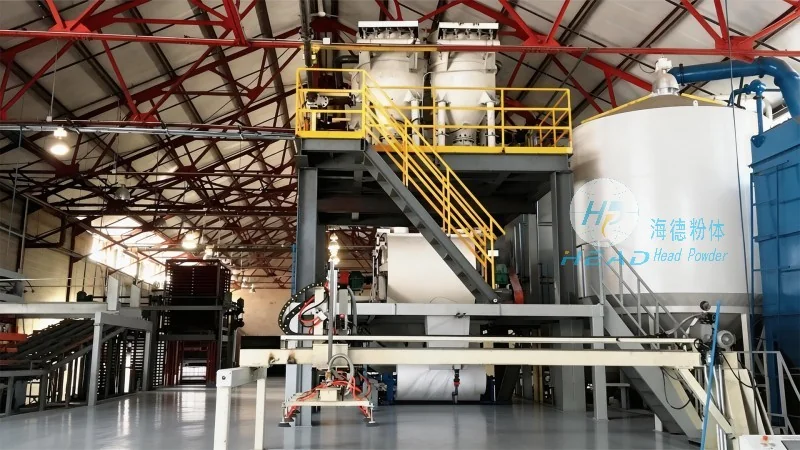
Design Principles for Optimal Performance
Designing an effective compound fertilizer pneumatic conveying system requires careful consideration of several key principles to ensure reliability, efficiency, and safety. First, the system must be tailored to the specific characteristics of the fertilizer being handled. This includes evaluating the material's flowability, cohesive properties, and potential for bridging or caking, which can affect the feeder's performance and overall system efficiency. Second, the conveying line's layout and diameter must be optimized to minimize pressure drop and energy consumption. Proper sizing of the ducts and use of appropriate fittings, such as bends and elbows, are critical to maintaining consistent air velocity and preventing material deposition or blockages. Third, the inclusion of a dust collection system is essential to comply with environmental regulations and maintain air quality in the facility. This system typically involves filters and cyclones to separate dust from the conveying air, ensuring that the exhaust air is clean and safe to release into the environment.
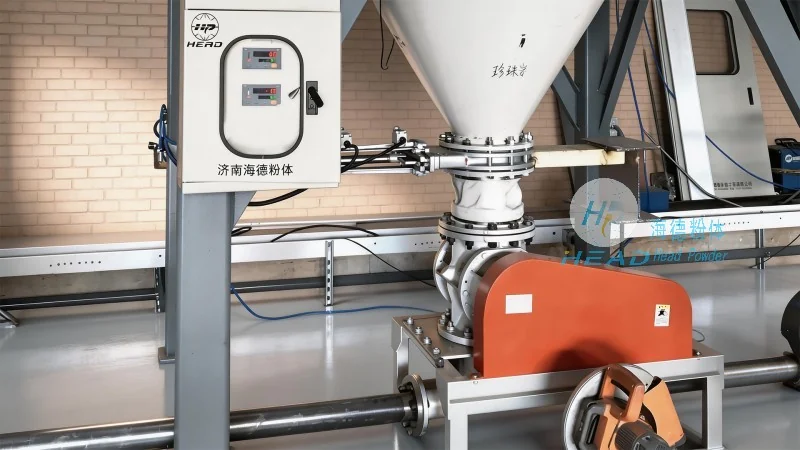
Benefits of Using a Compound Fertilizer Pneumatic Conveying System
Implementing a compound fertilizer pneumatic conveying system offers numerous benefits for fertilizer manufacturers and distributors. One of the primary advantages is the significant reduction in labor costs associated with manual material handling. By automating the transport process, these systems eliminate the need for workers to manually load and unload trucks or containers, improving safety and reducing the risk of accidents. Additionally, pneumatic conveying systems can handle large volumes of material with high throughput rates, increasing production efficiency and meeting demand for fertilizer products. The flexibility of these systems also allows for easy integration with existing processing lines, enabling manufacturers to adapt to changing production requirements without major modifications. Furthermore, the enclosed nature of the system helps prevent material contamination and loss, ensuring that the fertilizer remains in pristine condition from the production facility to the end user.
Case Study: HeadPowder's Compound Fertilizer Pneumatic Conveying Solutions
Shandong HeadPowder Engineering Co., Ltd., a leading provider of industrial conveying solutions, specializes in designing and manufacturing compound fertilizer pneumatic conveying systems tailored to the unique needs of the fertilizer industry. With years of experience in the field, HeadPowder has developed a range of systems that incorporate advanced technology and robust engineering to ensure reliable performance. The company's systems are designed to handle various types of compound fertilizers, including NPK (nitrogen, phosphorus, potassium) blends and other specialty fertilizers, with precision and efficiency. HeadPowder's approach to system design emphasizes customization, ensuring that each solution is optimized for the specific material characteristics, production capacity, and operational requirements of the client. By leveraging their expertise in material handling and pneumatic technology, HeadPowder helps fertilizer manufacturers improve their operational efficiency, reduce costs, and enhance product quality.




