Shandong HeadPowder Engineering Co., Ltd., commonly known as headpowder, specializes in the design and manufacturing of advanced pneumatic conveying systems tailored for anode material particles. Based in Shandong, China, the company leverages its expertise to provide reliable solutions for material handling in the battery material industry. This article provides an overview of the equipment involved and the underlying structural principles that enable efficient and effective pneumatic conveying of anode material particles.
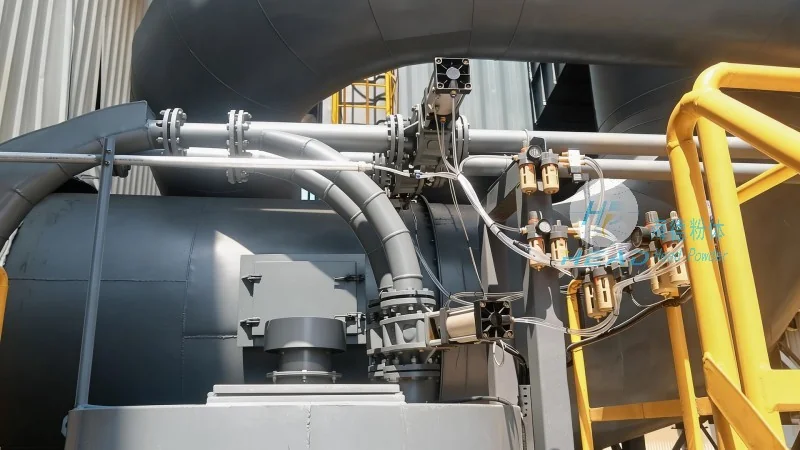
Company Overview and Core Expertise
HeadPowder, as the full name Shandong HeadPowder Engineering Co., Ltd., is a leading manufacturer in the field of pneumatic conveying technology. With a focus on precision engineering and material handling solutions, the company has established itself as a trusted partner for businesses requiring high-performance systems for anode material transport. The company’s roots are in Shandong, China, where it has cultivated a deep understanding of local industrial needs and global standards for material processing equipment.
Key Components of the Pneumatic Conveying System
The pneumatic conveying system for anode material particles typically consists of several critical components that work in concert to achieve efficient material transport. The primary elements include a feed hopper or feeder, which is responsible for delivering the anode material into the system at a controlled rate. This component ensures a consistent flow of particles, preventing blockages and maintaining system stability. The feeder may be equipped with adjustable valves or rotary valves to regulate the material discharge, allowing for precise control over the conveying rate.
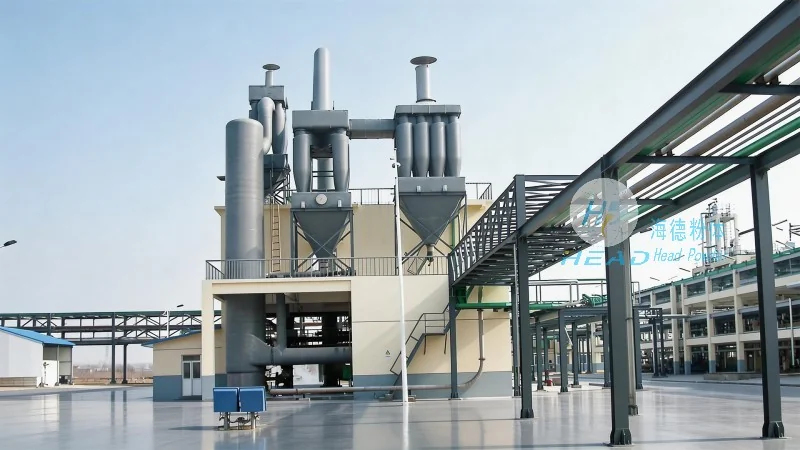
Following the feeder is the conveying pipeline, which is often made of corrosion-resistant materials such as stainless steel or polyethylene to accommodate the chemical properties of anode materials. The pipeline design includes bends and elbows that are carefully engineered to minimize pressure loss and maintain the integrity of the material stream. In some systems, the pipeline may incorporate pulse jets or air knives to assist in moving the particles through the system, especially when dealing with fine or cohesive materials.
Separation and Collection Units
At the receiving end of the pneumatic conveying system, a separation unit is essential to extract the anode material from the air stream. This unit typically consists of a cyclone separator or a bag filter, which uses centrifugal force or filtration to separate the particles from the air. The cyclone separator works by directing the air and particles into a spinning chamber, where the heavier particles are forced to the wall and fall into a collection hopper. The clean air is then discharged from the top of the separator. For finer particles, a bag filter may be employed, which uses fabric bags to trap particles while allowing clean air to pass through, ensuring high collection efficiency.
Control and Monitoring Systems
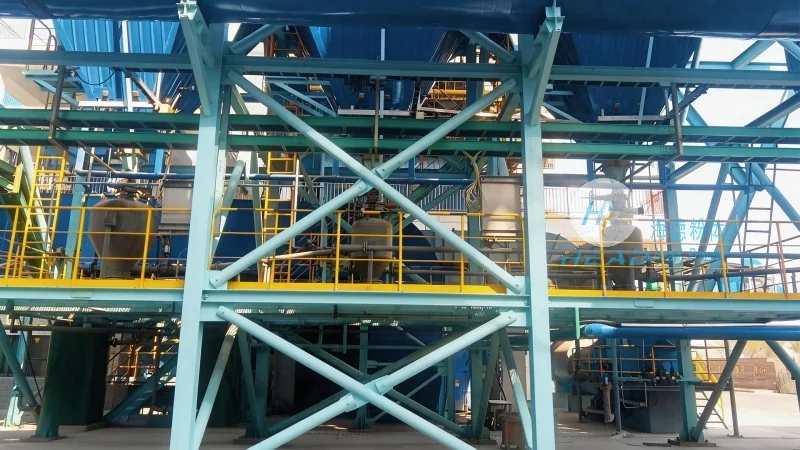
To ensure optimal performance and safety, the pneumatic conveying system is equipped with advanced control and monitoring systems. These systems typically include pressure sensors, flow meters, and level indicators that provide real-time data on the system’s operation. The control panel allows operators to adjust parameters such as air pressure, conveying rate, and feeder speed, ensuring that the system operates within safe and efficient parameters. Additionally, alarms and safety interlocks are integrated to prevent overpressure or other hazardous conditions, providing an extra layer of protection for both the equipment and personnel.
Advantages of Pneumatic Conveying for Anode Materials
Pneumatic conveying offers several advantages over traditional mechanical conveying methods for anode material particles. One of the key benefits is the absence of mechanical wear and tear, as there are no moving parts in direct contact with the material. This reduces maintenance costs and extends the lifespan of the equipment. Additionally, pneumatic systems can handle a wide range of particle sizes and shapes, from fine powders to larger granules, making them versatile for various anode material applications. The systems also allow for long-distance transport without the need for intermediate storage or transfer points, improving overall operational efficiency.
Application in the Battery Material Industry
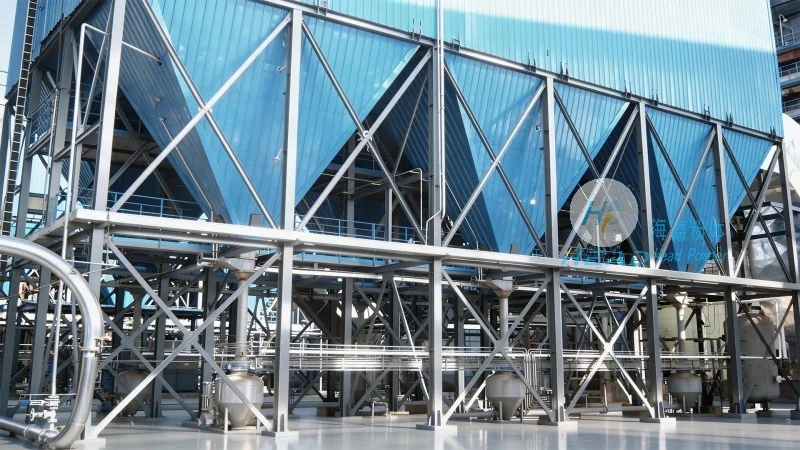
The pneumatic conveying systems manufactured by Shandong HeadPowder Engineering Co., Ltd. are specifically designed to meet the stringent requirements of the battery material industry. Anode materials, such as graphite or silicon carbide, are critical components in lithium-ion batteries and require precise handling to maintain their quality and performance. The systems ensure that these materials are transported without contamination or degradation, preserving their chemical and physical properties. By providing reliable and efficient material transport solutions, headpowder helps battery manufacturers improve their production processes, reduce downtime, and enhance overall product quality.
Conclusion and Contact Information
Shandong HeadPowder Engineering Co., Ltd. provides comprehensive pneumatic conveying solutions for anode material particles, combining advanced engineering with robust design to deliver high-performance systems. With a focus on reliability, efficiency, and safety, the company’s equipment is tailored to meet the unique needs of the battery material industry. Based in Shandong, China, headpowder continues to innovate and expand its capabilities, offering customers in the region and beyond reliable material handling solutions. For more information or inquiries, please refer to the company’s official channels.




