For industrial operations dealing with sodium sulfate powder, efficient and reliable material handling is crucial. A pneumatic conveying system, specifically designed for sodium sulfate powder, offers a solution that ensures safe, clean, and continuous material transport. This article explores the concept of a sodium sulfate powder pneumatic conveying system and delves into its fundamental design principles, highlighting the technology's role in modern industrial processes. The information is provided by Shandong HeadPowder Engineering Co., Ltd., a company based in Shandong, China, specializing in advanced material handling solutions.
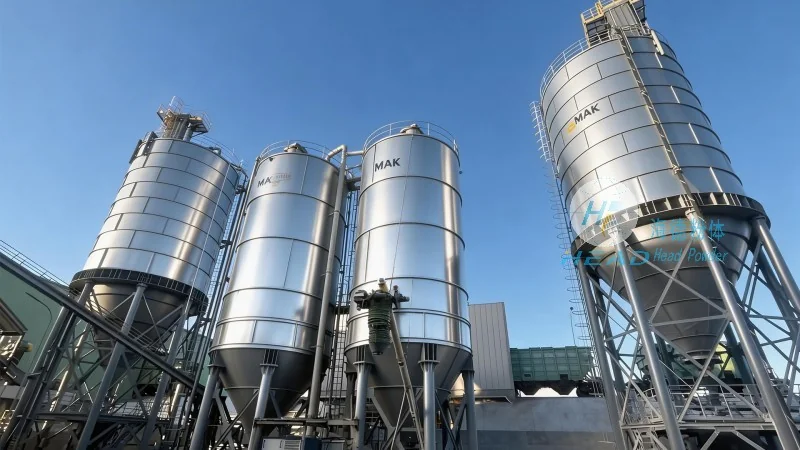
Understanding the Sodium Sulfate Powder Pneumatic Conveying System
A sodium sulfate powder pneumatic conveying system is a specialized equipment used to transport dry sodium sulfate powder from one location to another within an industrial facility. Unlike traditional mechanical conveying methods such as belt conveyors or screw conveyors, pneumatic conveying utilizes air or gas as the conveying medium to move the powder through a pipeline. This method is particularly advantageous for handling fine powders like sodium sulfate, which can be prone to dusting, caking, or segregation when handled by mechanical means.
The system typically consists of several key components, including a hopper for material storage, a feeder to control the flow of powder into the pipeline, a conveying line (often made of stainless steel to prevent corrosion from the sodium sulfate), a venturi or other air injection device to create the necessary pressure differential, and a receiver or discharge point where the powder is deposited. The entire system operates by generating a flow of air within the pipeline, which lifts and transports the powder particles through the system. This process is known as dilute-phase or dense-phase pneumatic conveying, depending on the air-to-powder ratio and the system's design.
Design Principles of the System
The design of a sodium sulfate powder pneumatic conveying system is governed by several critical principles aimed at ensuring optimal performance, efficiency, and safety. These principles include considerations for material properties, system pressure, flow rates, and the overall layout of the conveying line.
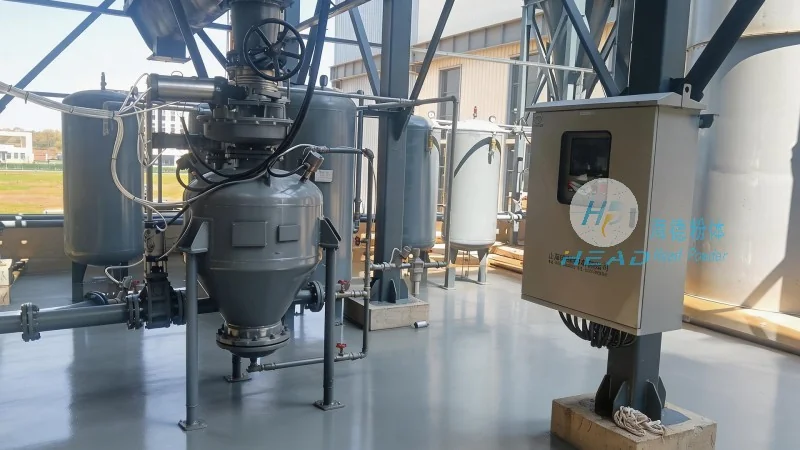
First, the system must account for the physical and chemical properties of sodium sulfate powder. Sodium sulfate is a white crystalline powder that can be hygroscopic, meaning it absorbs moisture from the air. This property can affect the powder's flowability and can lead to caking if not properly managed. Therefore, the design must include features to prevent moisture absorption, such as using sealed hoppers and maintaining a dry environment within the system. Additionally, the system's components must be resistant to corrosion, as sodium sulfate can be mildly acidic and may cause wear on metal surfaces over time.
Second, the system's pressure and flow rate are carefully calculated to ensure efficient transport. The pressure differential created by the air injection device must be sufficient to overcome the resistance of the pipeline and the weight of the powder. The flow rate is determined based on the required throughput and the size of the conveying line. For sodium sulfate powder, a dilute-phase system is often preferred, as it allows for higher throughput and lower energy consumption compared to dense-phase systems. However, dense-phase systems may be used in applications where the powder needs to be transported over longer distances or where the risk of product degradation is higher.
Third, the system's layout is designed to minimize the risk of blockages and ensure smooth operation. The conveying line is typically arranged in a straight or slightly inclined path to facilitate gravity-assisted flow, reducing the need for excessive air pressure. Bends and changes in direction are minimized or designed with smooth transitions to prevent powder accumulation and clogging. The system also includes safety features such as pressure relief valves and dust collection systems to prevent dust emissions and ensure compliance with environmental regulations.
Applications and Benefits
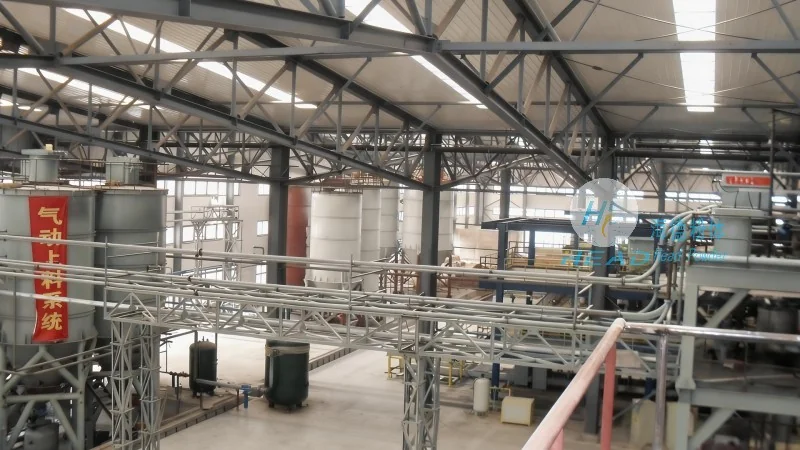
Sodium sulfate powder pneumatic conveying systems are widely used in various industries, including chemical manufacturing, food processing, and pharmaceuticals. The primary benefits of using such a system include improved safety, as the powder is contained within the pipeline and not exposed to the environment, reduced labor costs due to automated material handling, and increased efficiency due to continuous operation. Additionally, the system helps maintain the quality of the sodium sulfate powder by preventing contamination and degradation during transport.
For companies dealing with sodium sulfate, investing in a properly designed pneumatic conveying system can lead to significant operational improvements. The system's ability to handle fine powders without the need for manual handling reduces the risk of dust exposure and improves workplace safety. It also allows for precise control over the flow rate, ensuring that the correct amount of powder is delivered to the next stage of the production process. Furthermore, the system's compact design can save valuable floor space in industrial facilities, making it an attractive option for facilities with limited space.
Conclusion
In conclusion, a sodium sulfate powder pneumatic conveying system is a sophisticated and efficient solution for transporting dry sodium sulfate powder in industrial settings. The system's design is based on principles that account for the material's properties, system pressure, and operational requirements, ensuring reliable and safe material handling. By understanding these design principles and the benefits of pneumatic conveying, companies can make informed decisions about implementing such systems to enhance their production processes and improve overall operational efficiency. Shandong HeadPowder Engineering Co., Ltd. offers expert consultation and implementation services to help industries adopt these advanced material handling solutions.




