Hydrogen sulfide (H₂S) is a highly toxic and corrosive gas, making the safe and efficient handling of H₂S-containing powders a critical challenge in industrial applications. A hydrogen sulfide powder conveying system is a specialized piece of equipment designed to transport powders that may contain or be contaminated with H₂S. The design of such systems must prioritize safety, reliability, and environmental protection to mitigate the risks associated with H₂S exposure and equipment degradation.
Introduction to Hydrogen Sulfide Powder Conveying Systems
At Shandong HeadPowder Engineering Co., Ltd., we specialize in the engineering and manufacturing of advanced powder handling solutions, including systems tailored for hazardous materials like H₂S. Our company, commonly known as HeadPowder, is based in Shandong, China, and has established a reputation for delivering robust, customized solutions that meet the stringent requirements of industries dealing with toxic and corrosive substances.
Key Design Principles for H₂S Powder Conveying Systems
The design of a hydrogen sulfide powder conveying system involves several critical principles to ensure safe operation. First, material selection is paramount. Components in contact with H₂S, such as pipes, valves, and bearings, must be made from materials resistant to corrosion, such as stainless steel, Hastelloy, or specialized polymers. This prevents the degradation of the system and reduces the risk of H₂S leakage.
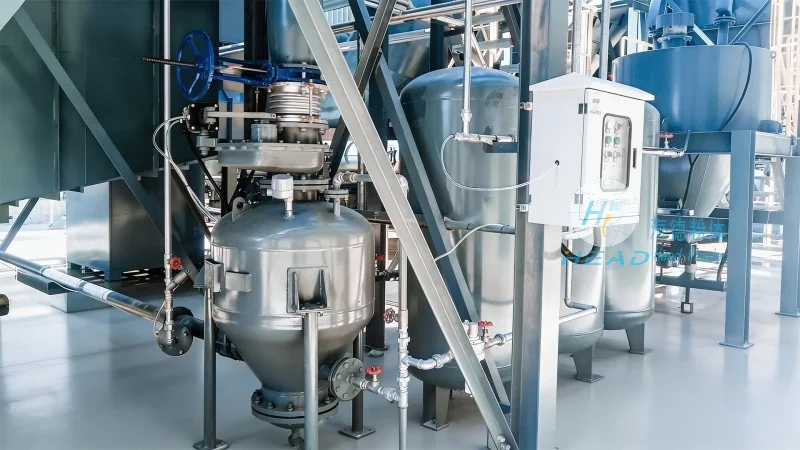
Second, effective sealing and containment are essential. The system must be designed to prevent H₂S from escaping into the environment or reaching personnel. This includes the use of double-seal mechanisms, gas-tight connections, and pressure relief valves to maintain a controlled environment. Additionally, the system may incorporate gas detection sensors to monitor H₂S levels and trigger alarms or shutdown procedures if concentrations exceed safe limits.
Third, the system must be equipped with appropriate control and monitoring features. Modern H₂S powder conveying systems often include automated controls that regulate flow rates, pressure, and temperature. These controls help maintain optimal operating conditions and prevent overloading or blockages. Furthermore, the system may be integrated with a dust suppression system to minimize the generation of airborne particles, which can increase the risk of H₂S inhalation.
Components and Functionalities of the System
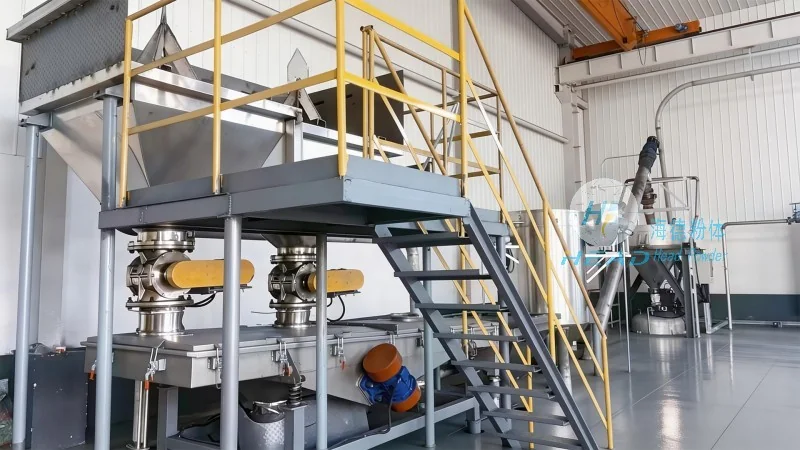
A typical hydrogen sulfide powder conveying system consists of several key components, each playing a vital role in the overall operation. The system may include a hopper or silo for storing the powder, a conveyor (such as a screw conveyor, pneumatic conveyor, or belt conveyor) for transporting the material, and a discharge mechanism for delivering the powder to its destination. The choice of conveyor type depends on the properties of the powder, such as its flowability, density, and moisture content, as well as the required conveying distance and capacity.
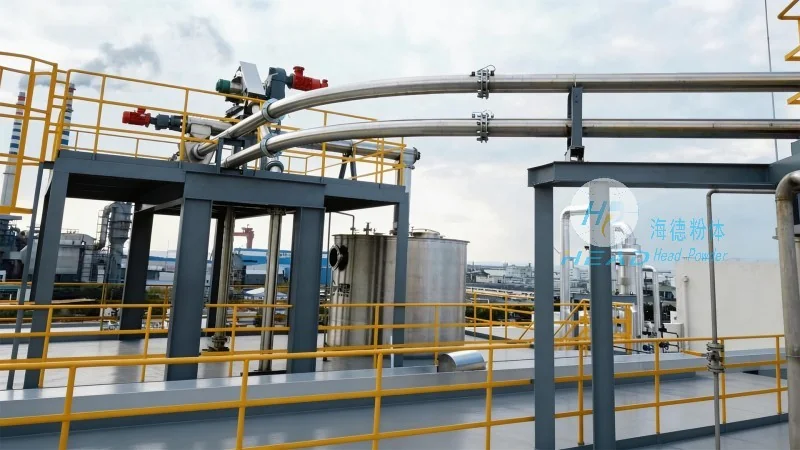
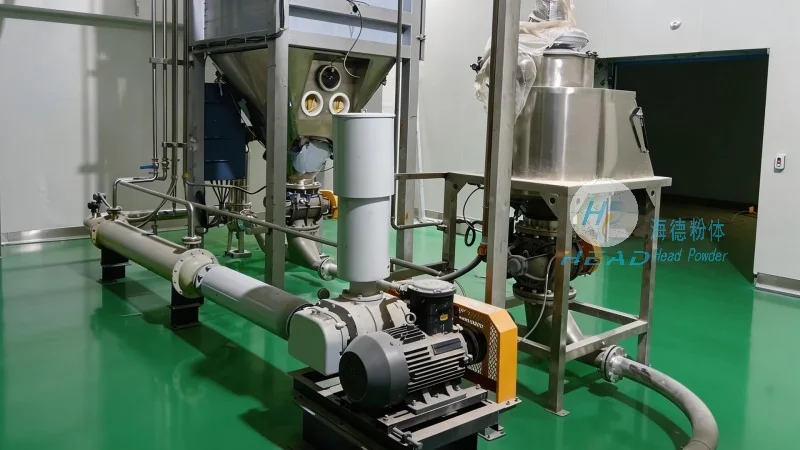
For H₂S-containing powders, the conveyor may be designed as a closed system to prevent exposure to the environment. For example, a pneumatic conveying system uses compressed air to transport the powder through a sealed pipeline, minimizing the risk of H₂S release. Alternatively, a mechanical conveyor like a screw or belt conveyor may be used, with the entire system enclosed in a gas-tight housing. In either case, the system must be equipped with proper ventilation and filtration to ensure that any H₂S that may escape is safely captured and neutralized.
Safety and Compliance Considerations
Operating a hydrogen sulfide powder conveying system requires strict adherence to safety regulations and industry standards. The system must be designed and installed in compliance with local and international safety codes, such as those from the Occupational Safety and Health Administration (OSHA) in the United States or the European Union's REACH regulations. Regular maintenance and inspection are critical to ensure the system remains in good working condition and that all safety features are functional.
Training for personnel operating the system is also essential. Workers must be educated on the hazards of H₂S, including its toxic effects and the importance of proper PPE (personal protective equipment) such as respirators and protective clothing. The system may also include emergency shutdown procedures and first aid protocols to respond to accidental releases or exposure incidents.
Applications and Benefits
Hydrogen sulfide powder conveying systems are used in a variety of industries where H₂S-containing powders are processed or handled. These include the petrochemical industry, mining, and the production of fertilizers or chemicals. The benefits of using a specialized system include improved safety for workers, reduced environmental impact, and increased efficiency in powder handling operations.
By implementing a well-designed H₂S powder conveying system, companies can minimize the risks associated with handling toxic materials while maintaining productivity and compliance with regulatory requirements. The investment in such a system is justified by the long-term benefits of enhanced safety, reduced downtime due to equipment failure, and improved overall operational performance.




