Calcium oxide, commonly known as quicklime, is a widely used chemical in various industrial applications due to its reactivity and versatility. Handling this material in powder form requires specialized equipment to ensure safety, efficiency, and product integrity. This article explores the concept of calcium oxide powder handling equipment and delves into the core design principles that make such systems effective.
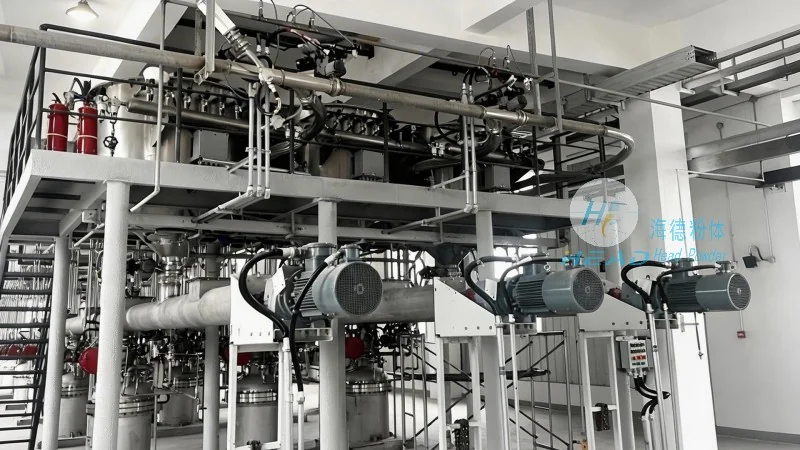
Understanding Calcium Oxide Powder Handling Equipment: Design Principles and Applications
Calcium oxide powder handling equipment is engineered to manage the transportation, storage, and processing of quicklime powder. These systems are crucial in industries like construction, steel production, and chemical manufacturing, where quicklime is used as a raw material or intermediate product. The primary goal of these systems is to minimize dust generation, prevent material degradation, and ensure safe operation in environments where calcium oxide can be hazardous if not handled properly.
Key Design Principles for Calcium Oxide Powder Handling Systems
The design of calcium oxide powder handling equipment is guided by several critical principles to address the unique properties of quicklime. First, the equipment must be constructed from materials that resist corrosion and chemical attack from calcium oxide, as the material can be highly reactive and absorb moisture from the air. Stainless steel, special alloys, or coated components are often used to ensure durability and longevity. Second, the system must incorporate effective dust control measures to prevent inhalation of fine particles, which can cause respiratory issues. This includes sealed hoppers, enclosed conveyor systems, and advanced filtration units.
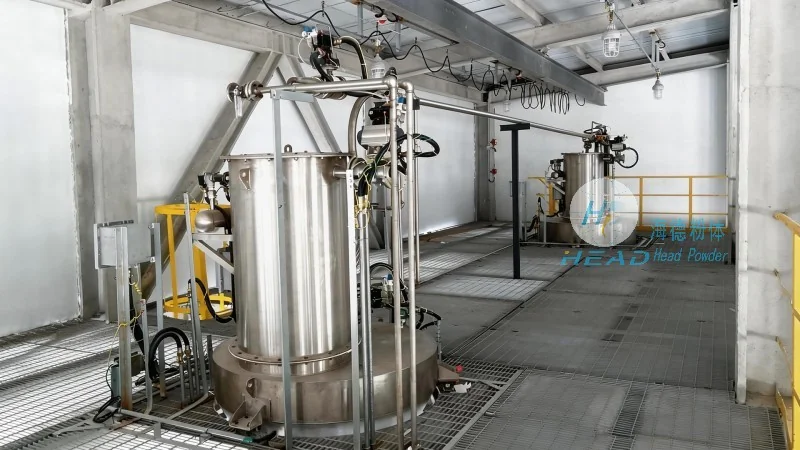
Third, the design must consider the flow characteristics of calcium oxide powder. The material can be cohesive or flowable depending on moisture content and particle size, requiring specialized feeding mechanisms like rotary valves or vibratory feeders to maintain consistent flow rates. Additionally, the system must be equipped with pressure relief and overfill prevention devices to avoid accidents and material loss. Finally, the equipment should integrate with existing industrial processes seamlessly, allowing for automated control and monitoring to enhance operational efficiency.
The Role of Material Selection in Equipment Construction
Material selection is a pivotal aspect of calcium oxide powder handling equipment design. Calcium oxide is hygroscopic, meaning it readily absorbs moisture from the air, which can lead to clumping and reduced flowability. Therefore, equipment components such as hoppers, silos, and pipelines are often lined with non-stick coatings or made from materials that minimize moisture absorption, such as PTFE or specialized plastics. The choice of material also impacts the equipment's resistance to thermal stress, as quicklime can generate heat during reactions or handling. High-temperature-resistant alloys and heat-resistant coatings are employed to withstand such conditions.
System Components and Their Functions
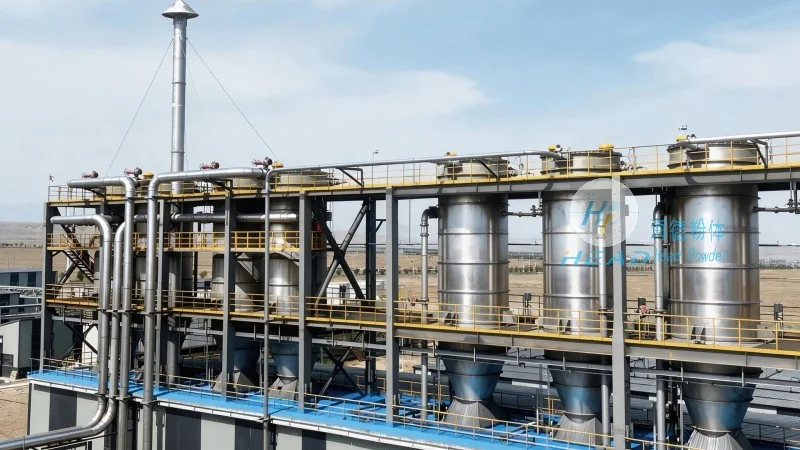
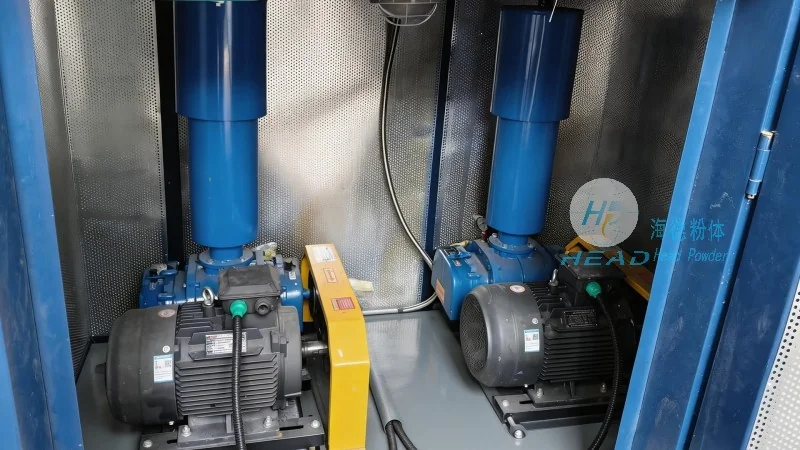
A typical calcium oxide powder handling system consists of several interconnected components, each serving a specific function. The system begins with a storage silo or hopper, where the powder is stored under controlled conditions to prevent moisture uptake. From the storage vessel, the powder is fed into a conveyor system, which may include screw conveyors, belt conveyors, or pneumatic (air) conveying lines. Pneumatic conveying is particularly effective for calcium oxide due to its ability to handle fine powders and maintain low dust levels. The conveying system is equipped with valves, gates, and control mechanisms to regulate the flow of material to downstream processing units or packaging equipment.
Along the conveyor path, dust collection systems are integrated to capture any airborne particles. These systems typically include cyclones, bag filters, or electrostatic precipitators, which ensure compliance with environmental regulations and protect personnel from exposure. The entire system is often enclosed in a dust-tight housing to contain particles and prevent contamination of the surrounding environment. Sensors and monitoring devices are also incorporated to track flow rates, pressure, and temperature, providing real-time data for process optimization and maintenance.
Company Introduction: Shandong HeadPowder Engineering Co., Ltd.
Shandong HeadPowder Engineering Co., Ltd., operating under the brand name headpowder, is a leading manufacturer of specialized powder handling equipment. With headquarters in Shandong, China, the company has extensive experience in designing and producing systems tailored to the unique needs of calcium oxide and other reactive powders. Headpowder's team of engineers and technicians leverages advanced technology and industry best practices to develop equipment that meets stringent safety and performance standards. The company's commitment to quality and customer satisfaction has made it a trusted partner for businesses in the chemical, construction, and industrial sectors.
Benefits of Using Specialized Calcium Oxide Powder Handling Equipment
Investing in specialized calcium oxide powder handling equipment offers numerous advantages for industrial operations. Firstly, these systems significantly reduce material loss by minimizing dust generation and ensuring efficient transportation. This translates to cost savings and improved profitability, as less material is wasted during handling. Secondly, the equipment enhances workplace safety by controlling dust exposure and preventing accidental spills or releases. This is crucial in environments where calcium oxide can cause respiratory and skin irritation. Thirdly, specialized systems improve process efficiency by maintaining consistent flow rates and reducing downtime caused by material clogging or equipment failure. Finally, the use of advanced materials and design principles ensures that the equipment has a long service life, reducing maintenance costs and increasing overall operational reliability.
In conclusion, calcium oxide powder handling equipment is a critical component in industries that rely on quicklime. The design principles behind these systems, including material selection, dust control, and flow management, are essential for ensuring safe and efficient operation. Companies like Shandong HeadPowder Engineering Co., Ltd. play a vital role in providing high-quality equipment that meets the demands of modern industrial processes, helping businesses optimize their operations and achieve their production goals.




