Lithium carbonate is a critical raw material in the production of lithium-ion batteries, which are fundamental to modern electronics and renewable energy storage systems. The efficient and safe handling of lithium carbonate powder is essential for industrial processes, as it ensures product quality, minimizes waste, and enhances operational safety. This article explores the concept of lithium carbonate powder handling equipment and delves into its design principles, highlighting the technology that enables the reliable transport and processing of this valuable material.
Key Components of Lithium Carbonate Powder Handling Systems
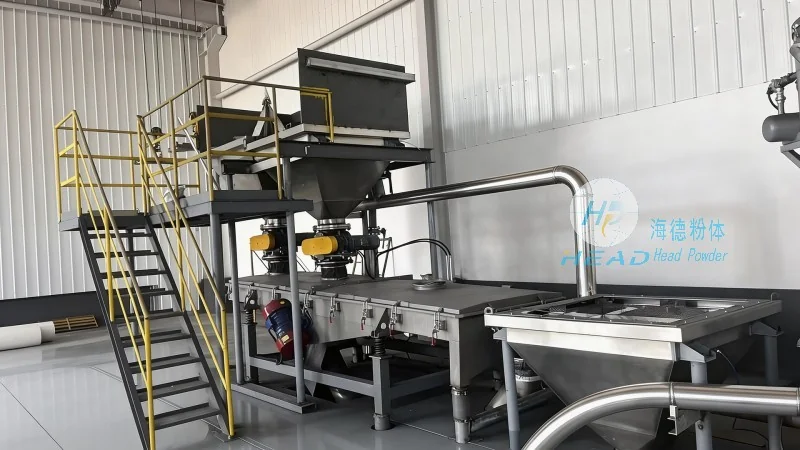
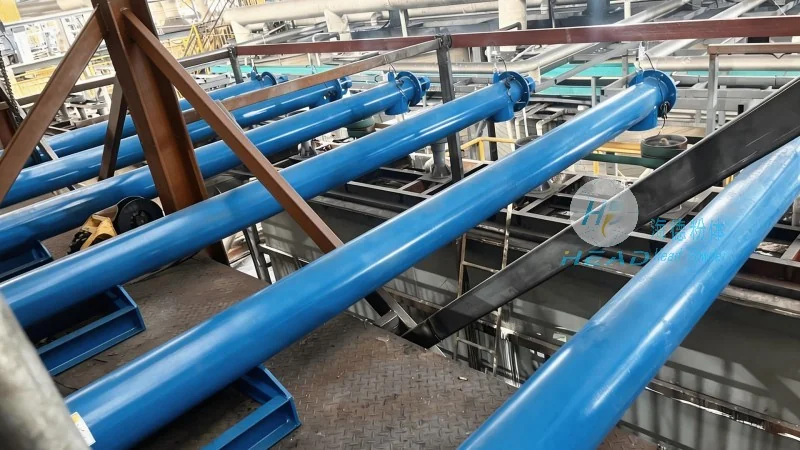
The lithium carbonate powder handling equipment typically consists of several interconnected components that work in tandem to achieve efficient material transport. These components include feeders, conveyors, storage silos, and control systems. Each component is designed to address specific challenges associated with handling fine powders, such as dust generation, material segregation, and the need for precise flow control. The feeders, for instance, are engineered to provide a consistent and controlled feed rate, preventing overloading or underfeeding that could disrupt the entire system. Conveyors, whether pneumatic or mechanical, are selected based on the material's properties and the required transport distance. Storage silos are often equipped with aeration systems to maintain material flowability and prevent caking, which can impede processing.
Design Principles for Efficient Powder Handling
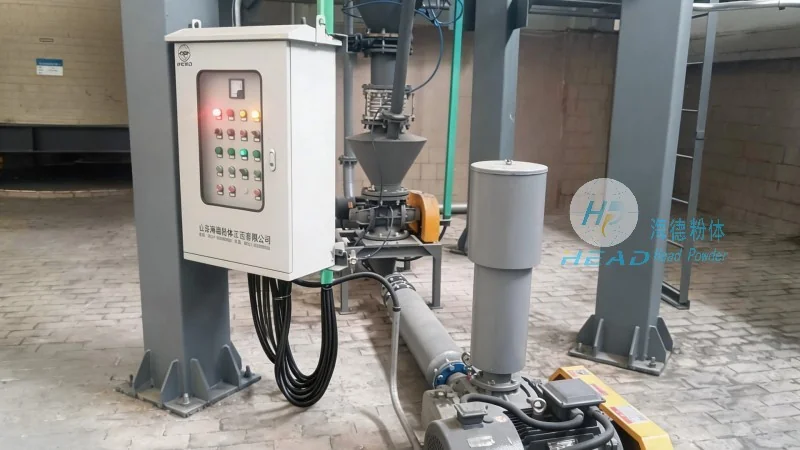
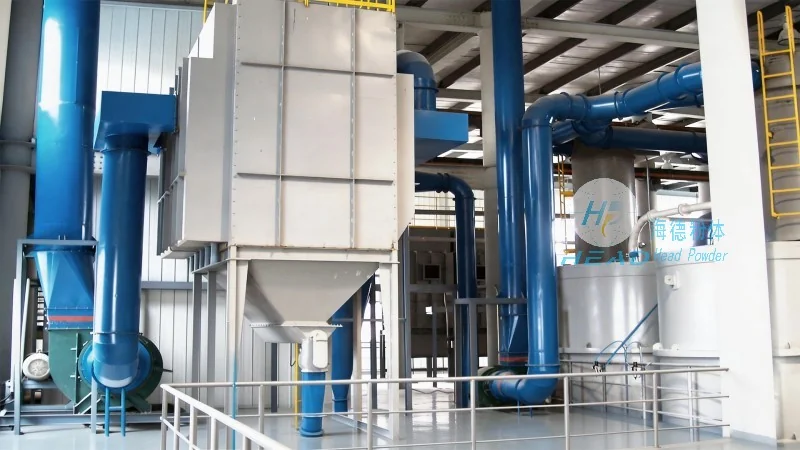
The design of lithium carbonate powder handling equipment is guided by several key principles aimed at optimizing performance, safety, and cost-effectiveness. One of the primary principles is the minimization of dust generation and exposure. This is achieved through the use of sealed systems, proper sealing of connections, and the incorporation of dust collection and filtration units. The equipment is also designed to prevent material segregation, which can occur when different particle sizes or densities are present. By maintaining a uniform flow and using appropriate mixing mechanisms, the system ensures that the lithium carbonate powder remains homogeneous throughout the handling process. Another critical principle is the control of pressure and flow. Pneumatic conveying systems, for example, rely on precise pressure regulation to maintain consistent material transport rates, while mechanical conveyors use adjustable speed drives to adapt to varying load conditions. The design also considers the material's hygroscopic nature, as lithium carbonate can absorb moisture from the air, leading to clumping and reduced flowability. Therefore, equipment often includes drying or moisture control features to maintain optimal material properties.
HeadPowder's Expertise in Lithium Carbonate Powder Handling Solutions
Shandong HeadPowder Engineering Co., Ltd., commonly known as HeadPowder, is a leading manufacturer specializing in custom powder handling solutions for various industries, including lithium processing. With a strong focus on innovation and customer-centric design, HeadPowder has developed advanced equipment tailored to the unique challenges of handling lithium carbonate powder. The company's engineering team leverages years of experience in powder technology to design systems that meet the highest standards of efficiency, safety, and reliability. HeadPowder's equipment is built with high-quality materials and components, ensuring durability and long-term performance. The company also provides comprehensive support, including installation, maintenance, and technical assistance, to help clients optimize their lithium carbonate handling processes. By partnering with HeadPowder, industries can enhance their operational efficiency, reduce downtime, and ensure the consistent quality of their lithium carbonate products.




