HeadPowder, a leading provider in the field of powder handling technology, specializes in the design and manufacturing of advanced conveying systems for synthetic fiber powders. This article delves into the concept of synthetic fiber powder conveying lines and explores the core design principles that underpin their functionality and efficiency.
Understanding Synthetic Fiber Powder Conveying Lines
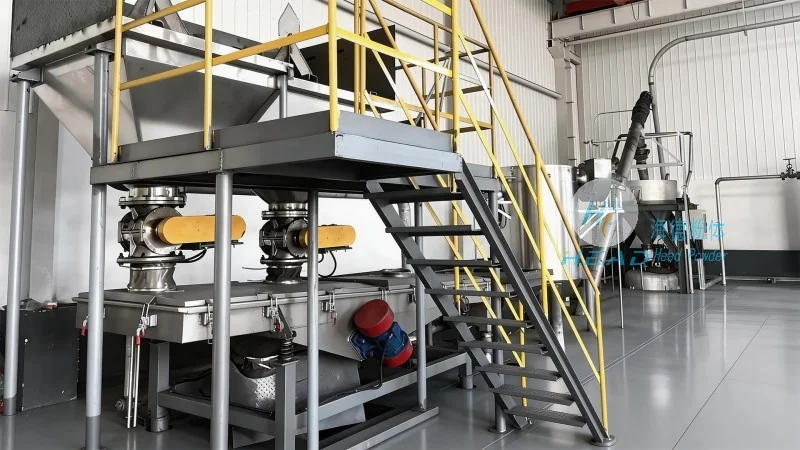
A synthetic fiber powder conveying line is a specialized system engineered to transport and handle synthetic fiber powders, which are commonly used in various industrial applications such as textiles, composites, and filtration. These powders often possess unique characteristics, including irregular shapes, varying particle sizes, and potential static electricity, which require specialized equipment to manage effectively. The conveying line typically consists of components like hoppers, feeders, conveyors (e.g., screw, pneumatic, or belt conveyors), and control systems, all integrated to ensure safe, efficient, and reliable material transport from the source to the destination.
Key Design Principles of Synthetic Fiber Powder Conveying Lines
The design of a synthetic fiber powder conveying line is guided by several critical principles aimed at optimizing performance, minimizing material degradation, and ensuring operational safety. These principles include:
1. Material Compatibility and Handling: The system must be constructed from materials that are compatible with synthetic fiber powders to prevent contamination and corrosion. Components like hoppers and pipelines are often made from stainless steel or specialized plastics to withstand the chemical and physical properties of the fibers. Additionally, anti-static measures are incorporated to prevent static buildup, which can cause material agglomeration or spark hazards.
2. Gentle Material Handling: Synthetic fibers are delicate and can be easily damaged during transport. The design emphasizes low shear and impact forces to maintain the integrity of the fibers. This is achieved through the use of slow-moving conveyors, soft start mechanisms, and gentle feeding systems that minimize friction and abrasion.
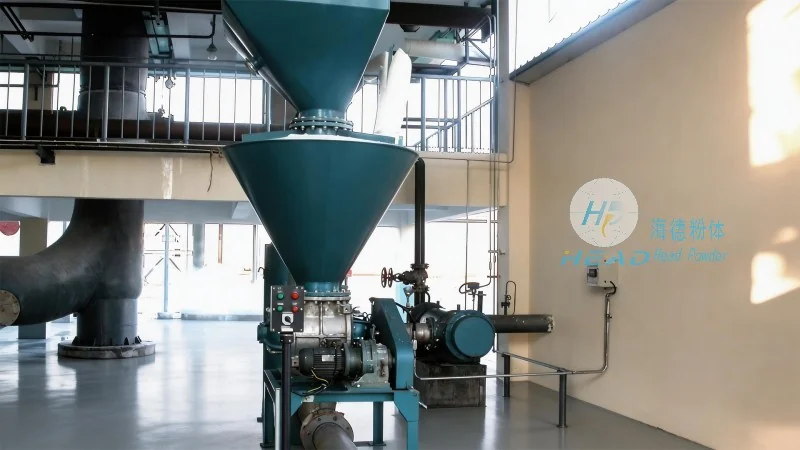
3. Efficient Material Flow Control: Precise control over the flow rate and pressure is essential to prevent blockages and ensure consistent material delivery. The system incorporates advanced control systems, including variable speed drives and pressure sensors, to regulate the flow of the powder. This ensures that the conveying line operates at optimal efficiency without overloading or underutilizing the system.
4. Integration with Processing Equipment: The conveying line is designed to seamlessly integrate with downstream processing equipment, such as mixers, extruders, or filters. This integration ensures a smooth transition of the synthetic fiber powder from the conveying stage to the next phase of production, minimizing downtime and improving overall process efficiency.
Components and Functionality of Synthetic Fiber Powder Conveying Lines
The synthetic fiber powder conveying line typically comprises several key components, each playing a crucial role in the overall operation:
1. Hopper: The hopper serves as the storage container for the synthetic fiber powder. It is designed with a wide opening to facilitate easy loading and a sloped bottom to ensure smooth discharge. The hopper may also include a level indicator to monitor the material level and a discharge valve to control the flow rate.
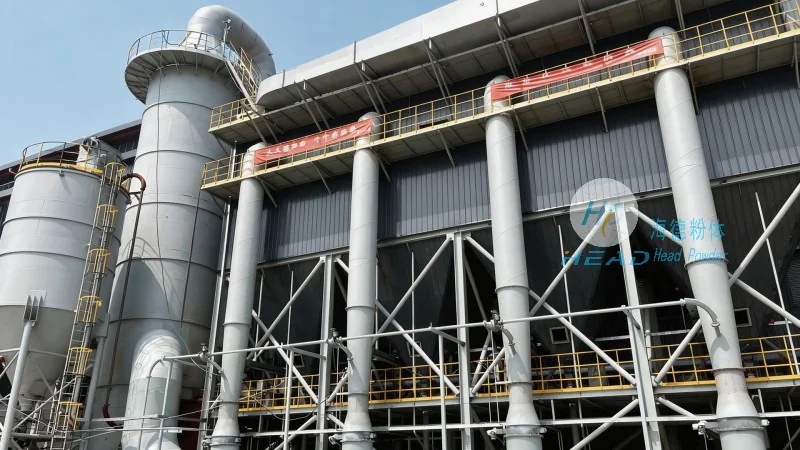
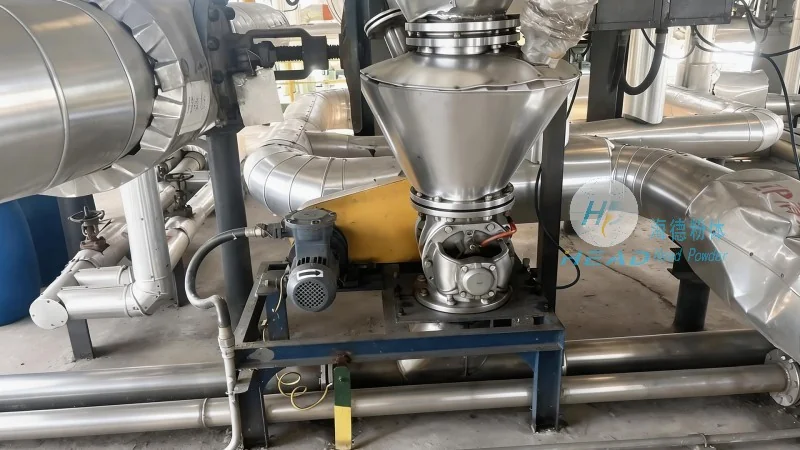
2. Feeder: The feeder is responsible for controlling the flow of the powder from the hopper into the conveyor. Common types include screw feeders, vibratory feeders, or rotary valves, which are selected based on the specific characteristics of the synthetic fiber powder and the required flow rate. The feeder ensures a consistent and controlled feed to the conveyor, preventing surges or blockages.
3. Conveyor: The conveyor is the core component of the system, responsible for transporting the synthetic fiber powder from the feeder to the discharge point. Depending on the application, different types of conveyors may be used, such as screw conveyors for horizontal or slight incline transport, pneumatic conveyors for long-distance or vertical transport, or belt conveyors for bulk material handling. The choice of conveyor type is determined by factors like the material's properties, the required distance, and the desired flow rate.
4. Control System: The control system manages the operation of the entire conveying line, including the feeder, conveyor, and any auxiliary equipment. It uses sensors and controllers to monitor parameters such as pressure, flow rate, and material level, and adjusts the system settings in real-time to maintain optimal performance. The control system also includes safety features, such as emergency stop buttons and overload protection, to ensure safe operation.
Applications and Benefits of Synthetic Fiber Powder Conveying Lines
Synthetic fiber powder conveying lines are widely used in various industries due to their ability to handle delicate materials efficiently and safely. Some common applications include:
1. Textile Industry: In the textile industry, synthetic fiber powders are used to produce fibers for fabrics, carpets, and other textile products. The conveying line ensures that the fibers are transported from storage to processing equipment without damage, maintaining the quality of the final product.
2. Composite Manufacturing: Synthetic fibers are often used in composite materials, such as fiberglass or carbon fiber composites. The conveying line delivers the fibers to the mixing or molding equipment, ensuring consistent fiber distribution and improving the mechanical properties of the final composite.
3. Filtration Systems: Synthetic fiber powders are used in filtration media for air and water purification systems. The conveying line transports the fibers to the filtration equipment, ensuring uniform distribution and optimal filtration performance.
By leveraging the advanced design principles and components of synthetic fiber powder conveying lines, industries can achieve improved efficiency, reduced material waste, and enhanced product quality. The system's ability to handle delicate materials safely and efficiently makes it an essential component in modern manufacturing processes.
Conclusion
Synthetic fiber powder conveying lines are sophisticated systems designed to transport and handle synthetic fiber powders with precision and care. The design principles, components, and applications of these lines are tailored to meet the specific needs of various industries, ensuring optimal performance and safety. As a leading provider in this field, HeadPowder continues to innovate and develop advanced conveying solutions that enhance the efficiency and reliability of synthetic fiber powder handling processes.




