Understanding the lithium-ion battery positive electrode material conveying line is crucial for optimizing the production efficiency and quality control in modern battery manufacturing. This specialized system is designed to handle the precise and safe transportation of raw materials and intermediate products involved in the production of positive electrode materials for lithium-ion batteries. The design principles of such a line are centered on ensuring high accuracy, reliability, and adaptability to meet the stringent requirements of the battery industry.
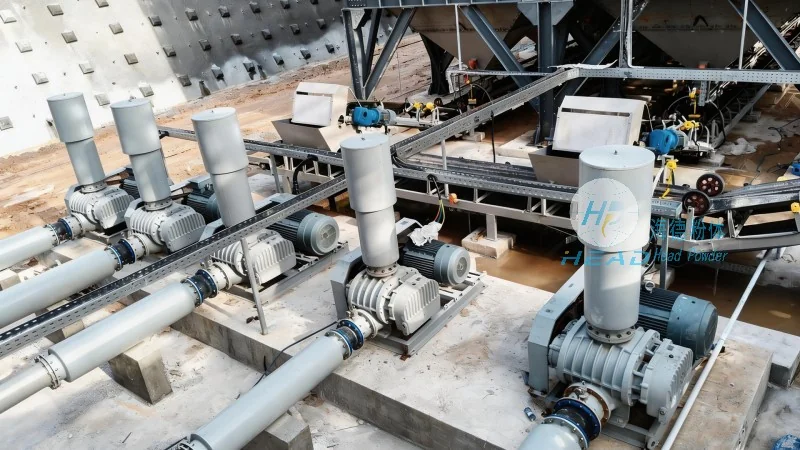
Key Components and Functions of the Conveying Line
The lithium-ion battery positive electrode material conveying line typically consists of several integrated components that work in tandem to achieve seamless material handling. The primary components include material feeders, conveyor systems, weighing and dosing units, mixing and blending equipment, and packaging or discharge mechanisms. Each component plays a vital role in maintaining the integrity and purity of the materials, which are critical for the performance of the final battery cells.
Material feeders are responsible for the initial intake of raw materials such as nickel, cobalt, manganese, and other active and inactive components. These feeders are often equipped with precise control systems to regulate the flow rate and ensure consistent material supply. The conveyor systems, which may include belt conveyors, screw conveyors, or pneumatic conveying lines, transport the materials from one processing stage to the next. These systems are designed to minimize material degradation and contamination, which could affect the battery's energy density and cycle life.
Weighing and Dosing Systems: Ensuring Precision in Material Mixing
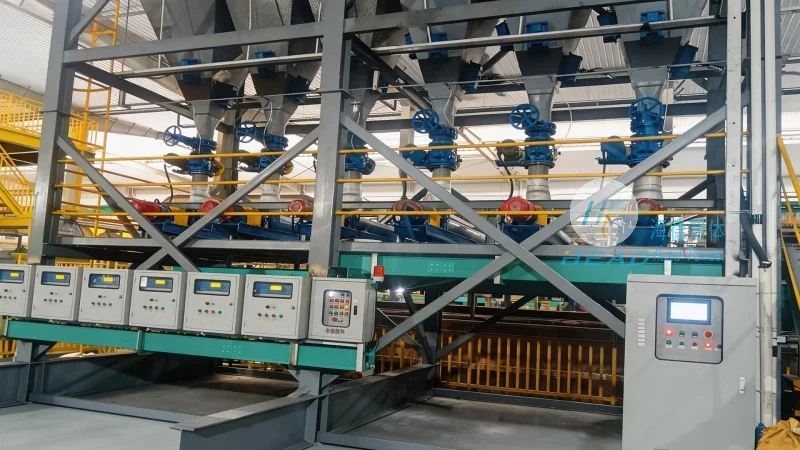
A critical aspect of the conveying line is the weighing and dosing systems. These systems are essential for achieving the exact stoichiometric ratios of the active materials, which is paramount for the performance of the positive electrode. The dosing units, often based on gravimetric or volumetric principles, ensure that each batch of material is mixed with precise proportions of each component. This precision is vital for maintaining the uniformity of the electrode slurry, which directly impacts the battery's capacity, rate capability, and thermal stability.
Gravimetric dosing systems, for instance, use load cells to measure the mass of materials being added, providing high accuracy and repeatability. This technology is particularly important for materials with varying densities or those that are sensitive to moisture. The dosing process is often integrated with the mixing equipment to form a continuous or semi-continuous production line, enhancing overall efficiency and reducing downtime.
Mixing and Blending Equipment: Achieving Uniform Material Composition
After the materials are accurately dosed, they are transferred to mixing and blending equipment. These units are designed to homogeneously combine the active materials with binders, conductive agents, and solvents to form a uniform slurry. The mixing process is critical as it directly affects the electrode's microstructure and electrical conductivity. The equipment used, such as high-shear mixers or planetary mixers, ensures that the materials are thoroughly blended without causing excessive shear stress that could damage the active particles.
The design of the mixing equipment considers factors like material viscosity, particle size distribution, and the need for uniform dispersion of conductive additives. Proper mixing not only improves the electrode's performance but also ensures consistent quality across different production batches. This uniformity is essential for meeting the strict specifications of lithium-ion battery manufacturers, who require stable and reliable battery performance.
Conveying and Packaging Systems: Ensuring Material Integrity
Once the material is mixed, it is conveyed to the next stage of processing or packaging. The conveying systems in this phase are designed to maintain the material's integrity and prevent segregation or contamination. This may involve using enclosed conveyor belts or pneumatic transport lines to protect the slurry from external factors like dust, moisture, or temperature fluctuations. The packaging or discharge mechanisms ensure that the material is transferred to storage containers or directly to the next production line with minimal loss or degradation.
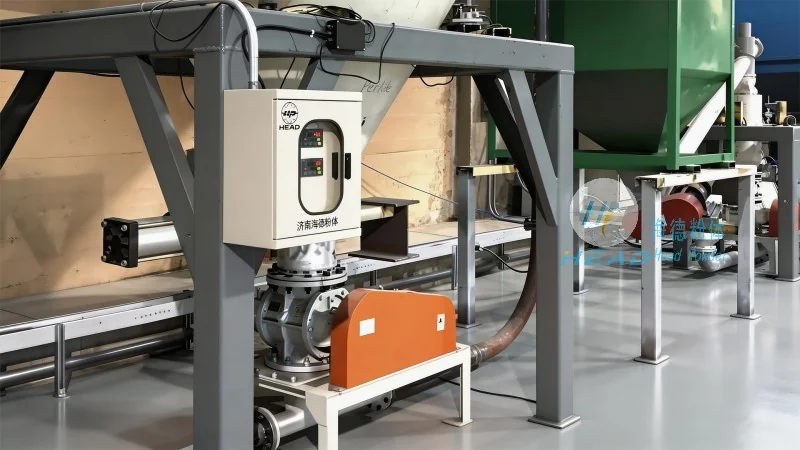
The entire conveying line is often integrated with a control system that monitors and regulates each component's operation. This system ensures that the production process runs smoothly, detects any deviations or malfunctions, and provides real-time data for quality control and process optimization. The use of advanced sensors and automation technologies enhances the line's efficiency and reliability, making it suitable for high-volume battery production.
Design Principles and Considerations for the Conveying Line
The design of a lithium-ion battery positive electrode material conveying line is guided by several key principles to ensure optimal performance and safety. These principles include material compatibility, process efficiency, and environmental considerations. Material compatibility is crucial as the equipment must be resistant to the chemical properties of the materials being handled, such as acids or solvents. The use of corrosion-resistant materials like stainless steel or specialized coatings is common to protect the equipment from wear and degradation.
Process efficiency is another critical factor, as the conveying line is a bottleneck in many battery production facilities. The design aims to minimize material handling time, reduce energy consumption, and maximize throughput. This is achieved through the integration of automated controls, optimized conveyor speeds, and efficient dosing and mixing processes. The line is also designed to be flexible, allowing for easy adjustments to accommodate different material compositions or production volumes.
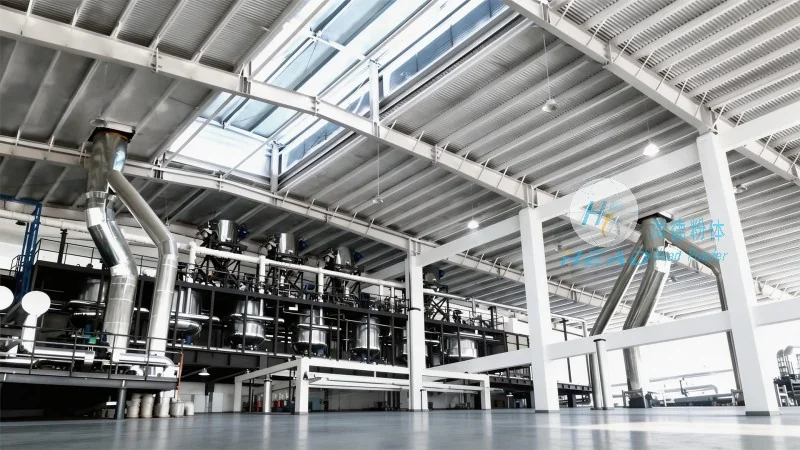
Environmental considerations are increasingly important in modern manufacturing. The conveying line is designed to minimize waste and emissions, with features like dust collection systems and solvent recovery units. These measures not only comply with environmental regulations but also contribute to sustainable production practices. The overall design emphasizes safety, with features such as emergency stop buttons, material containment systems, and proper ventilation to protect operators and the environment.
Role of Shandong HeadPowder Engineering Co., Ltd. in Conveying Line Solutions
Shandong HeadPowder Engineering Co., Ltd., commonly known as HeadPowder, is a leading provider of specialized equipment and systems for the battery material processing industry. With a strong focus on innovation and customer-centric solutions, HeadPowder has developed advanced conveying lines tailored to the specific needs of lithium-ion battery manufacturers. The company's expertise lies in integrating various components into a cohesive system that meets the stringent requirements of the industry.
HeadPowder's conveying lines are designed with precision and reliability in mind, incorporating the latest technologies and materials to ensure optimal performance. The company's engineers work closely with clients to understand their production processes and material characteristics, providing customized solutions that enhance efficiency and quality. The company's facilities in Shandong, China, enable it to leverage local resources and expertise while maintaining high standards of quality and service.
By focusing on the design principles outlined above, HeadPowder's conveying lines contribute to the overall success of battery production facilities. The company's commitment to excellence and innovation has made it a trusted partner in the battery industry, helping manufacturers meet the growing demand for high-performance lithium-ion batteries.




