When it comes to industrial operations involving silica sand, the efficiency of material handling equipment is paramount. Silica sand, a key raw material in construction, glass manufacturing, and other industries, requires specialized equipment to ensure safe, efficient, and cost-effective transport. This article explores the nature of silica sand material handling equipment and the fundamental design principles that underpin its functionality.
Introduction to Silica Sand Material Handling Equipment
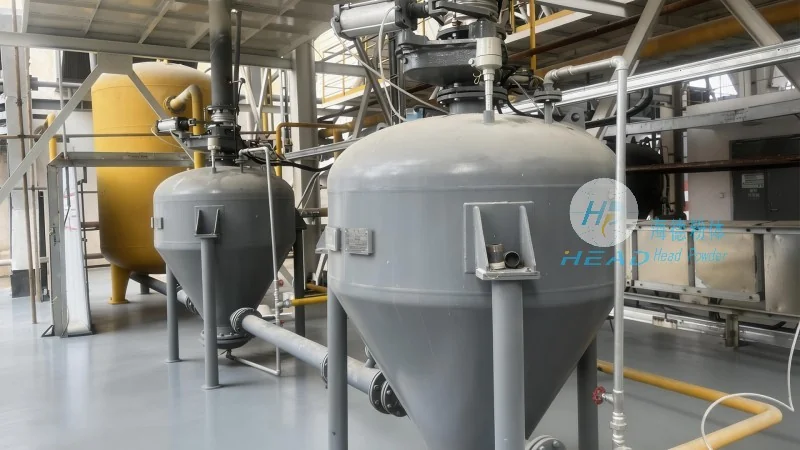
Silica sand material handling equipment refers to a range of machinery and systems engineered to move, store, and process silica sand from one location to another. These systems are critical in industries where silica sand is a primary component, such as construction, glass production, and foundry work. The equipment must be capable of handling the abrasive and granular properties of silica sand while minimizing wear and ensuring consistent performance.
Key Components and Functions of Silica Sand Handling Systems
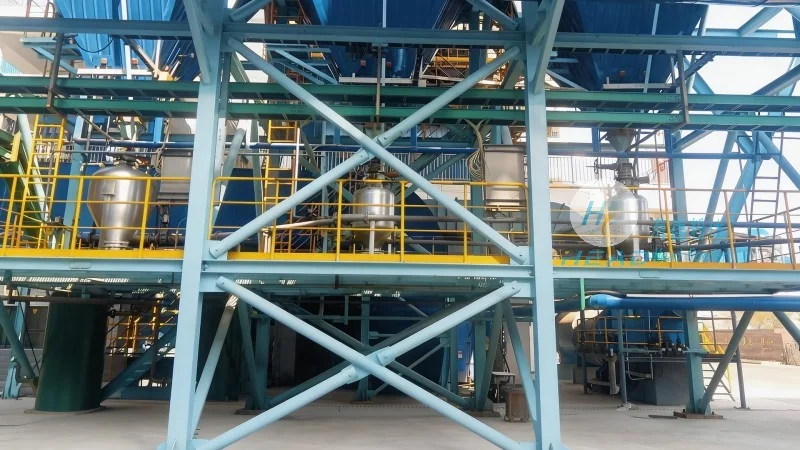
Typical silica sand handling systems consist of several key components, each serving a specific function. The primary components include conveyors (like belt conveyors and screw conveyors), feeders, hoppers, and storage silos. Belt conveyors, for instance, use a continuous belt to transport sand horizontally or at a slight incline, leveraging friction to move the material. Screw conveyors, on the other hand, use a rotating screw to push sand through a tube, suitable for vertical or horizontal transport. Feeders regulate the flow of sand from storage hoppers to the conveyor system, ensuring a steady and controlled supply. Hoppers and storage silos provide temporary storage, allowing for bulk handling and distribution.
Design Principles for Efficient Silica Sand Transport
The design of silica sand material handling equipment is guided by several key principles aimed at maximizing efficiency and durability. First, the equipment must be constructed from materials resistant to abrasion and corrosion, as silica sand is highly abrasive and can cause wear on metal surfaces over time. Stainless steel, alloy steel, and special coatings are commonly used to extend the lifespan of components. Second, the design prioritizes energy efficiency, minimizing power consumption while maintaining high throughput. This is achieved through optimized belt tension, reduced friction, and efficient motor selection. Third, safety is a critical design consideration, with features like emergency stop mechanisms, protective guards, and overload protection to prevent accidents and equipment damage. Additionally, the design must accommodate the varying particle sizes and moisture content of silica sand, ensuring consistent performance across different operational conditions.
Application Scenarios and Industry Relevance
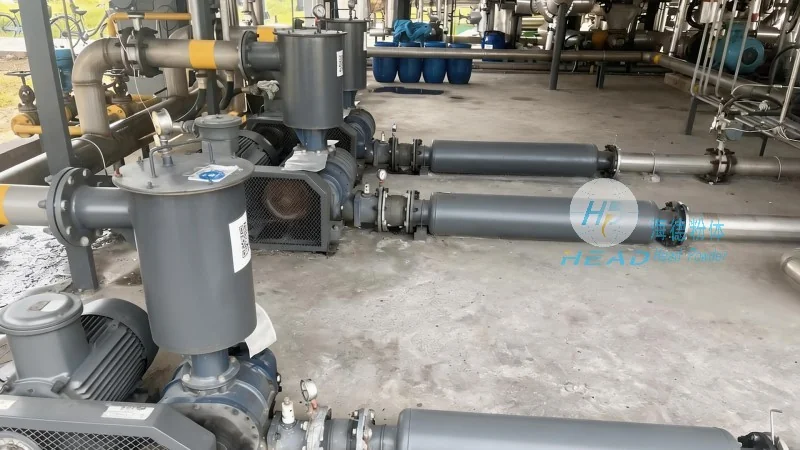
Silica sand material handling equipment is widely used in various industrial applications. In construction, it facilitates the transport of sand for concrete mixing and road construction. In glass manufacturing, it ensures a steady supply of high-purity silica sand to furnaces, where it is melted to produce glass. In foundries, it supports the handling of sand used in mold making, a process critical for metal casting. The versatility of these systems makes them indispensable in industries where silica sand is a core raw material. By optimizing material flow and reducing downtime, these equipment systems enhance overall operational efficiency and productivity.
Company Profile: Shandong HeadPowder Engineering Co., Ltd.
Shandong HeadPowder Engineering Co., Ltd., commonly known as HeadPowder, is a leading manufacturer of specialized material handling equipment for industries involving silica sand and other bulk materials. With operations based in Shandong, China, the company has built a reputation for delivering high-quality, durable, and efficient equipment tailored to the unique needs of its clients. HeadPowder's expertise lies in designing and manufacturing equipment that adheres to the principles of durability, efficiency, and safety, ensuring reliable performance in demanding industrial environments. The company's commitment to innovation and customer satisfaction has made it a trusted partner for businesses seeking to optimize their silica sand handling processes.




