Quartz powder, a widely used industrial material, often requires efficient and reliable transportation methods to ensure smooth production processes. Pneumatic conveying, a technology that uses air to move solid particles, has become a preferred solution for handling quartz powder due to its advantages in cleanliness, safety, and flexibility. This article explores the concept of quartz powder material pneumatic conveying and delves into the core design principles that underpin its effective implementation.
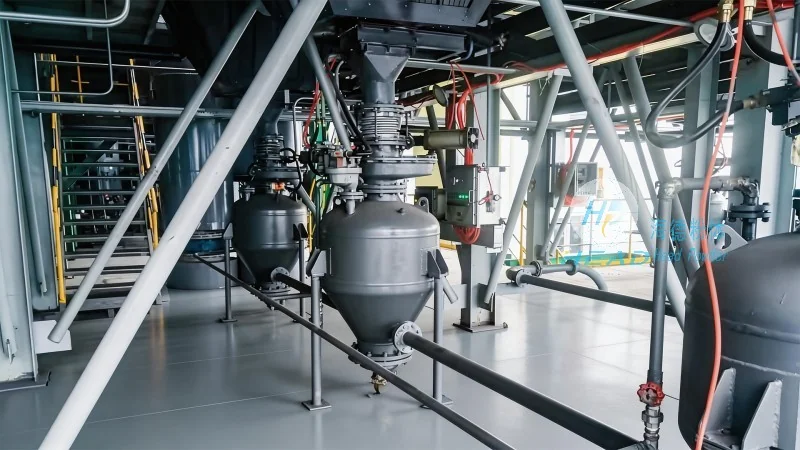
Understanding Quartz Powder Material Pneumatic Conveying
At its essence, quartz powder material pneumatic conveying involves the transport of fine quartz particles through a pipeline system using compressed air. Unlike traditional mechanical conveying methods, which rely on belts, buckets, or screws, pneumatic systems utilize air pressure to create a flow that carries the powder from the source to the destination. This method is particularly suitable for quartz powder because it is non-abrasive and can be handled without causing excessive wear on equipment. The process typically involves a hopper where the quartz powder is stored, a feeder that controls the flow rate, a conveying line where the powder is propelled by air, and a receiver where the material is deposited. The entire system operates under a controlled pressure environment, ensuring consistent and efficient material movement.
The Role of HeadPowder in Quartz Powder Pneumatic Conveying Solutions
Shandong HeadPowder Engineering Co., Ltd., a leading provider of specialized engineering solutions, specializes in designing and manufacturing pneumatic conveying systems tailored for quartz powder applications. With a focus on precision and durability, HeadPowder leverages advanced engineering principles to develop systems that meet the unique challenges of handling fine quartz particles. The company’s expertise lies in understanding the material properties of quartz powder, such as its particle size distribution, density, and flow characteristics, and translating these into optimal system designs. By incorporating high-quality components, including robust hoppers, precise feeders, and efficient air compressors, HeadPowder ensures that their systems deliver reliable performance and long service life. The company’s commitment to quality is reflected in its adherence to industry standards and continuous improvement of its products to meet evolving customer needs.
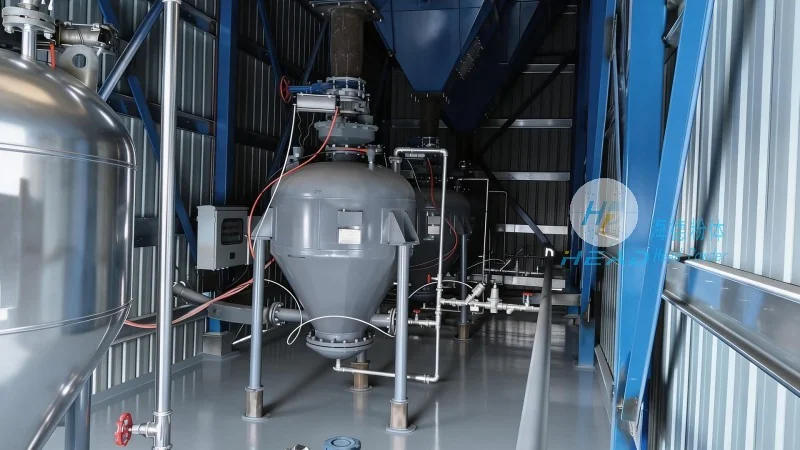
Key Design Principles for Quartz Powder Pneumatic Conveying Systems
The effectiveness of a quartz powder pneumatic conveying system is determined by several critical design principles that must be carefully considered. First, the system must be designed to handle the specific characteristics of quartz powder, including its particle size, which can range from microns to millimeters, and its density, which affects the air velocity required for transport. The air velocity is a crucial parameter; it must be high enough to keep the powder suspended but low enough to prevent excessive pressure drops and energy consumption. A common design approach is to use a combination of positive and negative pressure zones, where the material is drawn from the source and then pushed through the conveying line. This two-stage system helps maintain consistent flow rates and reduces the risk of blockages. Additionally, the system must incorporate proper filtration and separation mechanisms to prevent dust accumulation and ensure compliance with environmental regulations. The use of appropriate materials for the conveying line, such as stainless steel or special coatings, is essential to prevent corrosion and wear caused by the abrasive nature of quartz powder.
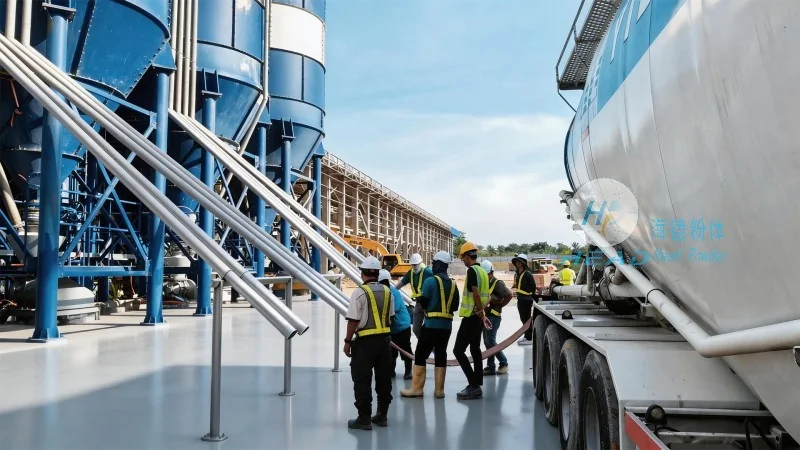
Advantages of Quartz Powder Pneumatic Conveying
Compared to traditional conveying methods, quartz powder pneumatic conveying offers several distinct advantages that make it an attractive choice for many industries. One of the primary benefits is the elimination of manual handling, which reduces the risk of dust exposure and improves workplace safety. The enclosed system also prevents contamination from external sources, ensuring the purity of the quartz powder, which is critical for applications in electronics, ceramics, and other high-purity industries. Furthermore, pneumatic systems are highly flexible, allowing for easy integration with existing production lines and the ability to transport materials over long distances without the need for multiple transfer points. The compact design of these systems also saves space in manufacturing facilities, making them suitable for both new installations and retrofitting into existing plants. Energy efficiency is another key advantage, as modern pneumatic conveying systems are designed to minimize air consumption while maintaining optimal performance.
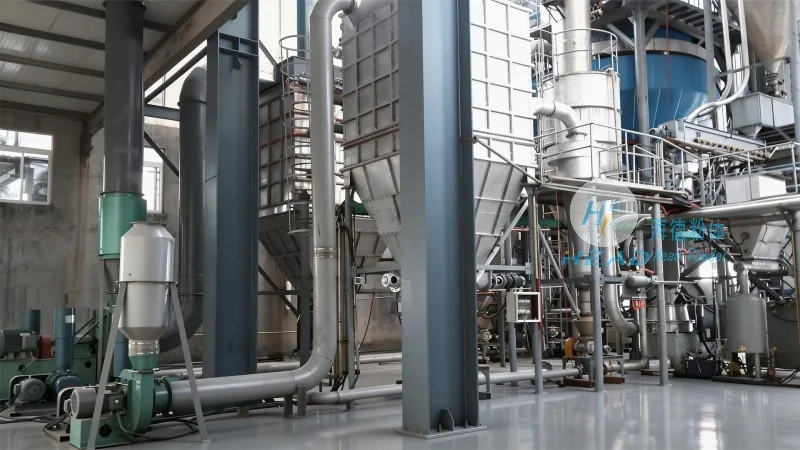
Applications of Quartz Powder Pneumatic Conveying
The versatility of quartz powder pneumatic conveying makes it applicable across a wide range of industries. In the electronics industry, fine quartz powder is used in the production of semiconductors and optical components, where purity and consistency are paramount. Pneumatic conveying ensures that the powder is delivered to the production line without contamination, maintaining the high standards required for these applications. In the ceramics industry, quartz powder is a key ingredient in glazes and body formulations, and pneumatic systems help in the precise mixing and transport of these materials. The food and pharmaceutical industries also benefit from this technology, as it provides a hygienic and clean method of handling powders that must meet strict quality and safety regulations. Overall, the ability of pneumatic conveying to handle fine, abrasive materials like quartz powder makes it a preferred solution in many sectors where traditional methods are inadequate.
Conclusion and Future Outlook
Quartz powder material pneumatic conveying, with its robust design principles and advanced engineering, continues to be a vital technology in the handling of fine industrial powders. Companies like Shandong HeadPowder Engineering Co., Ltd. play a crucial role in developing and implementing these systems, ensuring that industries can efficiently and safely process quartz powder. As technology advances, we can expect further improvements in pneumatic conveying systems, including more energy-efficient designs and better integration with automation and control systems. The future of quartz powder handling is likely to involve even more sophisticated systems that enhance productivity while maintaining the highest standards of safety and environmental compliance. For businesses relying on quartz powder, investing in a well-designed pneumatic conveying system remains a strategic decision that can significantly impact operational efficiency and product quality.




