Ferric sulfate, a key chemical compound widely used in water treatment, industrial processes, and other applications, often requires efficient material handling solutions for safe and effective transport. Pneumatic conveying emerges as a sophisticated method to address these needs, offering a reliable approach to move ferric sulfate from one location to another. This article delves into the concept of pneumatic conveying for ferric sulfate and explores the underlying design principles that make such systems effective.
Understanding Pneumatic Conveying Systems
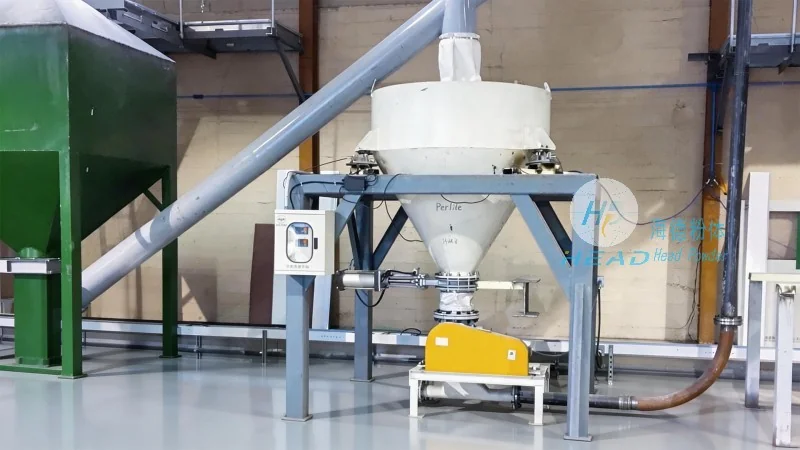
Pneumatic conveying involves the use of air or other gases to transport bulk materials through a pipeline system. Unlike traditional methods like belt conveyors or bucket elevators, pneumatic conveying provides a closed-loop environment that minimizes dust emissions, reduces material degradation, and enhances safety. For ferric sulfate, which can be hygroscopic and prone to dust generation, this method is particularly advantageous. The system typically consists of a material feed hopper, a conveyor line, and a discharge point, all connected by a network of pipes. The air flow, controlled by a blower or compressor, creates a pressure differential that propels the material through the system.
Key Design Principles for Ferric Sulfate Pneumatic Conveying
The success of a pneumatic conveying system for ferric sulfate hinges on several critical design principles. First, the material's physical properties, such as particle size, density, and flowability, must be carefully considered. Ferric sulfate particles are often fine and can agglomerate, which affects the air velocity required for transport. Engineers must calculate the appropriate air velocity to ensure particles are fully entrained without excessive pressure drop or energy consumption. Second, the system's pressure and flow rates are crucial. High-pressure systems are suitable for long-distance or high-resistance applications, while low-pressure systems are ideal for shorter distances or less demanding tasks. The choice of pressure depends on the pipeline length, material characteristics, and the desired discharge velocity. Third, the design must account for the material's hygroscopic nature. Ferric sulfate can absorb moisture from the air, leading to caking or blockages. Therefore, the system may include drying or moisture control measures to maintain material flowability. Additionally, the pipeline material and internal surfaces need to be selected to prevent corrosion or material buildup, as ferric sulfate can be corrosive and sticky under certain conditions.
Components and Operation of a Ferric Sulfate Pneumatic Conveying System
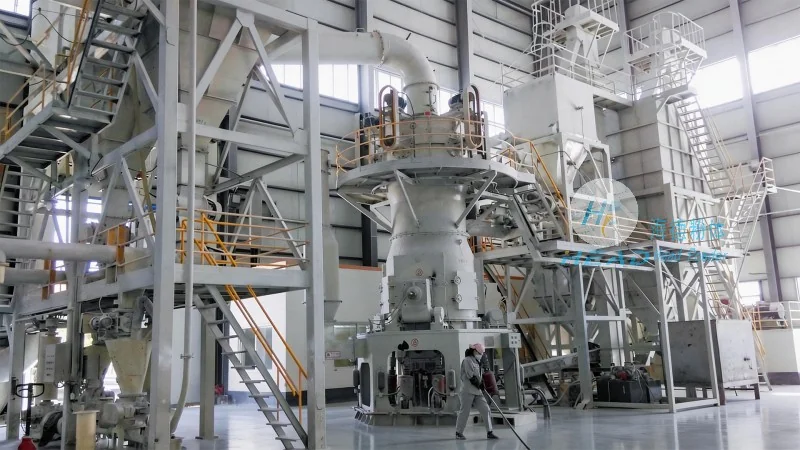
A typical ferric sulfate pneumatic conveying system comprises several key components. The material is fed into a hopper equipped with a feeder, such as a rotary valve or a screw feeder, which controls the flow rate. The feeder ensures a consistent material supply to the conveyor line. The conveyor line itself is made of durable materials like stainless steel or plastic, chosen to resist corrosion from ferric sulfate. A blower or compressor generates the necessary air pressure, which is introduced into the system at the inlet. The air flows through the pipeline, carrying the ferric sulfate particles to the discharge point. At the discharge end, a receiver or cyclone separator separates the material from the air, allowing the ferric sulfate to be collected in a storage bin or processing equipment. The separated air is then filtered and returned to the system or vented to the atmosphere, depending on the system design and environmental regulations.
Advantages of Pneumatic Conveying for Ferric Sulfate
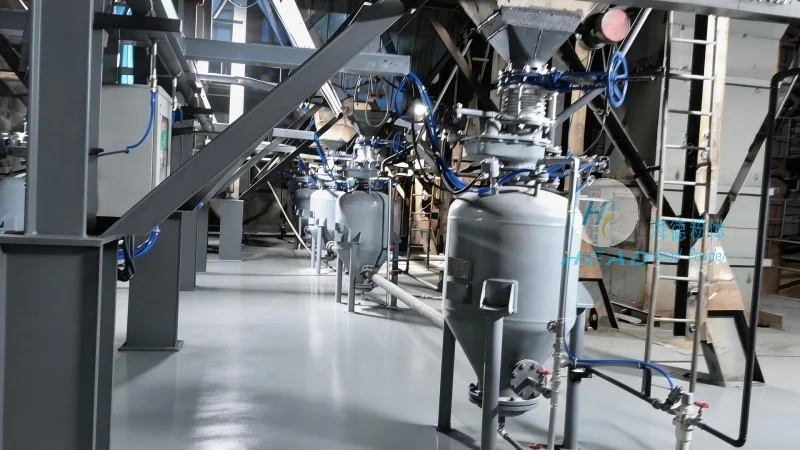
Pneumatic conveying offers several advantages when handling ferric sulfate. Firstly, it provides a dust-free environment, which is critical for maintaining workplace safety and compliance with environmental regulations. Unlike open systems, pneumatic conveying minimizes the release of fine particles into the air, reducing the risk of respiratory issues for workers and preventing contamination of the material. Secondly, the closed-loop system enhances material integrity. Ferric sulfate is sensitive to moisture and can degrade if exposed to air for extended periods. Pneumatic conveying keeps the material enclosed, protecting it from atmospheric conditions and ensuring consistent quality. Thirdly, the system allows for flexible and compact installation. Pneumatic conveying lines can be routed around obstacles and installed in tight spaces, making it suitable for facilities with limited floor space. Additionally, the system can be easily integrated with other processing equipment, such as mixers or reactors, enabling seamless material transfer from one stage to another. Finally, the energy efficiency of modern pneumatic conveying systems has improved significantly, reducing operational costs compared to traditional methods.
Considerations for System Design and Maintenance
Designing and maintaining a pneumatic conveying system for ferric sulfate requires careful attention to detail. Engineers must conduct thorough material testing to determine the optimal air velocity and pressure. This involves analyzing particle size distribution, density, and flowability to ensure the system operates efficiently without excessive energy consumption or pressure drop. Regular maintenance is also essential to prevent system failures. Components such as the blower, feeder, and pipeline should be inspected regularly for wear and tear. The feeder, in particular, may require cleaning to prevent material buildup, which can affect flow rates. Additionally, the system's filtration and separation components need to be maintained to ensure efficient material recovery and air quality. Corrosion protection is another critical aspect, as ferric sulfate can be corrosive to certain materials. Using stainless steel or other corrosion-resistant materials for the pipeline and components helps extend the system's lifespan and reduce maintenance costs.




