

What is a Limestone Material Pneumatic Conveying System? What are the Design Principles?
When it comes to transporting limestone materials efficiently and safely, pneumatic conveying systems have emerged as a reliable solution in industrial applications. These systems utilize air or gas to move bulk materials like limestone from one location to another, offering advantages such as reduced labor costs, minimized material degradation, and enhanced safety compared to traditional methods like belt conveyors or trucks. Understanding the fundamentals of limestone material pneumatic conveying systems, including their design principles, is crucial for optimizing material handling processes in various industries, including mining, construction, and chemical manufacturing.
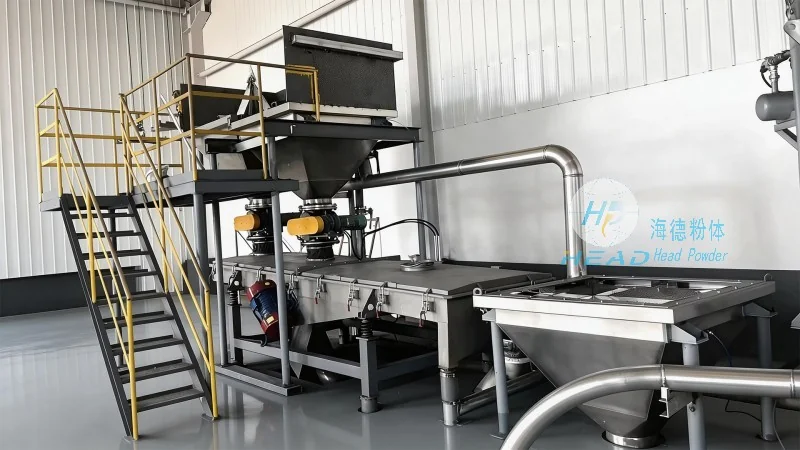
Introduction to Limestone Material Pneumatic Conveying Systems
Limestone, a widely used natural resource, is often required to be transported over long distances or within complex industrial facilities. Pneumatic conveying systems provide an effective means to achieve this by converting the material into a suspended state using air pressure. The system typically consists of a source of material, a conveying line, and a destination point, with air being introduced to create a flow that carries the limestone particles. This method is particularly beneficial for handling limestone that may be dusty or prone to caking, as the enclosed system prevents environmental contamination and ensures consistent material flow.
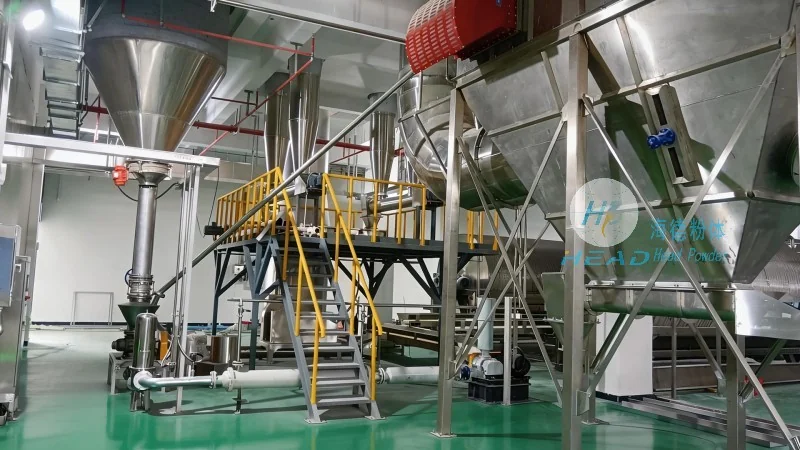
Understanding the Core Components of Pneumatic Conveying Systems
At the heart of any limestone material pneumatic conveying system are several key components that work in tandem to ensure efficient operation. These include the material feed hopper, which holds the limestone and regulates the flow into the system; the air compressor or blower, which generates the necessary air pressure to move the material; the conveying line, which can be either positive or negative pressure, depending on the application; and the discharge equipment, which delivers the limestone to its final destination. Additionally, components like filters, cyclones, and silos are often integrated to manage dust, separate air from material, and store the limestone for further processing. Each component plays a critical role in maintaining the system's performance and ensuring the safe handling of limestone materials.
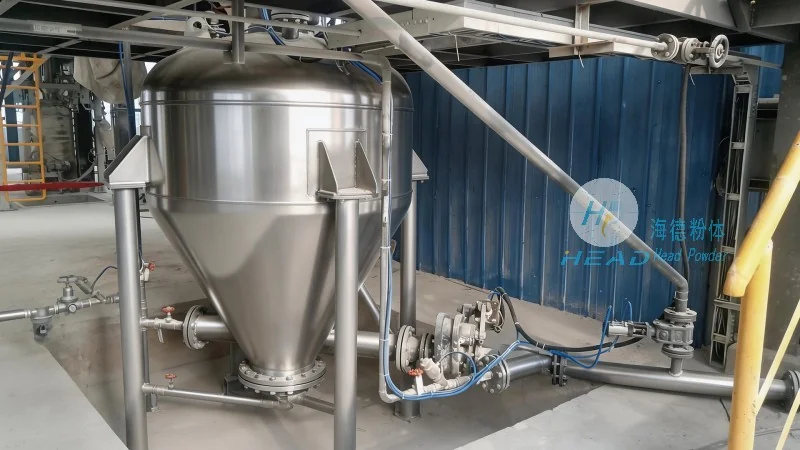
Design Principles for Efficient Limestone Material Transport
The design of a limestone material pneumatic conveying system is governed by several key principles aimed at maximizing efficiency, minimizing energy consumption, and ensuring long-term reliability. One of the primary design considerations is the material's properties, such as particle size, density, and moisture content, as these factors directly impact the air velocity required for effective conveying. Engineers must calculate the appropriate air velocity to prevent material settling or blockages in the conveying line, which can lead to system downtime. Another critical principle is the system's pressure and flow rate, as these parameters must be optimized to balance energy efficiency with material transport capacity. For limestone, which is often a dry, fine powder or coarse granules, the system design may incorporate features like pulse-jet technology or venturi systems to enhance material suspension and reduce friction losses. Furthermore, the system layout, including the length and diameter of the conveying line, the number of bends, and the elevation changes, must be carefully planned to minimize pressure drops and ensure smooth material flow. Proper design also involves considering the environmental impact, such as dust control measures, to comply with regulatory standards and maintain workplace safety.
The Role of HeadPowder in Engineering Pneumatic Conveying Solutions
Shandong HeadPowder Engineering Co., Ltd., commonly known as HeadPowder, is a leading provider of specialized engineering solutions for pneumatic conveying systems, including those designed for limestone material transport. With a strong focus on innovation and customer-centric design, HeadPowder leverages decades of industry experience to develop customized systems that meet the unique requirements of each client. The company's expertise lies in understanding the specific challenges of limestone handling, such as the material's abrasive nature or its tendency to form clumps, and designing systems that address these issues effectively. HeadPowder's engineers work closely with clients to assess their material handling needs, site conditions, and operational goals, then develop comprehensive solutions that incorporate the latest technology and best practices. The company's commitment to quality and reliability is reflected in its use of high-grade materials, rigorous testing protocols, and comprehensive after-sales support. By partnering with HeadPowder, industrial facilities can benefit from optimized limestone transport systems that enhance productivity, reduce operational costs, and ensure compliance with safety and environmental regulations.
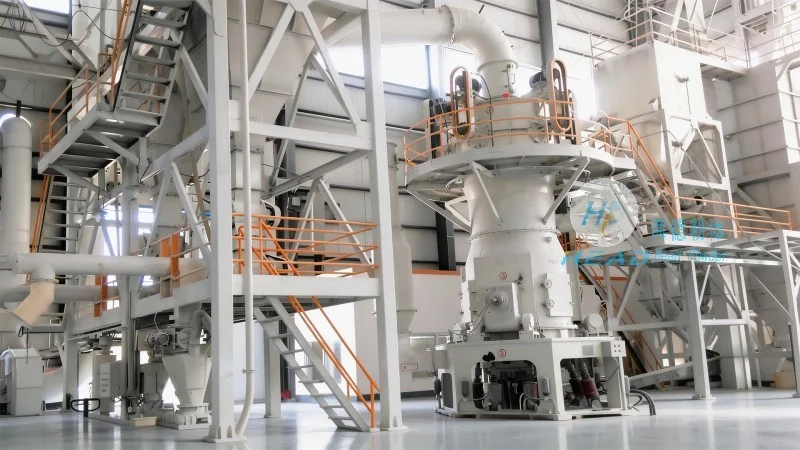
Key Considerations for System Integration and Performance
Integrating a limestone material pneumatic conveying system into an existing industrial facility requires careful planning and consideration of several factors to ensure optimal performance and longevity. One of the first steps is conducting a thorough site assessment to identify the system's operational constraints, such as available space, power supply, and material storage capabilities. This assessment helps engineers design a system that fits seamlessly into the existing infrastructure while maximizing efficiency. Another critical consideration is the system's compatibility with other equipment, such as silos, crushers, or processing units, as the conveying system must work in harmony with the entire material handling process. Proper integration also involves considering the system's maintenance requirements, including access points for cleaning and repairs, and the availability of spare parts. Regular maintenance is essential to prevent system failures and ensure consistent performance, and HeadPowder provides comprehensive maintenance services to support its clients. Additionally, monitoring the system's performance through sensors and data analysis can help identify potential issues early and optimize operational parameters for better efficiency. By addressing these key considerations, industrial facilities can achieve reliable and efficient limestone transport, reducing downtime and improving overall operational productivity.